Italian Eurofighters Intercept Two Russian Aircraft in First Baltic Alert Scramble
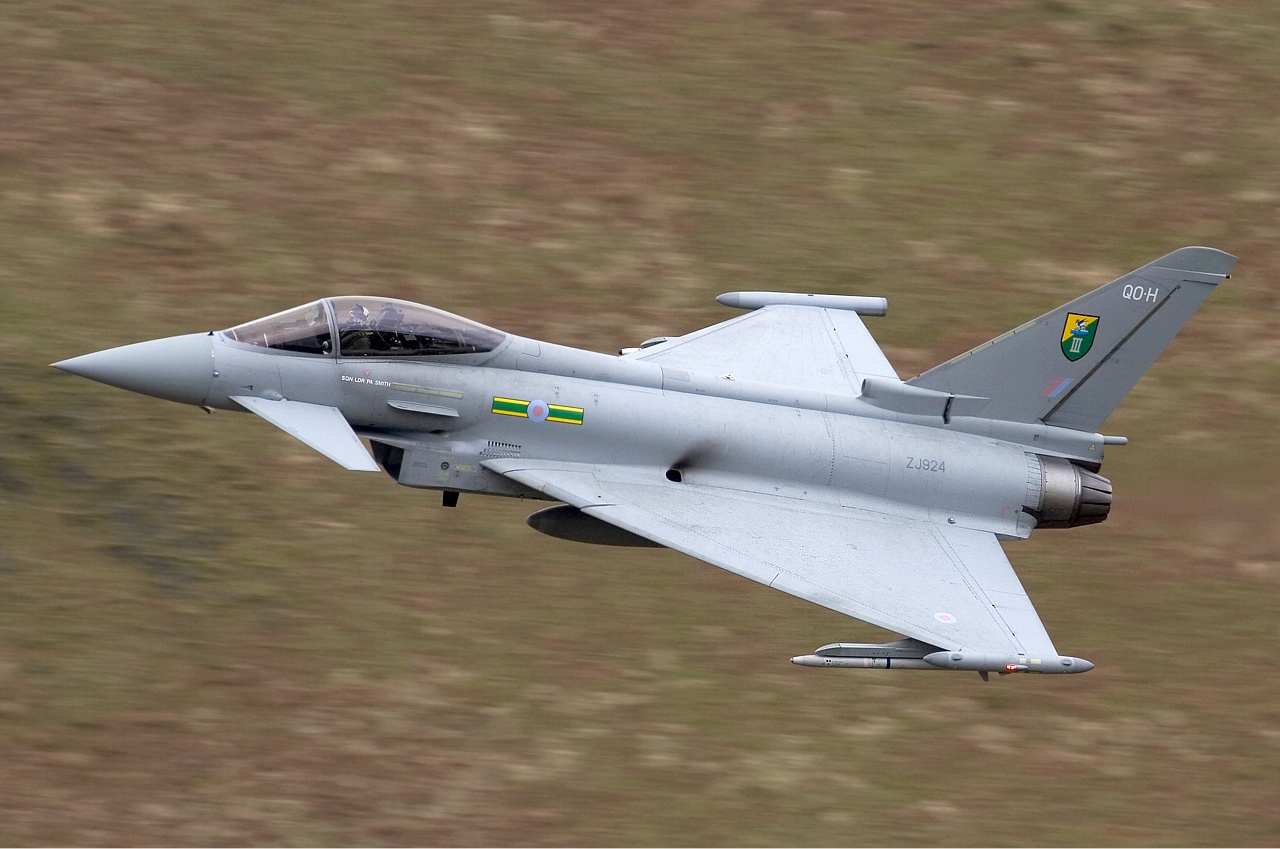
Two Italian Air Force Eurofighter Typhoons launched from Lithuania, identified two Russian military aircraft and escorted them over the Baltic Sea on August 3. The completed mission was the first operational NATO alert scramble of Italy’s current Baltic Thunder III deployment, according to the Italian Ministry of Defense.

The encounter remained in international airspace, and no violation of sovereign airspace was reported. Italy did not disclose the types or identities of the Russian aircraft, so the event should be understood as an identification-and-escort mission rather than combat.
The sequence began beyond the two fighters themselves. NATO’s surveillance network detected aircraft requiring identification, and the Combined Air Operations Center in Uedem, Germany, ordered the launch. The Italian jets then departed Šiauliai Air Base, reached the designated intercept area and positively identified the aircraft before escorting them under NATO procedures.
How the alert network turns surveillance into an intercept
Baltic Air Policing is built around centralized command and rotating national fighter detachments. Ground-based radar and other surveillance assets contribute to a shared air picture. A NATO operations center evaluates that picture and can order fighters into the air when an aircraft cannot be adequately identified or is not complying with normal aviation practices.
Russian military flights in the region may prompt an intercept when they operate without filed flight plans, active transponders or radio contact with civilian air traffic control. A flight in international airspace can still be legal under those conditions, but the missing identification and coordination information can create enough uncertainty for NATO to send fighters for a visual check.
That distinction matters in this case. The Eurofighters were used to resolve an identification problem and maintain escort coverage near NATO’s northeastern borders. Nothing in the disclosed account establishes an airspace breach or an engagement between the aircraft.
The Eurofighter F-2000 the Italian designation for the Eurofighter Typhoon connects to NATO’s command-and-control network through Link 16. At a high level, that data link allows the fighter crews to receive and share operational information assembled from radar, airborne warning aircraft and other participating fighters.
This does not eliminate the need for a close enough intercept to identify an aircraft. Instead, it helps the pilots arrive with a broader picture of the situation and remain connected to controllers as the mission develops. The practical capability is therefore a chain: surveillance detects and tracks, command authorities decide whether to launch, the data network distributes information, and the fighters provide airborne identification and escort.
A rotating mission with permanent alert requirements
NATO has maintained Baltic Air Policing since Estonia, Latvia and Lithuania joined the alliance in 2004. Because the three countries rely on allied fighter detachments for this coverage, participating air forces rotate aircraft and personnel through bases in the region.
Whatever fighter type is assigned, the alert requirement continues around the clock. Aircraft must remain armed, fueled and available for rapid launch, while pilots, maintainers, controllers and ground crews sustain the supporting readiness. That makes an operational scramble a test of more than aircraft performance: the deployed unit must move from standing alert through launch, identification and recovery within the larger NATO command structure.
The August 3 mission confirms that Italy’s current detachment can execute that assigned alert sequence. It does not, by itself, measure broader deterrence or prove full combat readiness across every mission set. Those conclusions would require evidence beyond one completed air-policing sortie.
The next meaningful measure will be whether the Italian detachment can sustain the same availability throughout its rotation. France, which preceded Italy at Šiauliai, reported nearly 40 operational alert scrambles and more than 540 flying hours across a four-month deployment. Italy’s first scramble is therefore an opening readiness milestone, while the longer engineering and maintenance test is keeping aircraft, crews and the NATO data-and-command connection available for the missions that follow.
By David Whitaker — Associate editor for AMI’s aerospace and drone systems desk, translating flight systems, aircraft programs, spaceflight, and UAV developments into accessible technical stories.