U.S. Missile Supplies Tighten While New Production Plants Remain in Development
Some U.S. missile inventories are tightening after more than five months of conflict with Iran, but the production capacity intended to refill them is not yet fully defined. President Donald Trump acknowledged on Aug. 6 that supplies of some munitions were “a little bit tighter” while saying other weapons remained available in virtually unlimited quantities.

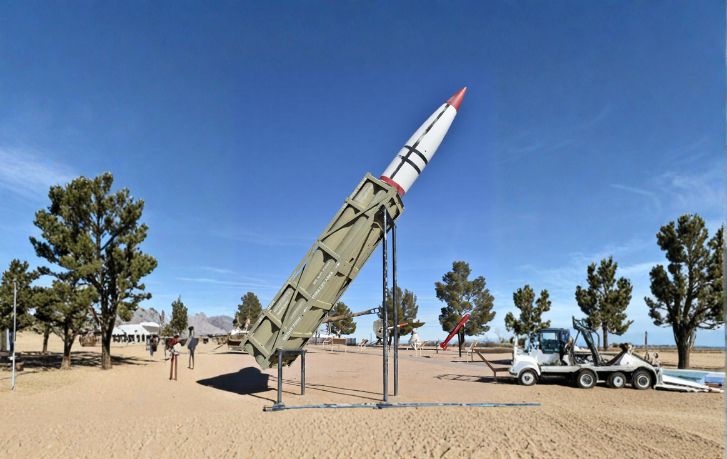
The immediate concern involves two Army long-range weapons. A Reuters report published Aug. 4, citing people familiar with inventory data, said the United States had consumed “virtually all” of its available Army Tactical Missile Systems and Precision Strike Missiles. Those figures have not been officially disclosed or independently confirmed, so the exact inventory and readiness effect remain uncertain.
ATACMS and the newer PrSM are both ground-launched, long-range precision weapons costing more than $1 million each. They belong to the same broad Army strike mission, but they should not be treated as interchangeable inventory entries. PrSM is a newer program, while ATACMS has an established production and operational history and has also been supplied to Ukraine.
No public figures accompanying the latest statements establish how many of either missile remain, how many were expended, what the Army considers its minimum readiness requirement or how quickly replacements can arrive. Without those numbers, “virtually all” is a serious attributed claim rather than a complete readiness assessment.
New plants do not mean immediate missile deliveries
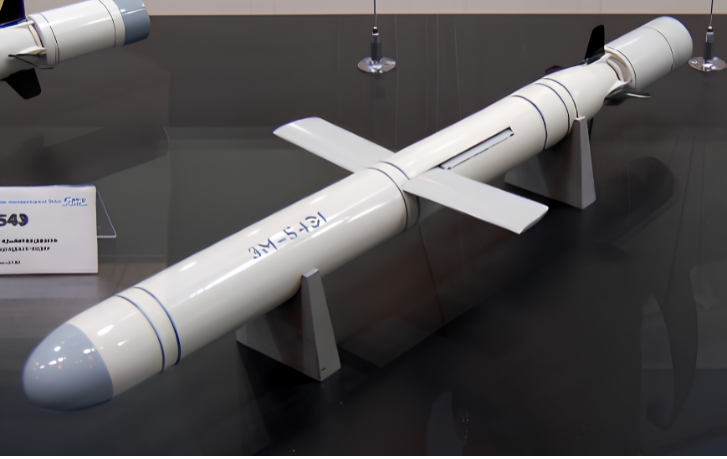
Trump said defense companies were establishing additional production plants, including facilities supporting Patriot and Tomahawk missiles. The announcement did not identify the companies, locations, opening dates, investment amounts or expected output. It also did not establish that Patriot and Tomahawk inventories face the same reported level of depletion as ATACMS and PrSM.
That distinction matters because these are separate missile families with different missions, manufacturers, components and production arrangements. Expanding capacity for one program cannot be assumed to refill another. A new building also does not become useful production capacity until its tooling, suppliers, workforce and quality processes are ready to deliver accepted hardware.
Separate Pentagon initiatives provide a clearer view of some expansion goals. The Defense Department has announced framework agreements intended to triple production capacity for Patriot Advanced Capability-3 Missile Segment Enhancement interceptors and quadruple capacity for Terminal High Altitude Area Defense interceptors. Those plans include a second source for Patriot solid rocket motors, more ignition-safety-device production and additional capacity for structural components.
This supplier-level work is significant because final missile assembly is only one part of the manufacturing chain. Motor availability, specialized components, tooling and qualified labor can constrain output even when a prime contractor has additional floor space. The Pentagon has said it intends to work directly with key suppliers while encouraging investment in facility modernization and workforce development.
Tomahawk production has a more concrete stated objective under separate framework agreements with Raytheon. Those agreements, which can run for as long as seven years, target annual Tomahawk output of more than 1,000 missiles. That is a capacity goal rather than proof that the line has already reached that rate, and no direct connection has been established between that framework and the unspecified new plants mentioned on Aug. 6.
The missing measure is delivery timing
The Pentagon also asked defense companies in an Aug. 5 memo to submit plans within 21 days for faster delivery schedules and increased production of critical systems. That request indicates that procurement officials are looking beyond contract values toward the rate at which usable weapons can reach military inventories.
For readiness, that delivery curve is more important than the number of plants announced. Contracts and framework agreements can provide the sustained demand that manufacturers need before investing in equipment and suppliers, but they do not erase the time required to install tooling, qualify components, train workers and raise output without compromising acceptance standards.
The available information therefore supports a narrow but consequential conclusion: Army long-range missile supplies are reportedly under severe pressure, while broader U.S. missile-production expansion is still moving through contracting, supplier development and factory buildup. The next meaningful milestone will not be another plant announcement, but disclosed production targets and delivery schedules showing when additional missiles begin reaching operational inventories.
By David Whitaker — Associate editor for AMI’s aerospace and drone systems desk, translating flight systems, aircraft programs, spaceflight, and UAV developments into accessible technical stories.