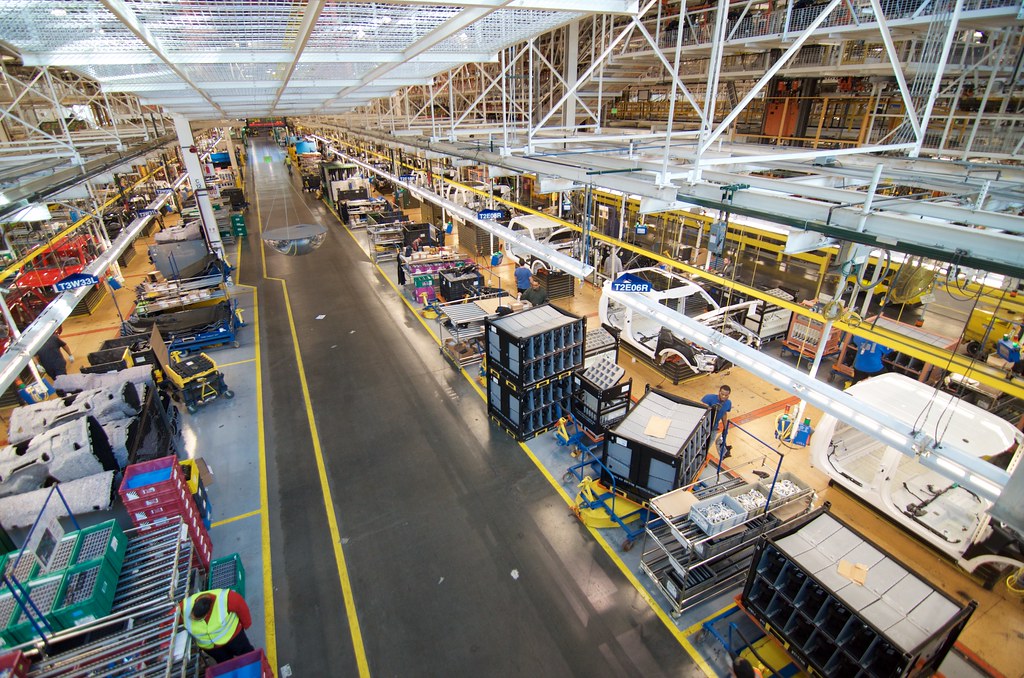
Ford Rebuilds Louisville Around Three-Way Parallel Assembly for Electric Pickup
Ford’s next electric pickup will not begin as one body moving through a conventional sequence of workstations. Under the company’s new manufacturing plan, its front section, rear section and structural battery floor will move through three parallel branches. Most components will be installed before those branches converge and the major modules are joined.

That assembly-tree concept is now shaping a physical overhaul of Ford’s Louisville Assembly Plant. The factory has been gutted and is receiving purpose-built equipment for the Universal EV Production System, which will manufacture the planned Fathom midsize electric pickup. Ford expects prototype builds using production-qualified parts to begin in the first quarter of 2027, followed by customer deliveries later that year.
The vehicle architecture enables the factory layout
Parallel assembly only works if each branch is sufficiently complete and structurally stable before final joining. Ford plans to achieve that with large aluminum unicastings at the front and rear, plus a battery assembly that doubles as the vehicle floor.
Each unicasting replaces dozens of smaller stamped and welded pieces. Beyond reducing the part count, the large castings allow the front and rear modules to support component installation without first being welded into a complete body shell. Seats, consoles and carpeting can meanwhile be installed on the battery floor while it remains accessible as a separate module.
The modules are joined after most of this work is complete. That changes the order of assembly rather than merely accelerating a conventional line. More operators can work on the vehicle concurrently, and they can approach components directly instead of reaching through doors or over finished body structures.
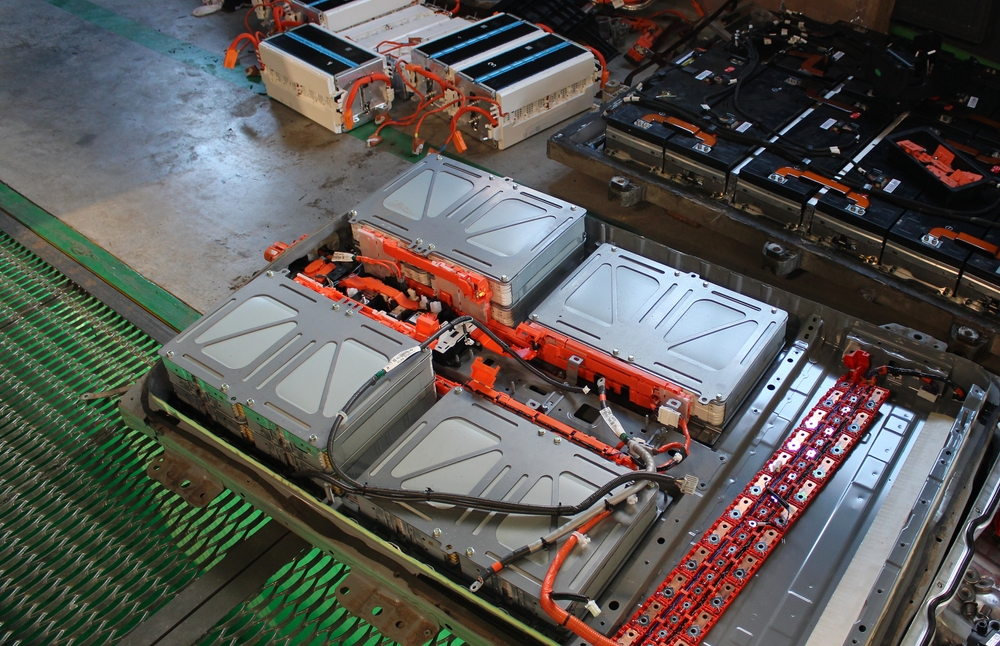
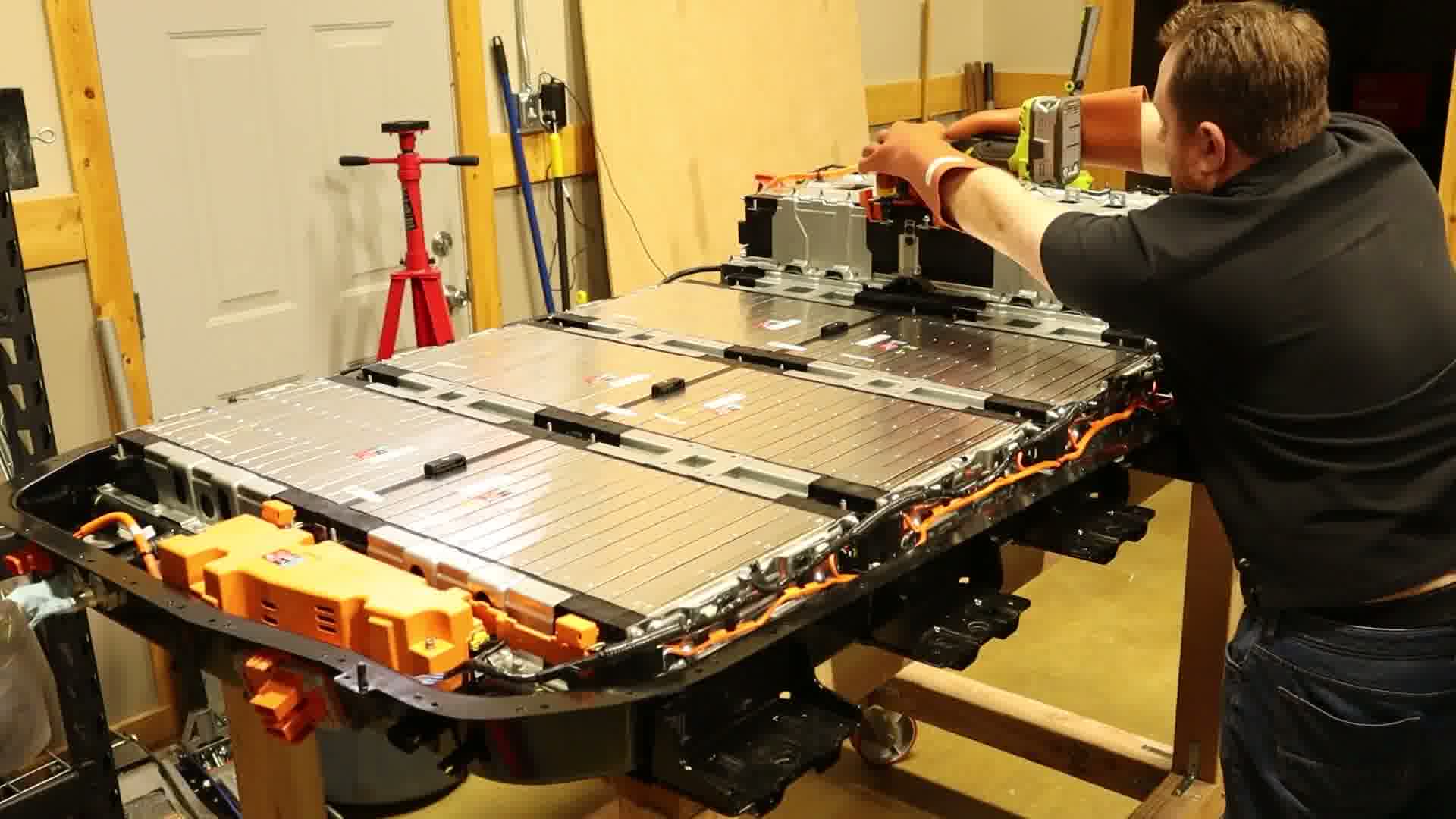
The battery’s role is equally important. Because it serves as the floor and contributes structural stability, it becomes both an energy-storage system and a manufacturing fixture for interior installation. This integration can eliminate intermediate structures and handling steps, but it also makes the product architecture and production system tightly interdependent. A major design change to the battery floor or either casting could therefore require corresponding changes to equipment and joining operations.
Shorter wiring addresses installation complexity
Ford is also reducing the amount of material that operators must route through the pickup. Chief Manufacturing Officer Bryce Currie said its wiring harness is more than 4,000 feet shorter and 22 pounds lighter than the harness in Ford’s first-generation electric SUV.
Those figures do not by themselves establish vehicle-level reliability, but they identify a practical assembly advantage. Less wire means less material to position, secure and protect inside the vehicle. It can also reduce installation handling and the number of packaging conflicts workers must manage as electrical systems pass between body sections.
Operator access is another stated objective. Louisville employees are providing feedback while Ford installs the new lines, and Currie said the work was designed around tasks operators dislike. Ford projects an 84% reduction in reaching over the fender, along with less twisting, turning and bending. Installing seats and dashboard components before the body is fully closed should provide a direct ergonomic benefit, although the 84% figure remains a company projection until production operations can be measured.
Ford’s speed claims still need production validation
Ford says the assembly tree will build the Fathom 40% faster than the Louisville plant’s current products. The company plans to reinvest part of that gross time advantage in insourcing and automation, producing a claimed net assembly-time improvement of 15%. Ford also expects Louisville to have the highest level of final-assembly automation among its plants.
These targets should be read as manufacturing objectives rather than demonstrated results. Large castings reduce the number of stamped parts and welds, but they also concentrate more functions into fewer components. Consistent casting quality, dimensional control at the three-module joining point and coordinated material flow across parallel branches will all matter once line-rate builds begin.
The architecture also changes the consequences of disruption. A sequential line exposes the vehicle to one primary flow of work; a three-branch system must deliver its front, rear and battery modules to the joining operation in the correct sequence and condition. The potential gain is concurrent work and better access. The production challenge is keeping those branches synchronized without allowing one to constrain the other two.
Ford’s first meaningful test arrives in the first quarter of 2027, when Louisville is scheduled to begin prototype builds with production-qualified parts. Those vehicles will show whether the combination of unicastings, a structural battery floor and parallel module assembly can move from an engineered factory layout to a repeatable U.S. production process.
By Robert McKinney — Editor-in-Chief for AMI’s automotive and mobility coverage, with a mechanical engineering background and a decade reporting on powertrain systems, EV innovation, and global vehicle manufacturing.