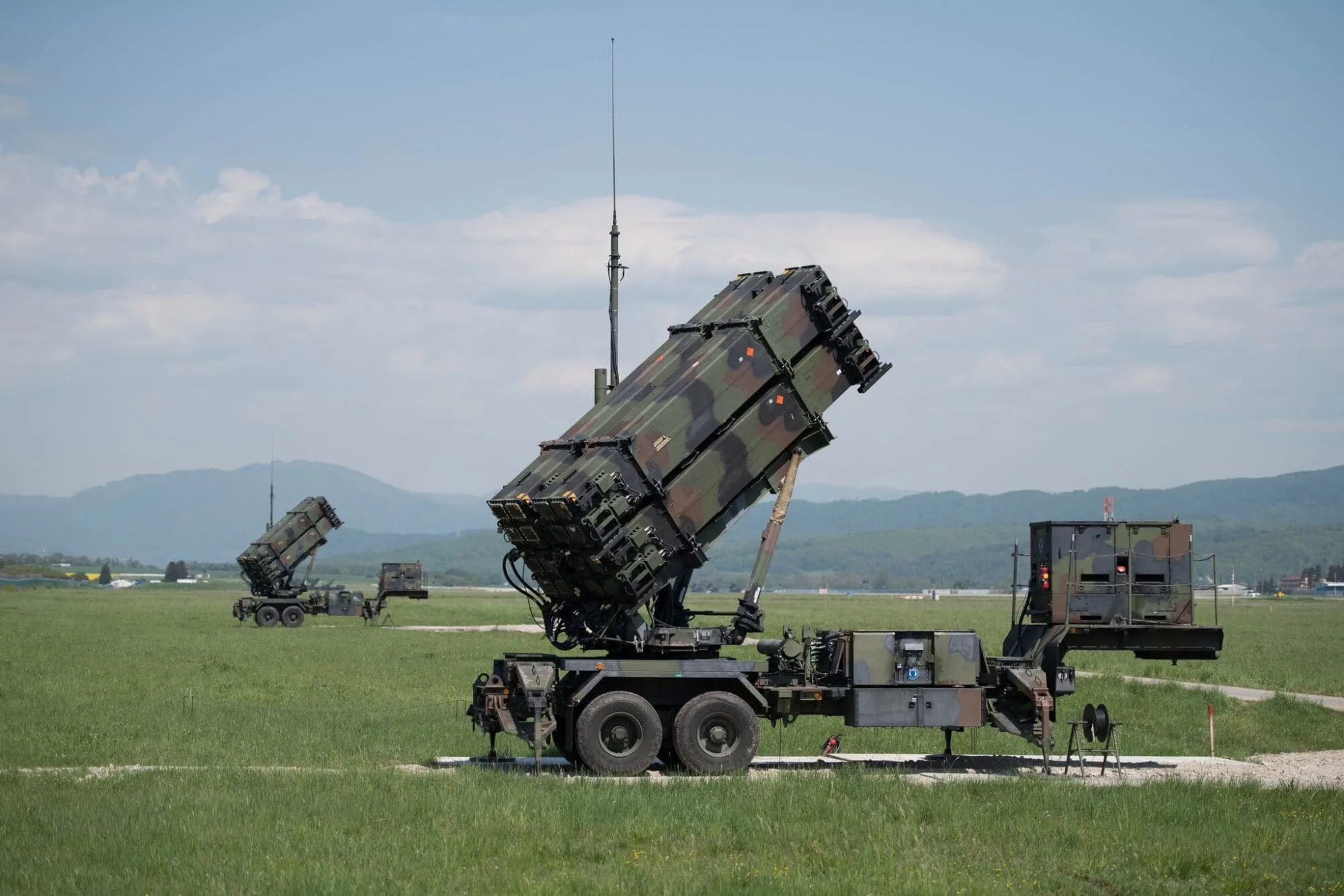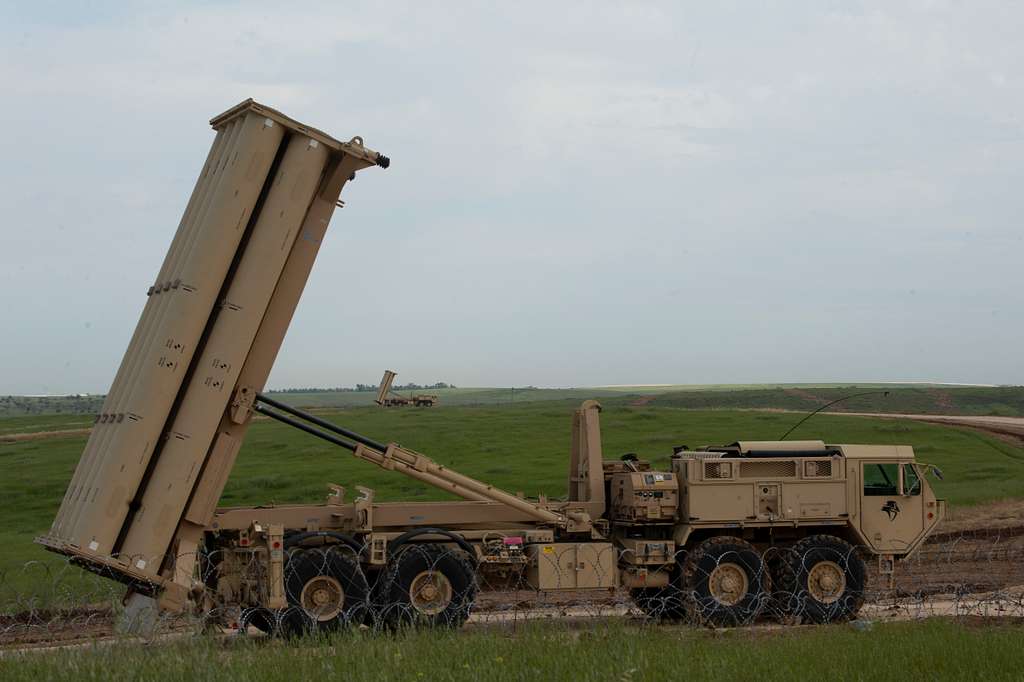
Lockheed Martin Plans to Raise High-Altitude Interceptor Output From 96 to 400
Four hundred interceptors per year is Lockheed Martin’s new production target for the Terminal High Altitude Area Defense system, better known as THAAD. That would be more than four times the previous annual level of 96, supported by a seven-year U.S. procurement action carrying a ceiling of up to $35 billion.

The number describes a planned manufacturing capacity, not current output. The Missile Defense Agency awarded Lockheed Martin an undefinitized contract action in June 2026 after a January framework agreement established the higher goal. Lockheed later identified the THAAD arrangement in its second-quarter 2026 results, but neither a year-by-year ramp schedule nor a confirmed date for reaching 400 interceptors has been disclosed.
A ceiling is not the same as committed spending
The $35 billion figure requires similar care. It is the ceiling for the seven-year action, not confirmation that the government has committed to spend the full amount or purchase a specific number of interceptors at that value. Because the action remains undefinitized, final pricing, quantities and other contract terms still have to be settled.
That distinction matters for taxpayers and for the industrial base. A long procurement horizon gives Lockheed and its suppliers a stronger demand signal, allowing them to plan facilities, equipment and hiring against something more durable than a series of short production orders. At the same time, unresolved terms and future federal appropriations leave uncertainty around how much of the proposed capacity the government will ultimately fund and use.
Lockheed says it plans to invest more than $9 billion through 2030 across more than 20 U.S. facilities. The work covers new buildings, expanded production areas, manufacturing equipment and workforce development. One identified project is an 87,000-square-foot facility in Troy, Alabama.
Final assembly is only one part of the ramp
Moving from 96 to 400 interceptors cannot be achieved by increasing activity at Lockheed’s final integration operation alone. Production depends on specialized suppliers delivering propulsion, structural and thermal-protection hardware, seekers and other components at compatible rates. If one qualified source remains below the required tempo, additional floor space elsewhere does not by itself produce another completed interceptor.
That is why supplier-level expansion is central to the plan. Northrop Grumman, which supplies THAAD structural and thermal-protection components, is being asked to increase output alongside Lockheed’s broader ramp. The Pentagon has also pursued longer-term agreements with component suppliers as it tries to keep individual parts from becoming production bottlenecks.
Specialized capacity presents a different problem from ordinary high-volume manufacturing. New equipment must be installed, processes established and workers trained, while suppliers must continue meeting demanding performance and reliability requirements. More buildings and machines purchase potential throughput; they do not eliminate qualification work, material constraints or the time needed to develop a skilled workforce.
The capacity target carries an operating tradeoff
THAAD provides a high-altitude layer of defense against ballistic missiles, a role that cannot simply be transferred to a cheaper short-range system. Its public record includes 17 successful intercepts in 17 operational test attempts. Expanding production could therefore give missile-defense operators more inventory depth for a specialized mission.
But greater THAAD capacity does not resolve the wider cost equation for air and missile defense. Army leaders have argued for a mix of high-end and lower-cost interceptors, guns, electronic-warfare systems and eventually directed-energy systems. Some alternatives remain years from widespread use, and they do not all perform THAAD’s mission. The practical choice is therefore not merely between expensive and inexpensive defenses; it is between different layers designed for different threats, with limited budgets and production capacity divided among them.
The seven-year horizon is intended to make the 400-unit goal investable across factories and suppliers. The remaining test is contractual and industrial: final terms must be defined, appropriations must support the intended purchases, and multiple specialized production lines must rise together. Until Lockheed or the government publishes a dated ramp schedule, 400 remains the destination not the current annual output.
By David Whitaker — Associate editor for AMI’s aerospace and drone systems desk, translating flight systems, aircraft programs, spaceflight, and UAV developments into accessible technical stories.