Reported Ukrainian Drone Strike at Orsk Refinery Precedes Fuel Rationing
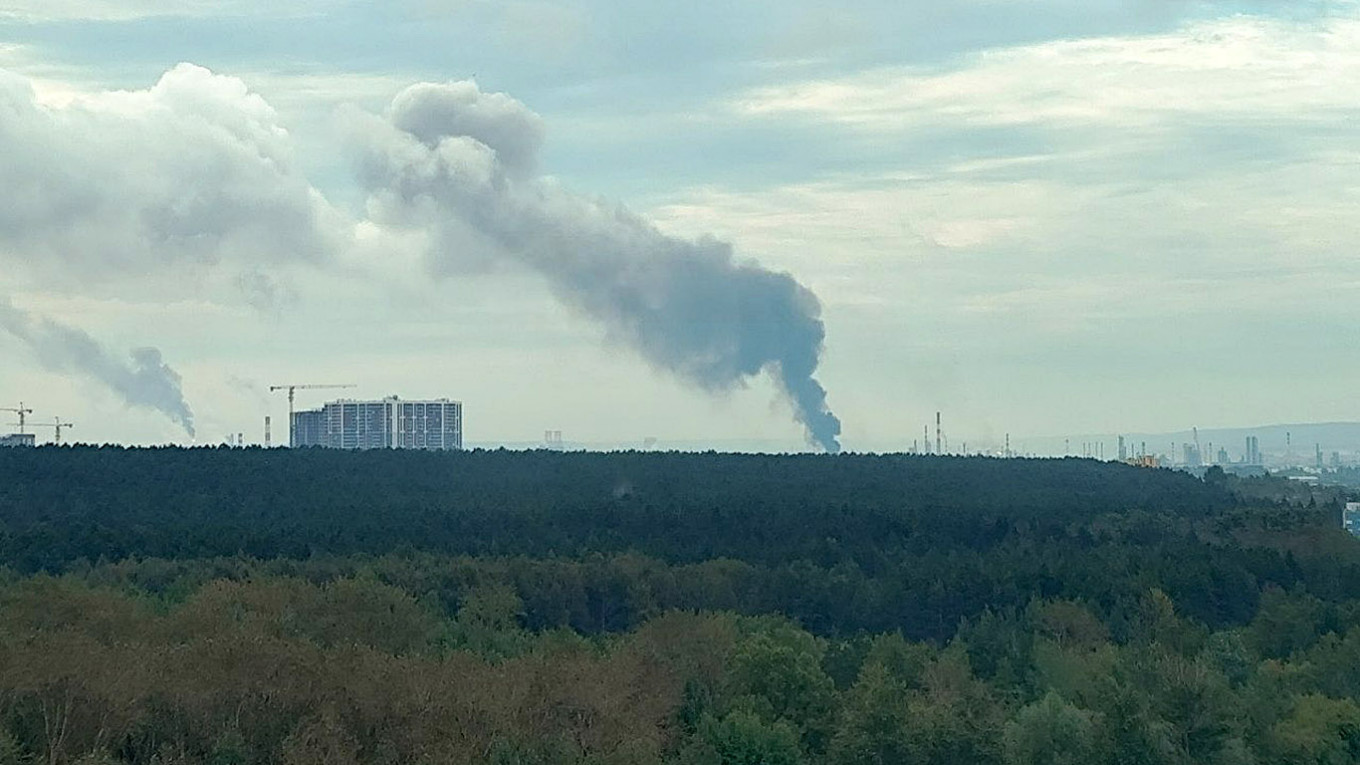
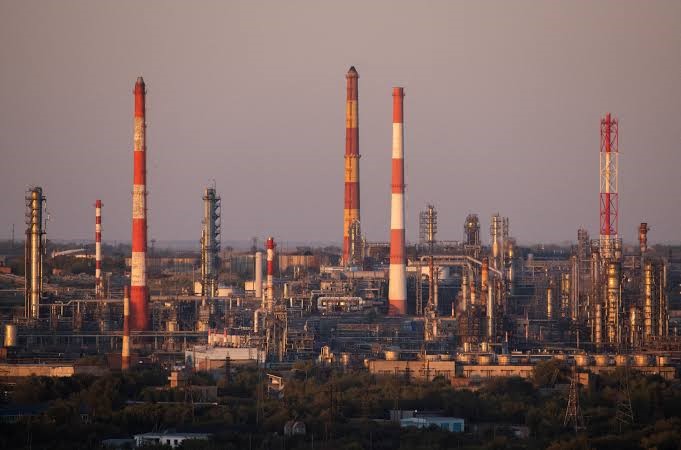
A reported Ukrainian drone strike at Russia’s Orsknefteorgsintez refinery was followed by strict fuel-purchase limits in the surrounding Orenburg region, turning an attributed industrial outage into an immediate constraint for motorists. The refinery halted operations after the Aug. 11 incident, according to reporting citing Reuters and industry sources. The precise extent of the damage has not been independently verified.
The refinery has stated annual processing capacity of approximately 5.7 million metric tons. Orenburg filling stations were subsequently limited to selling 30 liters of AI-92 or AI-95 gasoline per vehicle. Diesel purchases were capped at 60 liters in settlements and 200 liters on highways, while customers were prohibited from filling portable canisters.
Those restrictions show how a refinery disruption can propagate beyond the processing site. A refinery converts crude oil into usable products, but regional availability also depends on inventories, replacement supplies, rail or road transport, storage capacity and functioning retail stations. When local production stops, distributors must obtain fuel elsewhere and move it into the affected market quickly enough to prevent station-level shortages.
Replacing refinery output becomes a logistics problem
Orenburg Governor Yevgeny Solntsev said the plant had shut completely and that repairs could take as long as six months because key infrastructure and imported equipment were involved. That duration remains an official estimate rather than an independently confirmed repair schedule. He also said logistics were being reconfigured, the region might need fuel brought in from outside, and about 80% of its 287 filling stations remained operational.
Even with most stations open, reduced supply can produce uneven availability. Purchase caps spread remaining inventory among more drivers and discourage bulk buying, but they do not create additional gasoline or diesel. The restriction on portable containers similarly limits stockpiling and secondary distribution. From a network perspective, these are demand-management controls used while replacement supply routes are established.
Price intervention represents another stage of the same pressure. In Orenburg, the Federal Antimonopoly Service investigated propane prices after they increased by 1.5 times over two months to 42-45 rubles per liter. In Novosibirsk, authorities announced an Aug. 14 agreement with oil traders and station networks limiting retail fuel markups to 15% above the wholesale price supplied by Gazprom Neft. The agreement was scheduled to run until Nov. 15, with a possible extension.
A markup ceiling can restrain the retail price charged to drivers, but it cannot replace unavailable refinery throughput or transportation capacity. If wholesale supply remains constrained, the burden shifts toward allocation: deciding which stations, regions and vehicle classes receive the fuel that can be delivered. That is why price controls and volume limits can appear together even though they address different parts of the problem.
Crimea shows the wider consumer consequences
Russian-occupied Crimea reportedly returned to QR-code fuel rationing after open sales briefly resumed on Aug. 4. Gasoline was reported at 195-270 rubles per liter during that interval. Occupation authorities later announced a ceiling of 100 rubles per liter for AI-92 gasoline and said limits for other grades would follow.
The peninsula’s restrictions were accompanied by reported electricity outages and a decline of more than 70% in hotel bookings compared with July of the previous year. The Russian government pledged more than 4.3 billion rubles in one-time payments for tourism workers, described as equivalent to three months of minimum wage. These figures are attributed reports, and the respective contribution of fuel shortages, power interruptions and other wartime conditions cannot be separated from the available information.
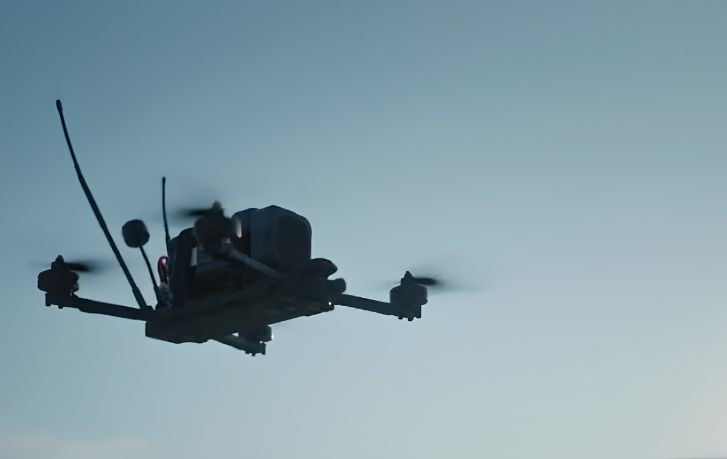
For unmanned-systems planners, the strategic significance is not simply whether one aircraft reaches one industrial facility. Long-range drones can impose continuing air-defense and readiness demands across a geographically dispersed infrastructure network. Defenders must account for refineries, power systems and other industrial assets far from the front, while operators must manufacture and deploy enough aircraft to sustain pressure. The available figures do not establish interception rates, drone production volumes or the overall percentage of Russian refining capacity unavailable.
What is visible is the downstream response: a refinery with roughly 5.7 million tons of annual capacity reportedly stopped processing, regional logistics had to be reconfigured, and motorists encountered hard purchase limits. The unresolved engineering question is how quickly repairs and replacement deliveries can restore stable supply without prolonged rationing.
By Stephen Wallace — Editor for AMI’s aerospace integration and unmanned mobility coverage, focused on drone manufacturing, VTOL systems, autonomous networks, and air-ground mobility links.