Boeing Repairs 600 Air Force One Cracks Amid 2028 Delay, $3.13 Billion Losses
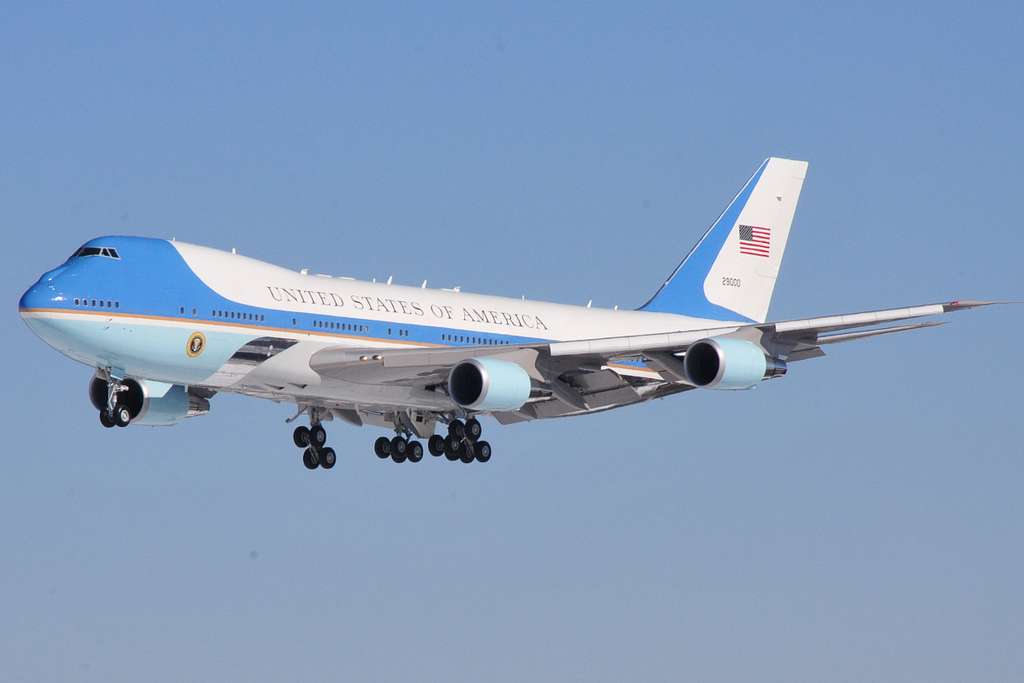
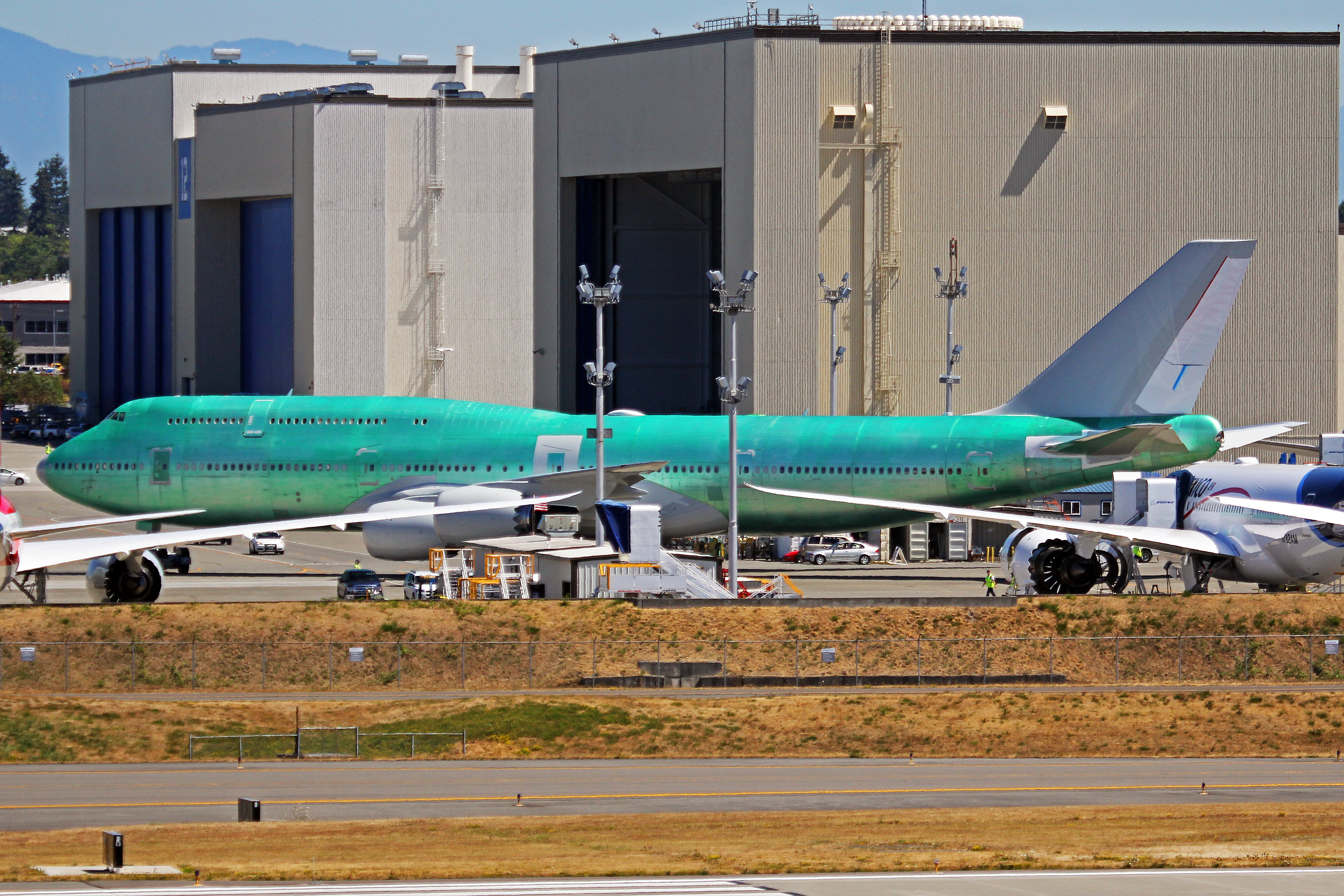
Hundreds of microscopic structural cracks sound like the dominant problem on Boeing’s two future Air Force One jets. They are not. The roughly 300 cracks identified on each 747-8 require controlled repairs, but the Air Force currently considers that work manageable within a schedule that has already slipped from December 2024 to mid-2028. The larger threats are the conversion’s interlocking engineering, supplier and certification demands.
The cracks affect stringers, longitudinal members that reinforce the fuselage and distribute flight loads. Boeing is replacing affected components under established Federal Aviation Administration procedures. The issue is not unique to the presidential aircraft: the FAA previously documented stress-corrosion cracking on other 747-8s and established inspection and repair requirements in an airworthiness directive proceeding.
At the reported stage, the first presidential aircraft still needed repair or installation work on 21 stringers. Boeing had completed replacement of 104 identified components on the second. Those figures show substantial work, but they should not be read as proof that the stringer problem caused the nearly four-year delivery shift or Boeing’s full financial loss.
A repair task is different from an integration problem
A stringer replacement is bounded work: identify the affected structure, remove or repair it using an approved procedure, inspect the result and document compliance. The job can still consume labor and interfere with nearby modifications, but its scope is comparatively visible once inspections establish the affected population.
Converting a commercial 747-8 into a presidential aircraft is less predictable because completion depends on multiple systems becoming ready in the right order. The work includes secure communications, specialized mission equipment, presidential interiors, extensive wiring, structural changes and defensive capabilities. Each installation must coexist physically and electrically with the others while meeting airworthiness and mission requirements.
That dependency chain explains why an apparently narrow supplier problem can reach far beyond one component. Passenger-window delays or an uncertified replacement cockpit windshield can constrain pressurization work, interior installation and later ground or flight testing. Slow interior-design maturity can similarly force engineers to revisit wiring routes or structural provisions already in work.
The Air Force has identified interior progress, Boeing staffing shortages, passenger-window supply and cockpit-windshield certification as more significant schedule concerns than the stringer repairs. Certification remained outstanding for a commercial spare-windshield design. Until such components and their documentation are ready, downstream testing can have aircraft, personnel and facilities waiting on a relatively small piece of hardware.
Fixed-price economics put schedule risk on Boeing
Boeing accepted a $3.9 billion fixed-price contract for the program in 2018. That structure limits the government’s exposure to many overruns but leaves Boeing responsible for most spending above the agreed value. Its cumulative program losses have reached approximately $3.13 billion.
A further $280 million charge announced in July 2026 reflected higher expected spending on engineering personnel, quality assurance and certification. Boeing said it was adding substantial resources to support the build and test schedule and maintain its 2028 delivery commitment. More engineers and inspectors can improve throughput, but adding labor does not automatically remove supplier constraints or shorten every certification sequence.
The schedule also carries an operational cost that is not captured by Boeing’s losses. The Air Force must keep the existing VC-25A presidential aircraft available and mission-ready until the replacements can support the full mission. Meanwhile, equipment selected years earlier must remain supportable and suitable when the new jets finally enter service a growing concern when delays approach the development cycles of communications and cybersecurity hardware.
The approximately 600 cracks across the two aircraft therefore matter as required structural work, not as a complete explanation for the program’s condition. The harder test is whether Boeing can close interior design, supplier, wiring and certification dependencies early enough to protect pressurization and flight testing. Mid-2028 remains the target, but the remaining schedule margin depends more on that integration chain than on the stringers now being replaced.
| More aerospace and engineering stories, right in your MSN feed. Follow AMI on MSN |
By David Whitaker — Associate editor for AMI’s aerospace and drone systems desk, translating flight systems, aircraft programs, spaceflight, and UAV developments into accessible technical stories.