Oregon Warns Recreational Drones Can Ground Wildfire Aircraft, Trigger $75,000 Fines
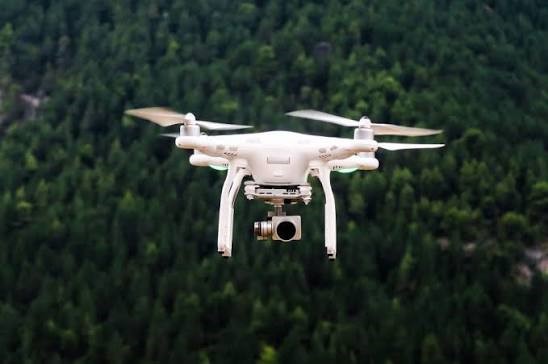
A small recreational drone does not need to collide with a firefighting aircraft to stop an aerial suppression mission. Once an unidentified drone is reported in wildfire airspace, managers may suspend low-altitude water and retardant drops until they consider the area safe again. That is the mechanism behind an August 2026 warning from the Oregon Department of Aviation and Oregon Department of Emergency Management.

The agencies acted after reported drones near Oregon’s still-burning Grasshopper Fire delayed firefighting operations. Oregon Department of Aviation Director Kenji Sugahara said even a 15- or 30-minute interruption gives a spreading fire more time to advance. The state says unauthorized operators can face civil penalties of up to $75,000, as much as 12 months in federal prison, confiscation of equipment and permanent loss of pilot certificates.
Why one drone can stop several aircraft
Aerial firefighting is a coordinated, low-altitude operation conducted in smoke and around other aircraft. Tankers and helicopters may be maneuvering to release water or retardant while air crews and incident managers maintain separation among participating aircraft. An unidentified drone introduces an aircraft whose position, route and pilot intentions are not integrated into that plan.
The size difference does not eliminate the operational conflict. Recreational drones can occupy the same low-altitude band used by suppression aircraft, creating collision and pilot-distraction risks. Crews cannot assume that an unseen operator will hold position, descend or leave the area. Suspending flights is therefore a risk-control decision: managers temporarily give up aerial suppression capacity rather than ask pilots to share smoky airspace with an uncoordinated aircraft.
The public cost is measured less by the drone’s size than by the capability it can interrupt. Grounding multiple aircraft can pause drops supporting crews below, and Oregon officials warn that these delays can allow a fire to intensify or spread. That increases exposure for firefighters, nearby communities and infrastructure even when the intrusion itself causes no collision.
Restrictions depend on authorization, not aircraft type
The warning does not mean drones are inherently incompatible with wildfire response. Authorized agency and contracted drones can locate hotspots, monitor fire behavior and relay information to ground crews. Those missions are coordinated with incident command and other aircraft, placing the unmanned system inside the same air-operations structure rather than leaving it as an unidentified traffic hazard.
That distinction explains the apparent contradiction: a recreational drone can ground firefighting aircraft, while an agency drone may help direct the response. The decisive engineering and policy issue is whether the flight is known, authorized and deconflicted not whether the aircraft has a pilot aboard.
The Federal Aviation Administration can establish a Temporary Flight Restriction around a wildfire or another emergency. Within that designated airspace, unauthorized aircraft, including drones, cannot operate without permission. An active restriction over the Grasshopper Fire specifically bars unauthorized drone flights and warns that an intrusion will immediately ground firefighting aircraft.
For recreational pilots, the restriction creates an access tradeoff with little ambiguity. Aerial photography or personal observation must yield to emergency aircraft operating in a constrained environment. Oregon describes active wildfire areas as strict no-drone zones, including at night and on weekends, and directs operators to check current flight restrictions before launching.
Enforcement supports an airspace-management problem
The potential penalties are severe because one operator can impose disruption on an entire coordinated aviation operation. Oregon also says drone-detection equipment may be deployed at or near active fires to help identify unauthorized activity and protect the airspace. Detection does not expand suppression capacity by itself, but it can help managers establish whether the airspace is clear enough for crewed aircraft to resume work.
The issue extends beyond one Oregon fire. At least 20 drone incidents were reported across eight other states, with aerial firefighting temporarily halted nine times. Those figures do not establish how frequently every wildfire operation encounters a drone, but they show that the grounding procedure is not merely hypothetical.
Wildfire response increasingly has room for both crewed and uncrewed aircraft, provided every flight is managed as part of one system. The Grasshopper Fire warning defines the boundary plainly: coordinated drones can supply useful fire intelligence, but one unauthorized recreational flight can remove water-dropping aircraft from the sky when minutes matter.
| More aerospace and engineering stories, right in your MSN feed. Follow AMI on MSN |
By Stephen Wallace — Editor for AMI’s aerospace integration and unmanned mobility coverage, focused on drone manufacturing, VTOL systems, autonomous networks, and air-ground mobility links.