Estimated Patriot and THAAD Supplies Could Take Three Years to Rebuild
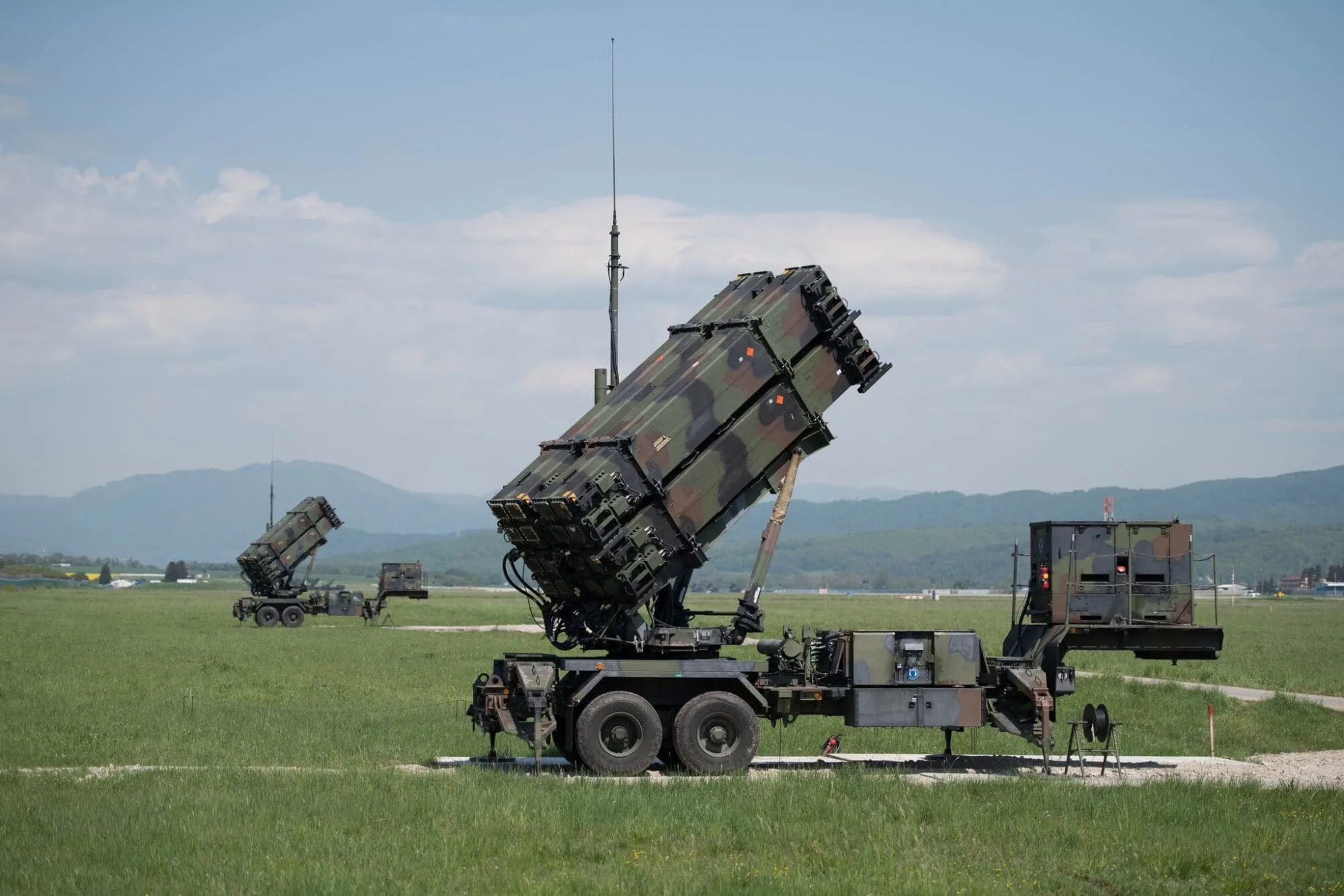
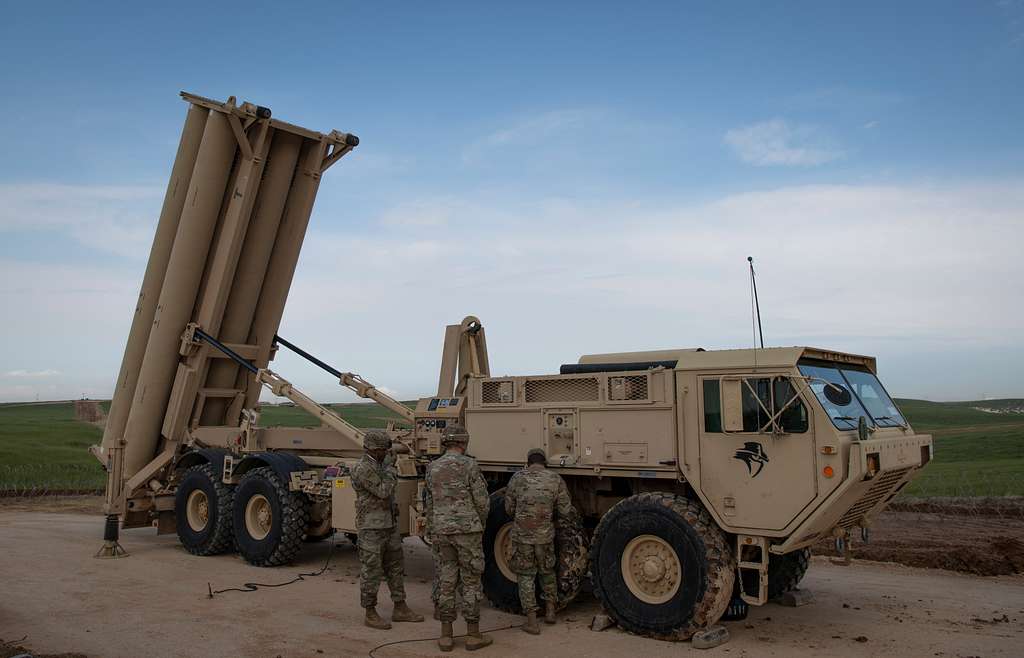
More missile funding is moving into the U.S. defense-industrial base, but finished interceptors cannot be delivered on an appropriations schedule. A Council on Foreign Relations assessment published August 20 estimates that the United States has fewer than 830 Patriot interceptors and fewer than 280 Terminal High Altitude Area Defense, or THAAD, interceptors. At current production rates, it estimates that restoring Patriot supplies could take about three years, while THAAD replenishment could require roughly two.

Those figures are estimates, not confirmed official inventory counts. The more durable concern is the manufacturing constraint behind them: annual output is currently described as approximately 600 Patriot interceptors and 96 THAAD interceptors, and neither production line can expand simply by adding money or shifts at final assembly.
A missile line moves at its slowest supplier
An interceptor is the endpoint of a production network that includes propulsion systems, ignition hardware, structural components, specialized tooling, qualified suppliers, trained workers, testing and government acceptance. If one of those stages cannot scale, additional capacity elsewhere may sit underused. More final-assembly stations, for example, provide limited benefit if rocket motors or certified structural parts arrive too slowly.
The federal government is trying to address that imbalance at the component level. An August 3 official announcement detailed framework agreements intended to support a threefold increase in Patriot Advanced Capability-3 production and a fourfold increase in THAAD production. The agreements establish a second source for Patriot solid rocket motors, raise output of ignition-safety devices and expand manufacturing capacity for THAAD structural components.
That supplier-level focus is significant because a planned production rate is not the same as achieved output. Lockheed Martin and the government have also outlined a THAAD capacity increase from 96 to 400 interceptors annually, but facilities, tooling and labor must be put in place before that ceiling becomes a recurring delivery rate. Components from separate suppliers then have to arrive in compatible quantities and pass their required tests before the prime contractor can integrate a finished interceptor.
Qualification protects quality but slows expansion
Adding a new supplier to an aerospace production chain is more involved than placing an order with another machine shop. The company needs appropriate equipment, controlled processes and workers capable of repeatedly producing parts to program requirements. Its output must then be qualified for use. That sequence is especially consequential for propulsion and ignition hardware, where expanding nominal factory space does not by itself create an approved source.
A second rocket-motor supplier can ultimately make Patriot production more resilient and introduce more capacity. In the near term, however, qualification and production ramp-up consume time. The same applies to THAAD structural hardware: quadrupling component capacity requires suppliers to install tooling, modernize facilities and develop a workforce before higher throughput can be sustained.
Testing and government acceptance form another boundary. Faster fabrication does not eliminate the need to verify completed hardware. If component production rises faster than inspection, test equipment or acceptance capacity, the bottleneck can migrate downstream rather than disappear. A balanced expansion therefore has to increase throughput across multiple stages instead of maximizing one factory’s headline rate.
Readiness competes with delivery commitments
The estimated shortfall creates a procurement tradeoff for U.S. planners. Interceptors are needed for domestic military requirements while the United States continues supporting allies. When annual output is limited, directing deliveries toward one requirement can lengthen the recovery period for another. The inventory estimates do not establish which allocation decisions will be made, but they show why production timing matters alongside the total amount authorized.
Taxpayers face a related question: how to pay for capacity that suppliers can maintain rather than briefly surge. Long-term demand commitments can justify investment in buildings, tooling and skilled labor, while short or uncertain orders make those investments harder to support. Framework agreements are designed to provide that visibility, but they should not be mistaken for completed factories or missiles already accepted into service.
The proposed higher rates could materially improve replenishment once the full supplier network reaches them. Until then, the current estimates point to a system governed by its least scalable step. The decisive milestones will not be funding announcements alone, but qualified second sources, installed tooling, trained workers and sustained deliveries of tested components at the rates final assembly requires.
| More aerospace and engineering stories, right in your MSN feed. Follow AMI on MSN |
By David Whitaker — Associate editor for AMI’s aerospace and drone systems desk, translating flight systems, aircraft programs, spaceflight, and UAV developments into accessible technical stories.