FAA Investigates Two O’Hare Airliner Tire Failures Three Hours Apart
Two passenger jets sustained tire damage after landing safely at Chicago O’Hare International Airport just over three hours apart on Aug. 24, 2026. The Federal Aviation Administration has opened separate investigations, but no official finding links the American Airlines and United Airlines incidents.
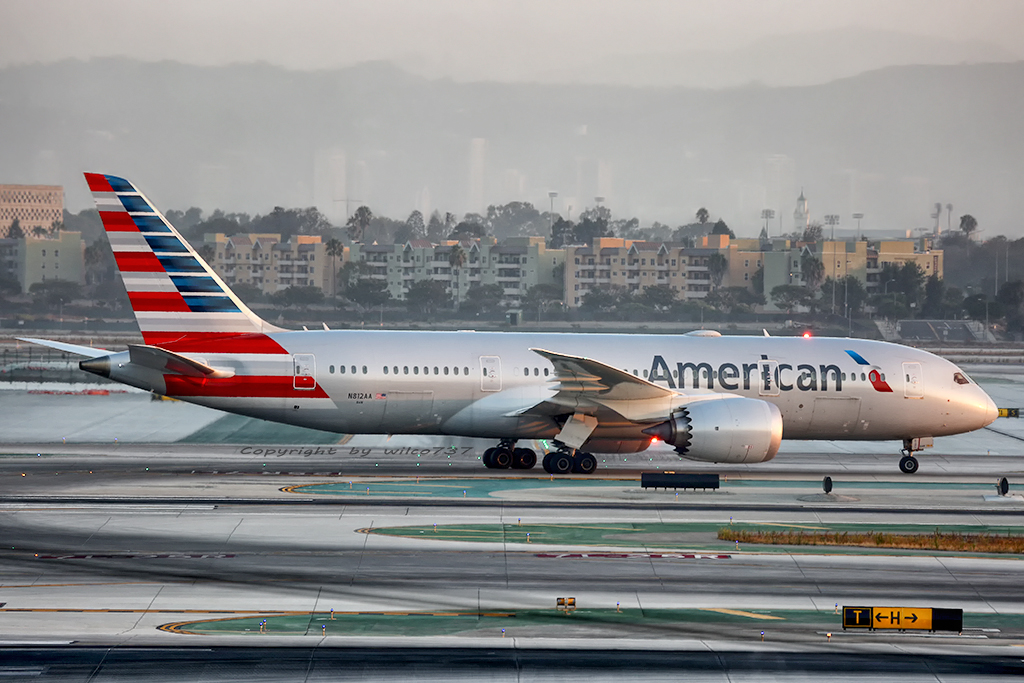
American Airlines Flight 386, a Boeing 737-800 arriving from New York’s LaGuardia Airport, reported two blown tires after landing at about 2 p.m. Passengers exited by stairs and took buses to the terminal. American removed the aircraft from service for an inspection by its maintenance team.
At approximately 5:15 p.m., United Airlines Flight 739 reported tire damage after its Airbus A320 arrived from Omaha. The aircraft carried 121 passengers and five crew members. Those passengers also used airstairs and buses, and United reported no injuries.
Close timing is not a technical finding
The narrow interval makes the two events notable, especially because both disrupted normal passenger handling at the same major airport. It does not, by itself, establish a common failure mechanism. The aircraft were different models operated by different airlines, and the available information contains no inspection results identifying the damaged tire positions, condition of associated hardware or circumstances that produced the damage.
The FAA has also characterized its information as preliminary and subject to change. That distinction matters: an initial incident notice confirms what crews reported and establishes that an investigation is underway, but it is not equivalent to a completed engineering analysis.
Determining whether two tire events are related would require more than matching their date and airport. Investigators and airline maintenance teams would need findings capable of distinguishing aircraft-specific conditions from environmental or operational factors. None of those findings has been released, so attributing the incidents to runway conditions, airline maintenance, airport traffic or tire design would go beyond what is known.
American’s decision to remove its 737-800 from service provides the clearest confirmed maintenance consequence. Taking the aircraft out of operation allows the airline to inspect it before returning it to passenger service. No comparable inspection result, fleet-wide action or maintenance directive has been announced in connection with either event.
Why tire inspections cover more than visible damage
The FAA’s aircraft tire maintenance guidance addresses installation, inflation, maintenance, removal and operational practices. The advisory circular is guidance rather than a mandatory regulation, and operators may use another FAA-accepted method.
That broad scope illustrates why the investigation cannot be reduced to the word “blowout.” A tire-damage report describes an observed condition, not necessarily its origin. Inspection and maintenance records provide the technical basis for deciding what happened and whether any corrective action should extend beyond the individual aircraft. No such determination has been made public here.
The immediate passenger effect was more straightforward. Neither aircraft completed a routine gate arrival, so both groups left using stairs and were transported by bus. That process can lengthen the final portion of a trip and requires coordination among the flight crew, airport responders, ground handlers and airline operations personnel. In the United case, the airline confirmed that no one was injured.
Other recent Chicago-area tire events add public concern but not proof of a pattern. Less than a week earlier, another United aircraft reportedly aborted an O’Hare takeoff following blown tires. Southwest Airlines Flight 1243 also experienced a blown tire after landing at Chicago Midway on Aug. 3; the FAA opened an investigation, and no injuries were reported. Without completed findings, these events cannot be assigned a shared origin.
O’Hare was projected to handle more than 3,080 flights on peak summer 2026 days, 14.9% above the previous summer’s peak-day schedule. The FAA subsequently imposed scheduling limits to manage delays and operational constraints. Those traffic figures explain why even safely managed aircraft incidents can have wider operational effects at a major hub, but they do not establish that traffic volume contributed to either tire event.
The decisive information will come from the separate investigations and aircraft inspections not from the three-hour gap between the landings. Until technical findings are released, the confirmed record remains limited: both jets landed safely, passengers were transferred by stairs and buses, American removed its aircraft for inspection, United reported no injuries, and the FAA has not connected the incidents.
| More aerospace and engineering stories, right in your MSN feed. Follow AMI on MSN |
By Thomas Caldwell — AMI’s senior editor for mechanical and mobility engineering, covering vehicle electronics, systems integration, electrification, chassis systems, propulsion, and safety policy.