NHTSA Expands GM Brake-Assist Probe to 1.16 Million Vehicles After 745 Incidents
Federal regulators have expanded an investigation of General Motors’ electronic brake-assist system to an estimated 1,164,820 vehicles after counting 745 incidents. The central question is whether assistance can disappear during a stop not only after the vehicle has stopped, as GM previously described for one identified failure sequence.
The National Highway Traffic Safety Administration opened Engineering Analysis EA26006 on Aug. 21, 2026. Its opening figures list 22 crashes or fires and five injury incidents involving six injuries, with no reported fatalities. Those outcomes remain incident data under review; they are not final findings that a common defect caused every event. The expanded investigation covers vehicles using GM’s eBoost system, but it is not a recall and does not mean 1.16 million systems have failed.
The timing of assist loss is the critical discrepancy
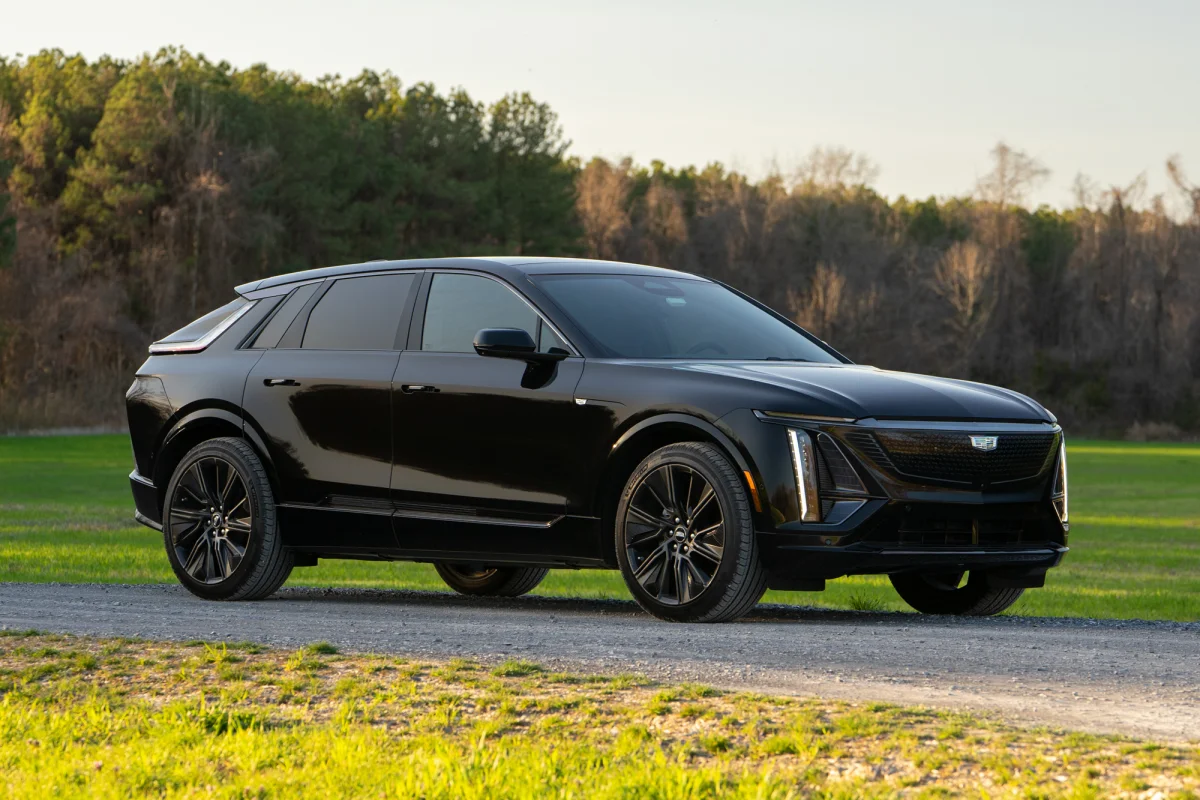
The investigation began in April 2024 as a preliminary evaluation covering 3,322 model-year 2023 Cadillac Lyriq vehicles. Owners had reported a hard brake pedal and “Brake System Failure” messages. GM told regulators that an internal spindle in the eBoost electronic brake control module could fracture during an anti-lock braking event.
GM’s described sequence matters because it defined when the driver could encounter reduced assistance. The company said braking pressure would largely remain available until the vehicle came to a stop. After stopping, brake assist and several control functions could be lost, while what GM called “push-through braking” unassisted braking produced through greater pedal effort would remain available.
Some subsequent field reports allege a materially different sequence: immediate loss of brake assist while the driver is already braking. NHTSA has not concluded that those reports establish a defect or that each one resulted from a fractured spindle. Its Engineering Analysis is intended to determine whether eBoost failures can produce that reported behavior and create a safety-related loss of assistance.
From a human-factors standpoint, the distinction is substantial. A warning or loss of assistance after a completed stop gives the driver a different operating problem than a sudden increase in required pedal force during deceleration. If assistance drops during braking, the driver must recognize the change and apply greater force while the available stopping distance is already being consumed. NHTSA says that alleged condition could extend stopping distance and increase crash or injury risk.
A shared system turns one-model reports into a platform question
The original evaluation focused on one Lyriq model year. The broader analysis reflects eBoost’s use across multiple vehicle programs rather than proof that every included model has experienced the same failure. The identified population includes 2024-2026 Chevrolet Blazer EV and Equinox EV models, while the GM-manufactured Honda Prologue and Acura ZDX are included as peer vehicles using the same system. Other GM vehicles are also within the analysis.
This wider scope allows regulators to compare component design, production history, diagnostic behavior and field reports across vehicles sharing the architecture. That can help separate a narrowly bounded manufacturing condition from a system-level issue, but the investigation’s population remains an estimate of vehicles potentially relevant to the analysis not a count of defective vehicles.
GM linked early spindle fractures to hydrogen embrittlement, with greater thread-surface roughness increasing the likelihood of fracture. The supplier changed machining controls and surface-roughness audits beginning in February 2023. GM also introduced production screening, supplier testing and a later baking or tempering process intended to improve spindle robustness. These are GM’s causal assessment and countermeasures, not final NHTSA findings.
Diagnostic software adds another boundary. GM developed software that tests the spindle while a vehicle is parked and turned off. If it detects a broken spindle, the software is designed to set a trouble code and trigger warnings at the next startup. That approach can identify a fracture and notify the driver, but it is not designed to prevent every fracture. GM reported an 81.7% completion rate for its 2023 Lyriq over-the-air software program as of June 2024; the original federal file said that update was not conducted as a recall.
Investigation does not provide a fleetwide remedy
NHTSA’s total consists of 227 reports to its Office of Defects Investigation and 531 manufacturer reports, reduced to 745 incidents after duplicates were removed. The agency will now assess the reported outcomes, the competing failure descriptions and the effectiveness of GM’s manufacturing and diagnostic measures.
An Engineering Analysis is a formal defect-investigation stage, and NHTSA says it works to complete this stage within 18 months. It can support further regulatory action, but no final defect determination or recall covering the full 1.16-million-vehicle population has been announced. The decisive next finding will be whether the alleged mid-stop loss of assistance is reproducible and safety-related and whether it extends beyond the post-stop sequence GM previously described.
| More aerospace and engineering stories, right in your MSN feed. Follow AMI on MSN |
By Thomas Caldwell — AMI’s senior editor for mechanical and mobility engineering, covering vehicle electronics, systems integration, electrification, chassis systems, propulsion, and safety policy.