Rivian Plans 10 Megawatt-Hours of Factory Storage From 100-Plus Used Batteries
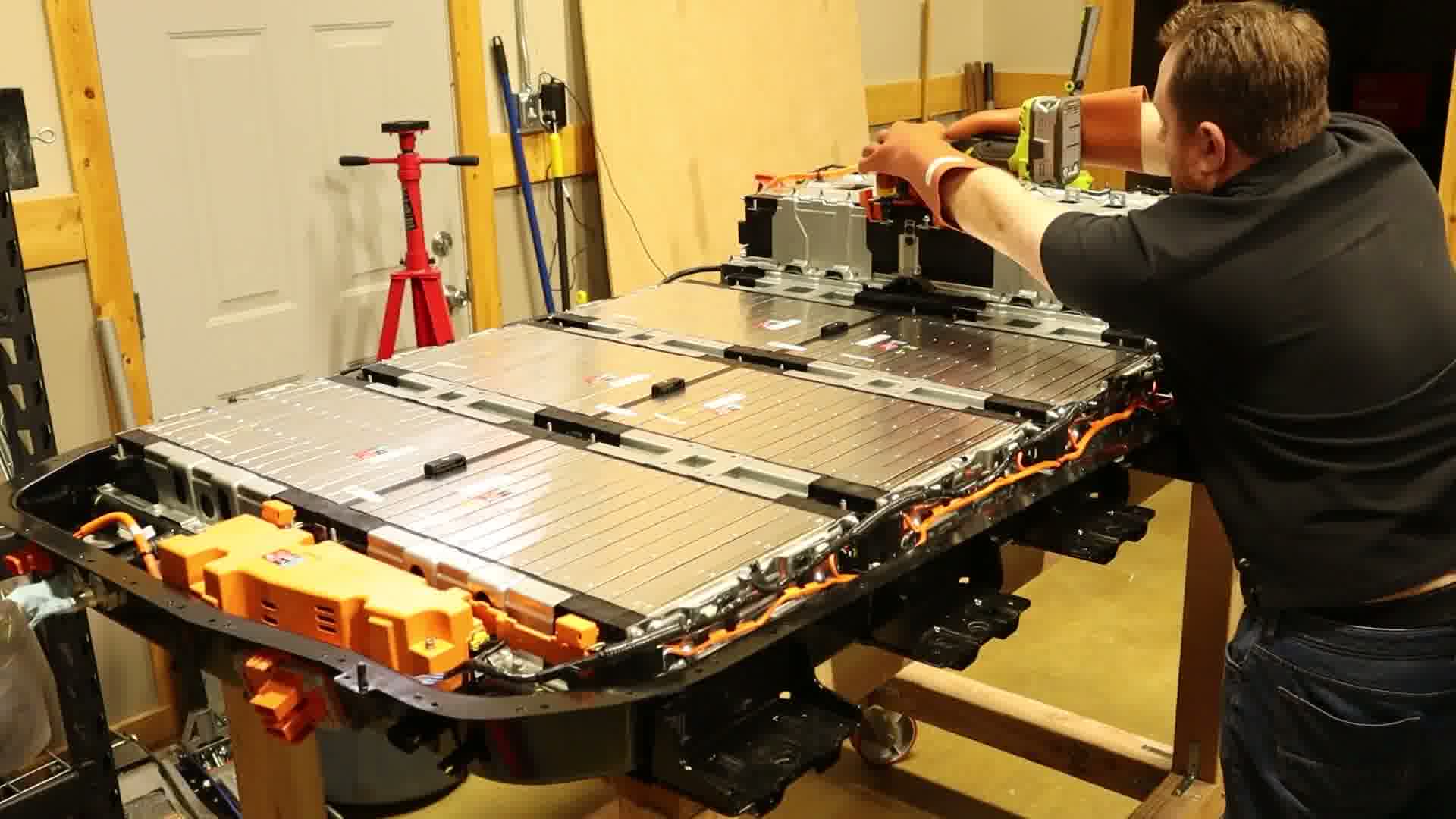
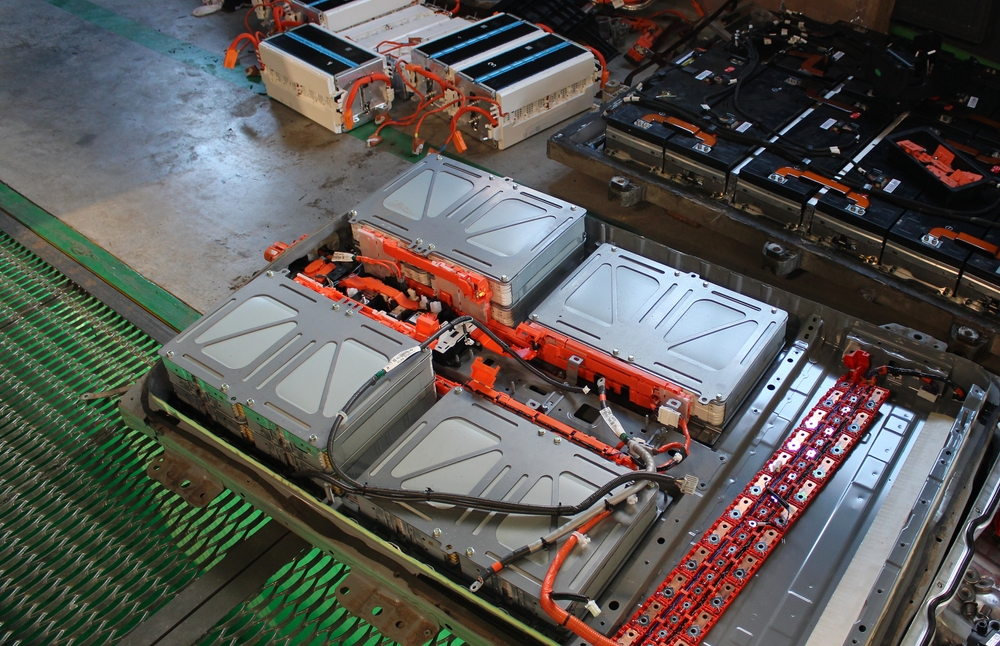
Before more than 100 Rivian vehicle batteries can help power an automotive factory, they must become one coordinated stationary system. Redwood Materials will receive the used packs, integrate them into storage units and connect them through its energy-management technology at Rivian’s Normal, Illinois, plant. The planned installation will initially store 10 megawatt-hours, according to the companies’ partnership announcement.
The packs will come from Rivian test vehicles or vehicles that can no longer drive but still have viable batteries. This is a second-life application, not immediate recovery of their constituent materials. Rivian intends to charge the system outside periods of high demand and discharge it to support plant loads when grid electricity is under greater strain or more expensive. That peak-shaving function is expected to lower operating costs and reduce the factory’s maximum grid demand, but neither company has published measured savings or disclosed the project’s cost.
Energy capacity is confirmed, power output is not
The 10-megawatt-hour figure describes how much energy the installation can hold. It does not reveal how quickly the system can deliver that energy. That requires a power rating, usually stated in megawatts, and the companies have not disclosed one. A 10-megawatt-hour system rated at 2 megawatts could theoretically discharge at full power for five hours, while a 5-megawatt system would provide the same stored energy over two hours. Those are illustrations, not specifications for Rivian’s project.
The missing power rating matters because a factory’s demand peaks can be brief and steep or sustained across several hours. Inverters, transformers, switchgear and controls must be sized around that operating profile. The control system also must coordinate packs with different ages and operating histories while respecting individual voltage, temperature and current limits.
Redwood says its broader stationary-storage design accounts for variation among second-life packs and allows individual packs to be replaced without taking an entire direct-current block offline. The company also says vehicle batteries in stationary service operate at charge and discharge rates around one-tenth of their original automotive design capability. Those gentler conditions can reduce stress, but Redwood has not provided the Normal installation’s expected service life, replacement schedule or capacity-retention commitment.
Pack qualification and fire protection remain open questions
“Viable” is not yet a publicly defined acceptance threshold for this project. Rivian and Redwood have not disclosed the required state of health, diagnostic process or exclusion criteria for damaged or irregular packs. That qualification work is central to second-life storage because nominally similar batteries can arrive with different remaining capacities, internal resistance and thermal histories.
The companies also have not detailed the installation’s thermal-management architecture, pack spacing, gas detection, fire suppression or emergency-isolation strategy. Lithium-ion cells can enter uncontrolled self-heating if heat generation exceeds dissipation, so a stationary installation needs monitoring and protection designed around both individual pack behavior and potential propagation between units. The planned system will occupy an area described as roughly the size of a small parking lot, but that footprint alone does not establish how the packs will be separated or protected.
Grid interconnection is another unresolved part of the design. Illinois rules evaluate distributed energy systems according to factors including export capacity, voltage effects, fault-current contribution and protective-device limits. Storage installations also must satisfy inspections and any required witness testing before receiving permission to operate. Rivian and Redwood have not stated the system’s alternating-current nameplate rating or whether controls will prevent electricity from being exported beyond the plant meter, so its specific interconnection path cannot yet be determined.
A factory project rather than a new Rivian business
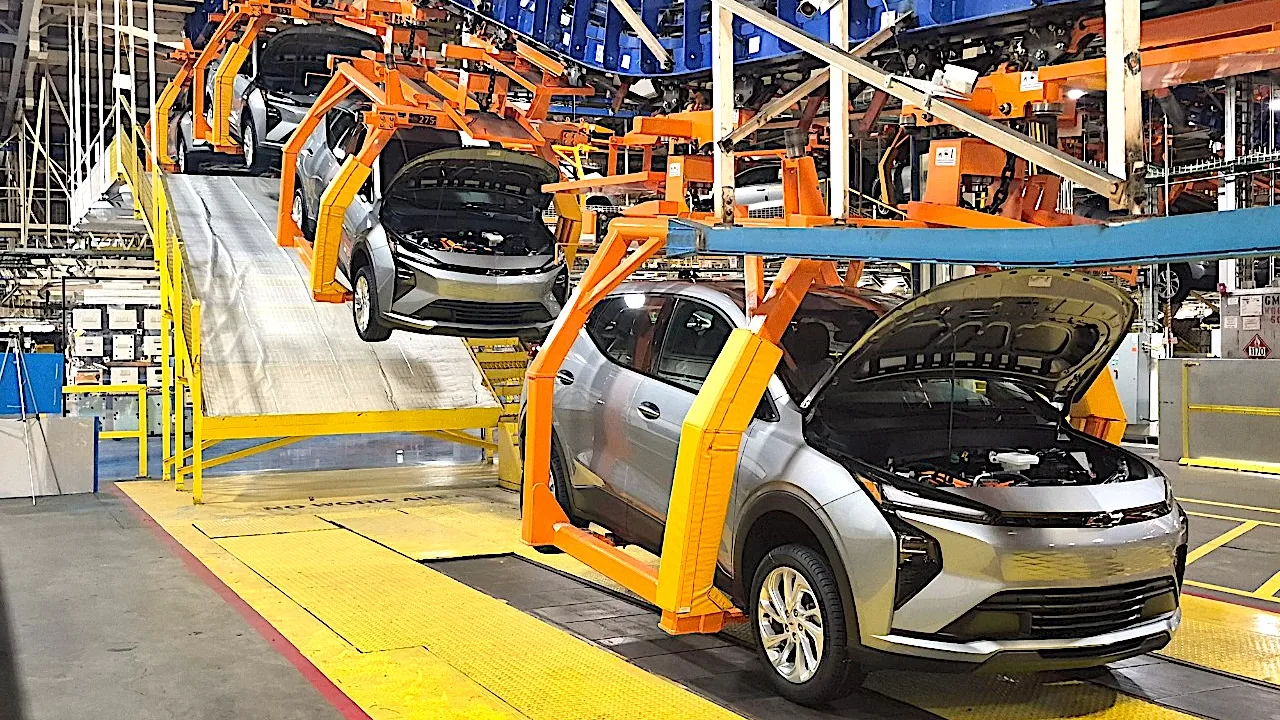
The Normal plant is Rivian’s only operating vehicle factory. CEO RJ Scaringe said stationary storage is not a focus for us as a business right now, positioning this project as an industrial-energy application rather than a new product line. Rivian is also building a second factory in Georgia that is scheduled to open in 2028, although no comparable storage installation has been confirmed there.
Executives have described the Normal project as the largest repurposed-battery storage system for a U.S. automotive manufacturer, but no independent documentation was provided for that ranking. Completion was described only as expected later this year, without an explicit calendar year. The more consequential milestone will be commissioning: demonstrating that over 100 batteries with prior vehicle service can operate as one predictable, protected factory asset while delivering the promised 10 megawatt-hours.
| More aerospace and engineering stories, right in your MSN feed. Follow AMI on MSN |
By Robert McKinney — Editor-in-Chief for AMI’s automotive and mobility coverage, with a mechanical engineering background and a decade reporting on powertrain systems, EV innovation, and global vehicle manufacturing.