Cybertruck Owner Spends $774 Over 15,000 Miles but Leak Persists
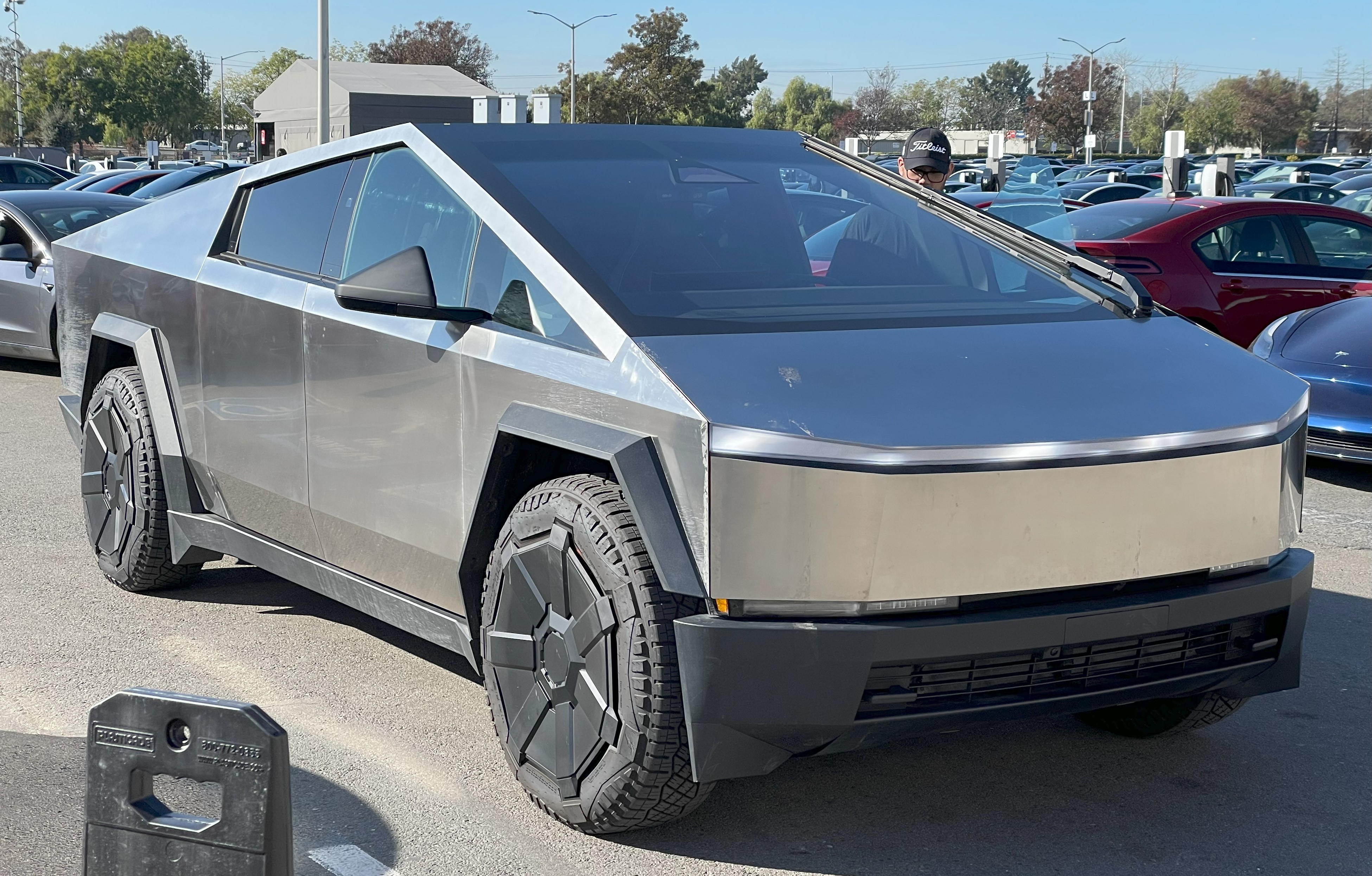
$773.56 is what Tesla Cybertruck owner Matt Danadel reported spending on charging and routine maintenance over one year and 15,000 miles. That low operating bill came with a notable counterweight: the truck’s powered tonneau cover continued to admit rainwater after two Tesla service visits.

The total comprised $680 for charging and $93.56 for maintenance. Danadel calculated his electricity cost at 4.5 cents per mile and estimated that fuel for the same distance would have cost about $3,000. His maintenance spending covered two tire rotations and $1.25 of windshield-washer fluid.
Low spending does not include warranty work
The reported $773.56 provides a useful ownership example, but it is not a complete measure of the truck’s total service burden. Several problems were handled under warranty rather than paid for as routine maintenance.
The Cybertruck arrived with a scratched driver-side door latch and a misaligned driver’s door. A front-camera housing that fogged and a windshield wiper that activated unexpectedly were repaired under warranty. Danadel said warning lights and other problems stopped after the first six months, while over-the-air software updates subsequently added functions that were absent at delivery.
The tonneau leak remained unresolved. Tesla publishes a Cybertruck tonneau rework procedure that calls for inspecting the water-management slat and checking for a gap between the cover and adjoining body hardware. That document establishes that Tesla has a defined service process for one sealing-related configuration, but it does not establish the cause of the leak in Danadel’s truck or what work was performed during his visits.
For an electric pickup, this distinction matters. Energy and scheduled-maintenance expenses can be low while body hardware, sealing systems, sensors and other non-powertrain components still generate service appointments. Warranty coverage protects the owner from some direct repair costs, but it does not eliminate the time and inconvenience associated with repeated visits or guarantee that a complaint will be resolved immediately.
Displayed range stayed close to the rating
Danadel also recorded the truck’s displayed range after each of his five most recent charges. The readings ran from 323 to 326 miles and averaged 324.4 miles, close to the cited 325-mile factory rating.
Those figures should not be treated as a laboratory measurement of usable battery capacity or degradation. A vehicle’s displayed range is an estimate influenced by its software and operating assumptions. The observation shows that this particular truck continued to display near-rated range after 15,000 miles; it does not independently establish the battery’s state of health.
The result is nevertheless relevant to the ownership-cost picture. Danadel did not report a conspicuous decline in the range estimate during his first year, while charging remained his largest direct operating expense by a wide margin.
Visibility shifts more work to cameras
Daily usability presented a different tradeoff. Danadel identified the Cybertruck’s large windshield pillars and minimal rear window as visibility constraints, although its camera views helped compensate. He found his Tesla Model Y Juniper easier to drive and park.
That is a human-factors issue rather than merely a styling preference. Camera systems can expand the driver’s view, but they also move information from direct sightlines to displays. Drivers must look toward and correctly interpret those images, particularly when maneuvering a large vehicle. An independent Edmunds assessment similarly describes poor outward visibility and substantial reliance on the Cybertruck’s camera system.
Danadel occasionally subscribed to Tesla’s driver-assistance package for $99 per month, including before family road trips. He said it performed better than expected in rain and heavy traffic but remained far from perfect. That assessment preserves the proper operating boundary: driver assistance can reduce workload in some conditions, but it does not remove the driver’s monitoring responsibility.
The dual-motor truck’s positive attributes were substantial enough for Danadel to accept the compromises. He praised its cabin space, long-distance comfort, air suspension, acceleration and steer-by-wire handling. He also ceramic-coated the stainless-steel exterior to reduce fingerprints and staining from dust and bugs.
After waiting nearly five years from his November 2019 deposit, Danadel said he would buy the Cybertruck again: I’d put my name down again before the glass hit the stage floor.His first year therefore does not support a fleet-wide reliability judgment. It documents a narrower and more useful tension very low reported energy and routine-maintenance spending alongside early warranty faults, restricted visibility and a rain leak that two service visits had not eliminated.
| More aerospace and engineering stories, right in your MSN feed. Follow AMI on MSN |
By Thomas Caldwell — AMI’s senior editor for mechanical and mobility engineering, covering vehicle electronics, systems integration, electrification, chassis systems, propulsion, and safety policy.