FAA Orders Recurring Boeing 787 Wing Inspections for 17 U.S. Jets
The Federal Aviation Administration has turned a Boeing 787 manufacturing concern into a recurring maintenance requirement for 17 aircraft on the U.S. registry. Issued August 26, 2026, the final airworthiness directive requires operators to inspect designated wing structures for potential fatigue cracks and repair any cracking they find.

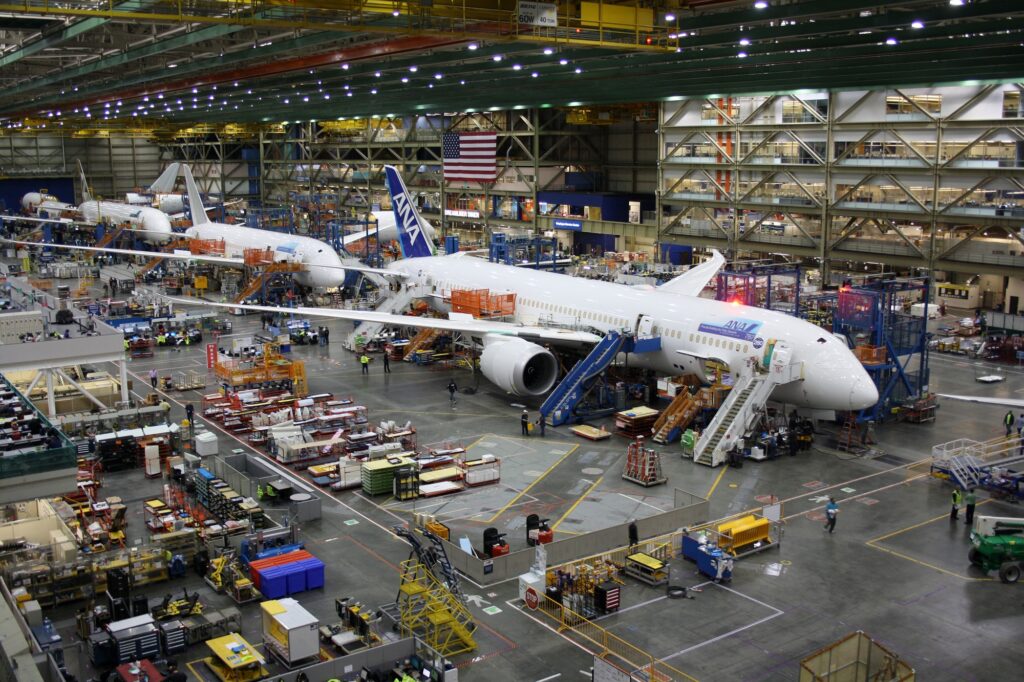
The rule covers certain Boeing 787-8, 787-9 and 787-10 aircraft identified in a Boeing requirements bulletin, not every Dreamliner. It takes effect October 1, 2026. The FAA estimates that 17 U.S.-registered airplanes are affected; the broader identified group reportedly includes 77 aircraft worldwide.
How a shim discrepancy becomes a fatigue concern
The affected area includes lower side-of-body splice plates associated with the lower outboard wing skins. This is primary structure near the aircraft’s center section, where major wing elements connect to the body.
Shims fill controlled gaps between structural components before a joint is fastened. The objective is to produce the specified fit without imposing unintended loads simply to bring the parts together. Boeing’s investigation concluded that some shim gaps may have exceeded engineering allowances in the affected aircraft.
If components with an excessive gap are pulled together with high assembly force, that process can introduce excessive preload into the joint. The FAA identified fastener holes as potential locations for fatigue cracks under those conditions. Repeated service loading can then drive crack growth over time.
That is the potential mechanism behind the directive, not a finding that cracks exist across the 787 fleet. The FAA’s action is intended to detect cracking on the identified aircraft before it progresses to a structurally consequential level.
Guidance becomes a mandatory inspection program
The regulatory process followed several stages. Boeing identified an outdated shim-measurement method during a 2019 investigation and subsequently corrected the issue in production. The company issued an Alert Requirements Bulletin covering the relevant structure on August 11, 2025.
The FAA proposed making that work mandatory in March 2026. Its final directive now requires the inspections at specified initial and recurring intervals, unless the required work has already been completed.
The exact inspection package depends on each airplane’s configuration. It can include repetitive ultrasonic inspections of designated splice plates, rear spar terminal fittings, lower chords, front spar terminal fittings and jack pads. Operators must also conduct repetitive detailed visual inspections of specified splice plates. Any detected cracking triggers applicable follow-on action, including an approved repair.
Ultrasonic inspection matters here because it gives maintenance teams a nondestructive method for examining structural material for discontinuities that may not be apparent in a surface-level visual check. The detailed inspection provides a complementary examination of accessible structure. Together, the methods support repeated condition monitoring rather than relying on a one-time check.
Inspection timing reflects how the structure accumulates fatigue
The compliance schedule is more involved than a single calendar deadline. Boeing’s bulletin uses equations incorporating flight hours and flight cycles to determine initial and repetitive inspection timing. During rulemaking, American Airlines asked the FAA to permit simpler tracking based only on hours or cycles, citing the burden of equation-based monitoring.
The FAA declined. It said the affected splice plates are sensitive to flight length and that combining hours and cycles better accounts for the relevant fatigue exposure. The regulator also determined that reverting to a single conservative threshold could shorten inspection intervals and cause some airplanes to become immediately noncompliant. For operators, that decision means maintenance-planning systems may require manual tracking or other accommodations for the life of the requirement.
The FAA estimates that ultrasonic and detailed inspections can require up to 286 labor hours per aircraft during each inspection cycle. At the agency’s assumed labor rate, that reaches $24,310 per airplane per cycle, or as much as $413,270 across the 17 affected U.S. aircraft. Those figures exclude repair costs because the FAA lacks definitive data for damage-dependent work; Boeing indicated that warranty coverage may offset some or all compliance costs.
The structural boundary is what gives the mandate its urgency. The FAA warned that undetected fatigue cracks could grow until the primary wing structure could no longer sustain its design limit load, compromising continued safe flight and landing. Beginning October 1, the response is therefore not a fleet-wide grounding but a targeted, recurring inspection program tied to specific production configurations and their accumulated service exposure.
| More aerospace and engineering stories, right in your MSN feed. Follow AMI on MSN |
By David Whitaker — Associate editor for AMI’s aerospace and drone systems desk, translating flight systems, aircraft programs, spaceflight, and UAV developments into accessible technical stories.