Russia’s NORSI Refinery Stops Crude Processing After Reported Ukrainian Drone Strike, Restart Unknown
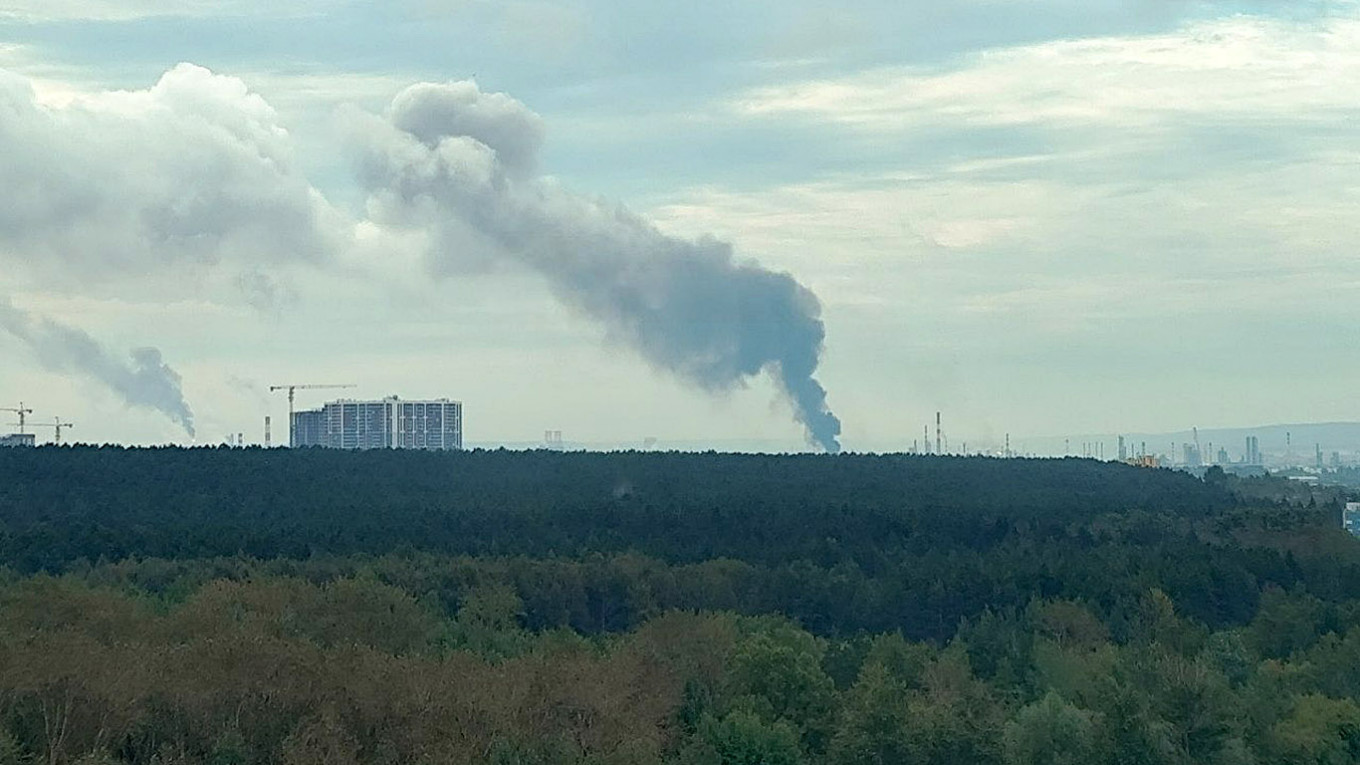
Fifteen million metric tons of annual crude-processing capacity is now offline at Russia’s NORSI refinery, with no announced date for restarting it. The facility in Kstovo stopped processing crude on August 26 after what regional officials and Ukraine described as a drone attack. The shutdown removes one of Russia’s largest fuel-production sites from service for an unknown period.
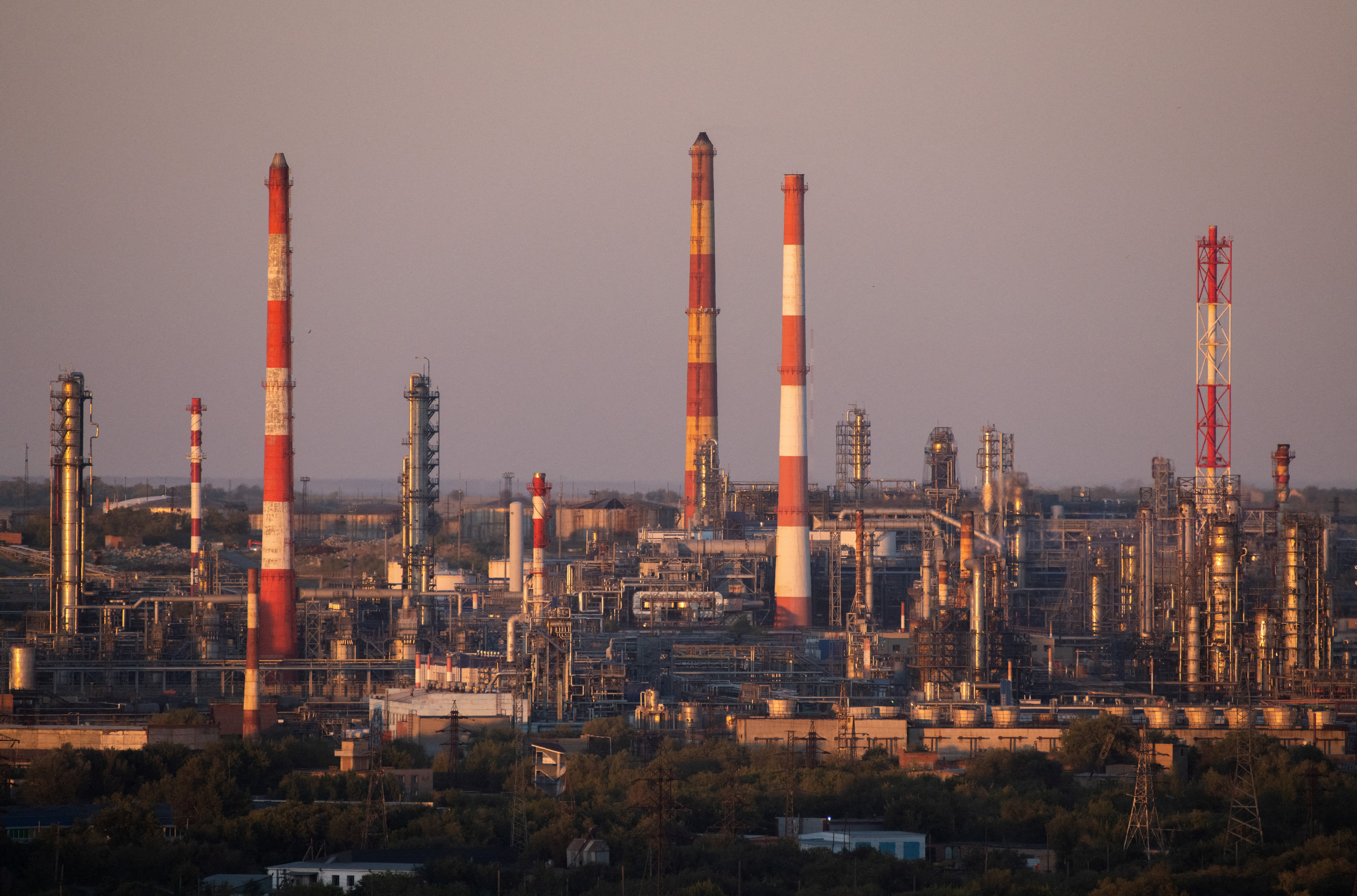
NORSI, formally the Lukoil-Nizhegorodnefteorgsintez refinery, is Russia’s fourth-largest oil refinery and its second-largest gasoline producer. Its stated annual capacity includes about 5 million tons of gasoline, more than 5 million tons of diesel, 2 million tons of fuel oil and approximately 500,000 tons of bitumen. Those figures describe potential production rather than the amount that would have been produced during the shutdown, but they show why the missing repair schedule matters.
The circumstances and extent of the damage remain partly attributed. Nizhny Novgorod regional Governor Gleb Nikitin said a drone attack damaged an unspecified industrial facility. Ukraine’s General Staff later identified that facility as NORSI and said the strike caused a fire. Industry sources cited by Reuters said processing had stopped, but they could not say how long repairs would take or when crude operations would resume. Lukoil did not comment.
Capacity is not the same as immediate fuel loss
A refinery’s annual nameplate capacity cannot be converted directly into a prediction of shortages. Actual consequences depend on its operating rate before the interruption, inventories, the condition of processing equipment, the duration of repairs and the ability of other plants or imports to replace particular fuels. No confirmed information establishes a nationwide gasoline or diesel shortage caused by the NORSI shutdown.
Even with that limitation, a complete halt to crude processing has an industrial consequence beyond the initial damage claim. Refineries turn crude into multiple products through linked processing, utility and handling systems. Bringing a large plant back requires inspection, repair and verification before normal throughput can resume. Without a schedule, distributors and industrial planners cannot know whether NORSI represents a short interruption or a prolonged loss of production.
The product mix also makes the outage more consequential than a crude-capacity figure alone suggests. Gasoline and diesel together account for more than 10 million tons of NORSI’s stated annual output capacity. Fuel oil and bitumen connect the refinery to additional industrial and infrastructure demand. Replacement therefore involves supplying several product streams, not merely redirecting an equivalent quantity of crude oil.
A wider refining constraint
NORSI’s shutdown comes amid reported interruptions at Lukoil’s other major Russian refineries. The Perm refinery reportedly stopped working after an August 21 drone attack, while the Volgograd refinery had stopped on July 31. All of Lukoil’s major Russian refining sites were consequently reported out of operation, although the duration and precise operating condition of each facility may differ.
That concentration changes the planning problem. A single refinery outage may sometimes be absorbed through inventories, adjusted runs elsewhere or product transfers. Simultaneous outages reduce the number of internal alternatives available to a producer. They can also increase inspection and repair demand across multiple sites at the same time, placing pressure on maintenance personnel, replacement equipment and restart sequencing.
Broader data show that Russia’s refining system was already operating under constraint. The International Energy Agency’s August 2026 Oil Market Report reduced its estimate for Russian refinery runs in the third quarter by another 370,000 barrels per day. Separately, Vortexa estimated that Russia’s seaborne gasoline imports reached roughly 125,000 barrels per day in August, a record level, while diesel and gasoil exports remained sharply below their five-year seasonal average.
Those figures provide context, but they do not isolate NORSI’s individual effect. Refinery output, imports, exports, inventories and domestic priorities interact across the fuel system. The most defensible conclusion is narrower: taking a plant of NORSI’s scale offline removes substantial conversion capacity when Russian refinery runs are already reduced.
Repeated attacks create a readiness burden
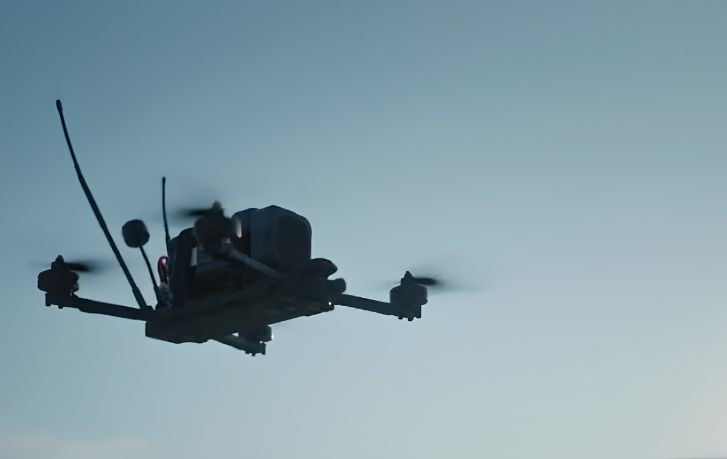
As of August 14, Ukrainian drones had reportedly attacked nearly one-third of Russia’s large oil refineries. Vortexa counted 32 attacks across July and August, or about one every other day. Without examining strike methods or facility vulnerabilities, that frequency demonstrates the protection and readiness challenge facing geographically distributed industrial infrastructure.
Defending many fixed sites requires sustained surveillance, warning and response coverage, while refinery operators must maintain emergency procedures and recovery capacity. Repetition can matter as much as any single event because industrial readiness depends on keeping enough plants operating while others undergo inspection or repair. The available information does not establish how particular defenses performed at NORSI, and no such conclusion should be drawn from the shutdown alone.
The next meaningful milestone is therefore not another capacity estimate but a verified restart schedule. Until inspections define the repair scope and Lukoil indicates when crude processing can resume, Russia’s fourth-largest refinery and capacity for roughly 5 million tons of gasoline and more than 5 million tons of diesel annually remains outside the operating system with no confirmed return date.
| More aerospace and engineering stories, right in your MSN feed. Follow AMI on MSN |
By Stephen Wallace — Editor for AMI’s aerospace integration and unmanned mobility coverage, focused on drone manufacturing, VTOL systems, autonomous networks, and air-ground mobility links.