CSIS Estimates Patriot Inventory Fell From 2,330 to 759, Recovery by 2030
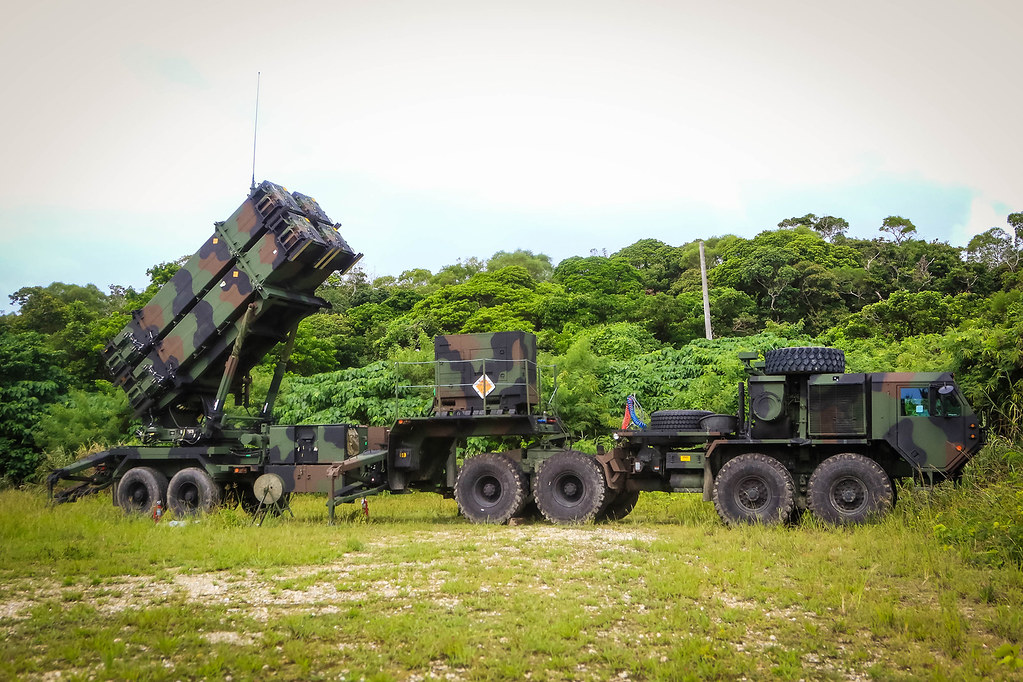
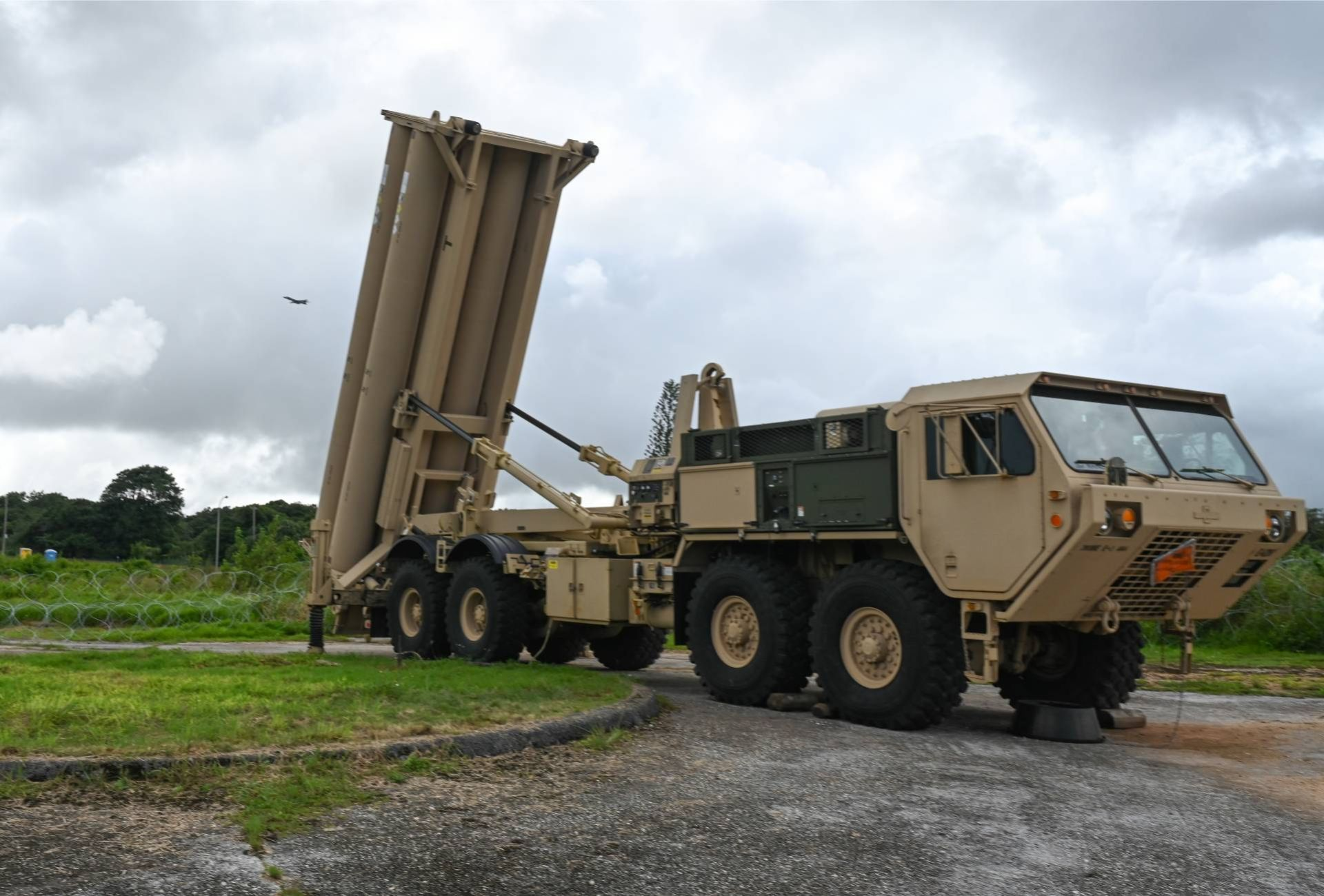
Money can authorize more missile interceptors, but it cannot make qualified factories, specialized machinery and trained workers appear on the same schedule. That gap is now central to the U.S. effort to replenish Patriot and Terminal High Altitude Area Defense, or THAAD, inventories after a sharp estimated decline.
A July 27 assessment by the Center for Strategic and International Studies estimated that the U.S. Patriot inventory fell from 2,330 missiles on February 27 to between 759 and 827 on July 27. It put the THAAD inventory at 234 to 278 interceptors, down from 452. These are analytical estimates, not official stockpile disclosures. President Donald Trump disputed reports that inventories were depleted, while Defense Secretary Pete Hegseth said stockpiles were getting stronger.
Even so, the delivery calendar illustrates the industrial problem. Fiscal 2027 procurement would not begin producing deliveries of newly purchased THAAD interceptors until mid-2029, according to budget information examined by CSIS. Patriot missiles purchased through fiscal 2027 procurement would begin arriving in May 2029. CSIS projected that replacement of the estimated THAAD expenditure would be completed by the end of 2029, while analyst Mark Cancian said Patriot inventory would not return to its earlier level until 2030.
Higher production goals do not erase the delivery lag
The Pentagon has since moved to expand the production base. On August 31, the department announced seven-year framework agreements with General Dynamics Ordnance and Tactical Systems and Lockheed Martin. The stated goals are to triple production capacity for the Patriot Advanced Capability-3 Missile Segment Enhancement interceptor and quadruple capacity for THAAD.
Those targets matter, but capacity is not the same as delivered inventory. Funding under the frameworks remains subject to annual appropriations, and suppliers still must expand workforces, buy materials, install tooling and upgrade facilities. The agreements provide a longer demand signal intended to make those investments less risky, but the physical production system must still be built and qualified.
That distinction explains why a large procurement request can coexist with deliveries several years away. Cancian said interceptors arriving now were generally funded in 2023 and 2024. Earlier budget documents also projected no THAAD deliveries between August 2023 and April 2027, leaving little near-term production available to close a sudden inventory gap.
Legacy performance came with a manufacturing cost
Patriot and THAAD are not products that can be shifted onto a generic assembly line. Jerry McGinn of CSIS described established missile systems as designs optimized principally for performance, not high-volume producibility. Increasing output therefore involves more than asking the final assembly contractor to run additional shifts.
Suppliers for propulsion, structures, seekers and other specialized components must raise output in step. New sources need manufacturing processes, quality controls and qualification before their hardware can enter an interceptor. A delay at one constrained supplier can limit the entire line, even when other components are available.
The structure of the defense industry adds another boundary. A Defense Department report cited in the assessment said the sector had consolidated from 51 aerospace and defense prime contractors to five. Prime-contractor count alone does not measure every supplier constraint, but consolidation can leave fewer established production paths for complex weapons built around specialized processes.
New plants also have unavoidable lead times. The Army has broken ground on facilities in Oklahoma and Iowa and opened an artillery plant in Kansas. Those projects show that industrial investment is underway, but construction is only an early stage. Permitting, equipment installation, worker training and production qualification all come before useful output.
There is no direct substitute waiting on the shelf
The schedule is especially consequential because Cancian identified Patriot and THAAD as the most difficult reported shortages to manage, saying there are no good substitutes. Other defensive systems may address different threat classes or operating ranges, but they do not automatically replace the functions purchased with these interceptors.
Overseas co-production could eventually broaden supply, but it remains a prospective measure rather than an operating replenishment line. It would also require its own agreements, tooling, workforce development and qualification.
The new seven-year production frameworks are therefore a capacity-building decision, not an immediate inventory reset. Their success will be measured not by the announced tripling and quadrupling goals alone, but by when qualified suppliers convert those targets into accepted interceptors. On the currently reported schedule, the most important deliveries still begin in 2029 and the estimated Patriot recovery extends into 2030.
| More aerospace and engineering stories, right in your MSN feed. Follow AMI on MSN |
By David Whitaker — Associate editor for AMI’s aerospace and drone systems desk, translating flight systems, aircraft programs, spaceflight, and UAV developments into accessible technical stories.