


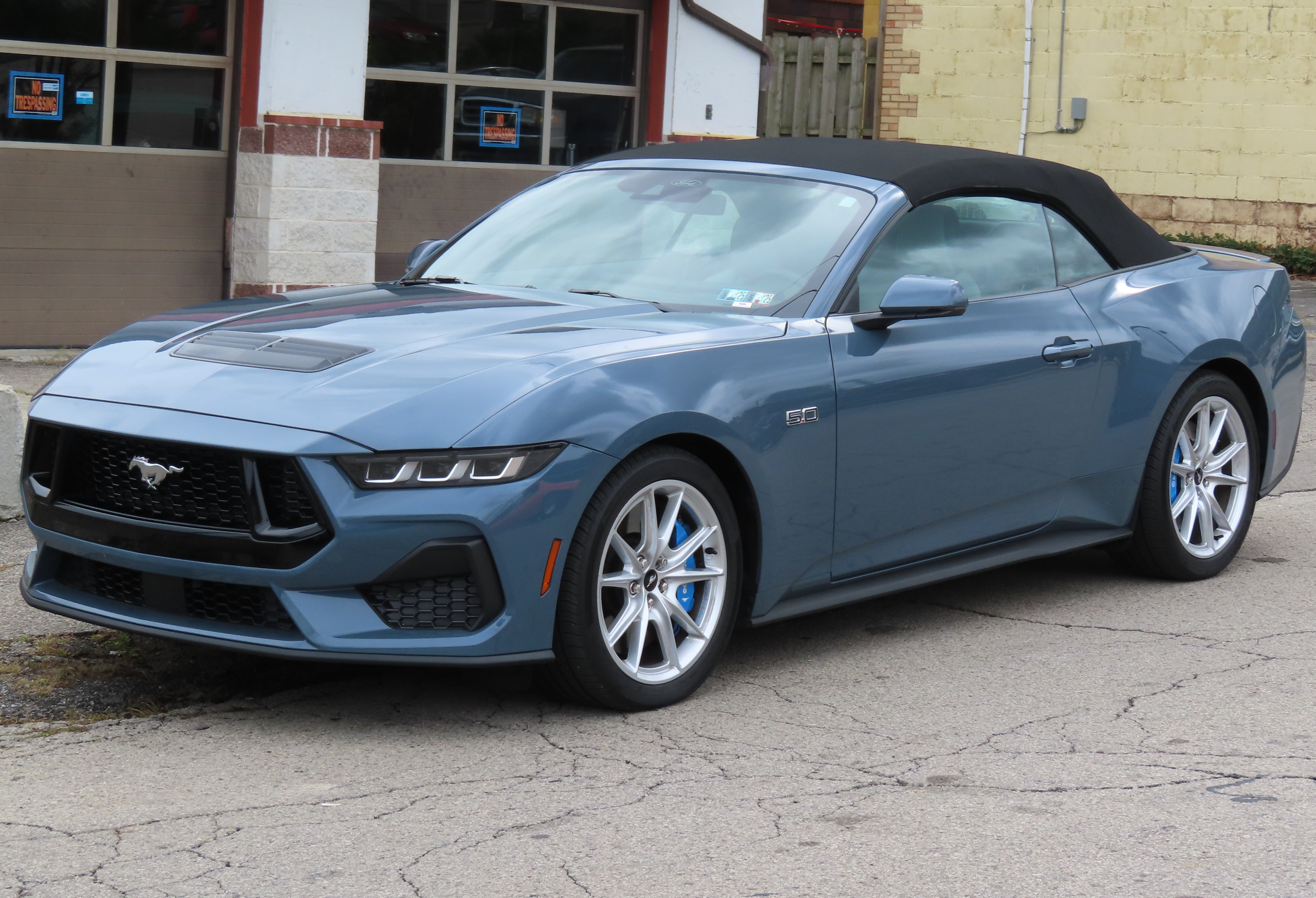
Ford Recalls 148,663 Mustangs; Repairs Expected in March 2027
Ford Mustang owners face an unusual timing gap: a safety warning is arriving now, but the planned repair is not expected to become available until March 2027. Ford is recalling 148,663 Mustangs from model years 2024 through 2026 because engine-compartment electrical ground terminals may fracture, potentially cutting drive power or disabling headlights and other systems.

The campaign was logged with the National Highway Traffic Safety Administration on August 25, 2026, as recall 26V547000. It became searchable by vehicle identification number on August 28, and interim notification letters were expected to begin going out August 31. Owners can enter a vehicle’s 17-character identification number in NHTSA’s recall lookup tool to determine whether a specific Mustang is included.
The reported consequences extend across functions that may not appear related at first: drive power, headlights, windshield washing, air conditioning and the engine cooling fan. That list does not mean every function will necessarily fail at once. It identifies systems that can be affected when their shared electrical return path is interrupted.
Why one ground terminal can affect several systems
A vehicle electrical circuit needs both a supply path and a return path. Instead of running a separate return wire from every motor, lamp, controller and accessory directly to the battery, automakers commonly use the vehicle’s chassis, body or engine as a shared ground network. Nearby circuits can connect to that network through a common bolted terminal.
This architecture reduces wiring length, mass, packaging demands and assembly complexity. The tradeoff is concentration: a single connection can serve multiple circuits. If the Mustang’s affected terminal fractures, systems connected through that point may lose a reliable return path even when their individual components and power feeds remain intact.
That common-ground architecture explains how a propulsion-related interruption and losses of lighting, washing, cooling or climate functions can trace back to the same hardware category. It also shows why electrical integration must be evaluated at the connection level, not only by testing each device independently. A terminal is mechanically simple, but it sits at the boundary between vibration, structural mounting, wiring loads and electrical continuity.
The safety consequences also differ by function. Loss of drive power affects a driver’s ability to maintain propulsion. Headlight or windshield-washer loss can reduce visibility under relevant operating conditions. A disabled cooling fan can interfere with engine temperature management, while air-conditioning loss primarily affects cabin climate. The recall information identifies these as possible outcomes without saying that every affected vehicle will experience a failure.
Notification can precede an available remedy
The filing identifies noncompliance with Federal Motor Vehicle Safety Standard 108, which covers lighting, and Standard 104, which covers windshield wiping and washing. Those findings bring the visibility-related functions within specific federal performance requirements rather than treating the issue solely as a customer-satisfaction concern.
Federal notification rules help explain why owners can receive a recall letter before dealers have the repair available. Under 49 CFR § 577.7, required owner notification generally must be furnished no later than 60 days after a manufacturer files its defect or noncompliance report. If the remedy is unavailable at that point, the manufacturer must issue another notification within a reasonable time once it becomes available.
That process prioritizes early disclosure of a safety issue, but it does not eliminate the practical frustration of a long parts or service delay. In this case, the expected March 2027 remedy date leaves a period of several months during which affected owners may know their Mustang is covered without having a repair they can schedule.
Ford’s planned remedy is for dealers to replace the affected engine-compartment wiring-harness ground terminals at no charge. The specified repair targets the connections rather than requiring replacement of the entire wiring harness, limiting the service operation to the identified failure point. Until those repairs become available, the defining issue is not simply the scale of the 148,663-vehicle recall, but the separation between an immediate federal safety notice and a ground-terminal fix expected in March 2027.
| More aerospace and engineering stories, right in your MSN feed. Follow AMI on MSN |
By Thomas Caldwell — AMI’s senior editor for mechanical and mobility engineering, covering vehicle electronics, systems integration, electrification, chassis systems, propulsion, and safety policy.




