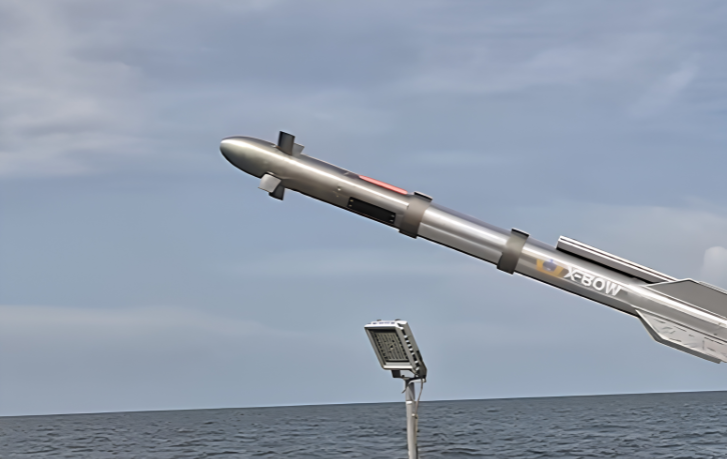
X-Bow Gets Nearly $11 Million to Test a Sub-$750,000 Interceptor
A missile interceptor priced below $750,000 sounds inexpensive only by the standards of missile defense. The Pentagon has awarded X-Bow Systems nearly $11 million to find out whether that target can survive the demands of propulsion development and flight testing. The two-year, $10.9 million award moves the company toward a prototype flight demonstration planned for late 2027.
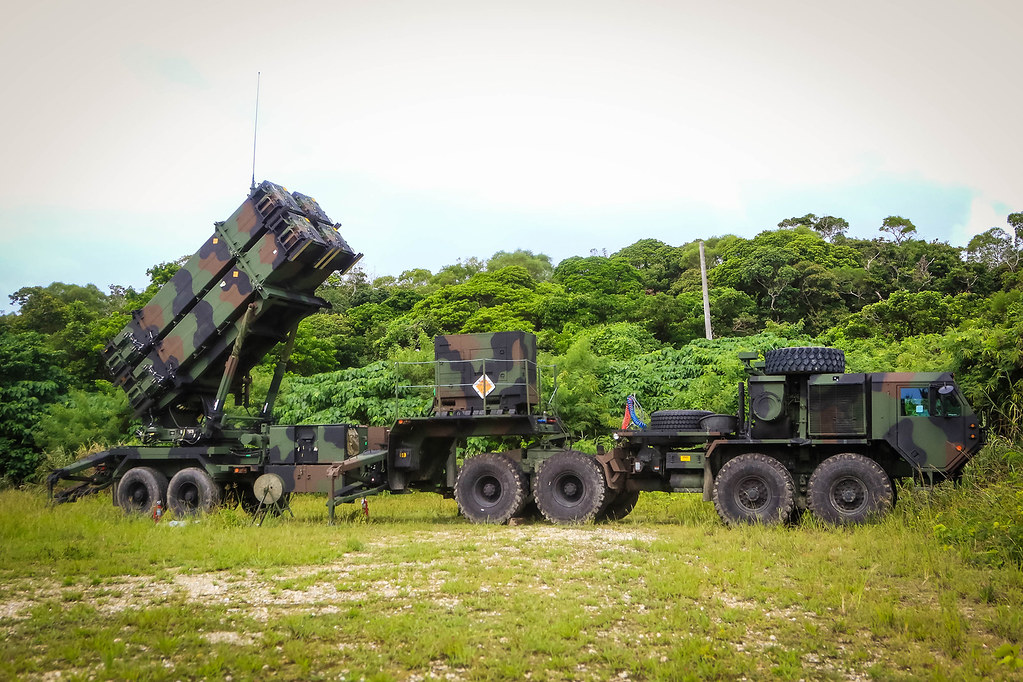
The price gap explains the interest. A Patriot replacement round was cited at approximately $3.9 million, making X-Bow’s target roughly one-fifth as expensive. But that comparison is a cost benchmark, not proof that the proposed interceptor can replace Patriot or perform the same missions. The 2027 article will be a prototype rather than a fully operational weapon, and testing must still establish what performance is available at the lower price.
The contract falls under the Missile Defense Agency’s Rapid Response Small Launcher Technology program and continues work on propulsion before the planned demonstration. Affordability is the central design constraint: the agency’s solicitation called for an interceptor costing less than $750,000 while accepting a slightly reduced performance rate. The unresolved issue is where that reduction occurs and whether the resulting system still meets the operational requirements assigned to it.
Why producing the motor internally matters
X-Bow’s main technical proposition is vertical integration. The company produces its solid rocket motors and propellant internally instead of treating the motor as a major externally supplied subsystem. That can remove supplier handoffs, shorten redesign cycles and give one manufacturer more direct control over the relationship among propellant, motor and interceptor configuration.
Those advantages are plausible manufacturing benefits, but they do not automatically produce a $750,000 round. Propulsion is only one part of an interceptor’s cost. Guidance, control, airframe hardware, electronics, integration, quality assurance and testing also contribute to the final price. Missile Defense Agency Director Lt. Gen. Heath Collins described the effort accordingly: “We’re taking a look at propulsion, we’re taking a look at all the expensive parts of an interceptor to look for opportunities to drive down every bit of cost.”
Vertical integration also shifts responsibility. Buying fewer major elements from outside suppliers may reduce coordination costs, but X-Bow must demonstrate that its internal production processes can deliver repeatable hardware at the required quality and volume. For solid propulsion, a promising manufacturing method becomes an industrial capability only when production consistency, inspection and test results hold across multiple units.
The contract is also buying another supplier
The Pentagon’s objective extends beyond the price of one prototype. The department said the award is intended to expand a solid-rocket-motor industrial base currently reliant on two primary manufacturers. Bringing in another credible producer could give U.S. programs more sourcing options and additional capacity, even if the first interceptor does not immediately become a deployed system.
That distinction matters for taxpayers and established suppliers alike. Public money is initially funding development and demonstration, not purchasing a proven inventory at the advertised target price. X-Bow gains an opportunity to validate its production model, while the government assumes the normal risk that a prototype may require redesign, cost more than planned or fall short of operational requirements.
The cost target also needs a consistent basis before comparisons become definitive. A prototype’s demonstrated manufacturing cost, a future production unit price and the complete cost of fielding and supporting a weapon are different measures. Production quantity can change the economics substantially, while qualification and evaluation costs do not disappear merely because the motor is made internally.
Other efforts show that the target is part of a broader affordability push rather than an isolated claim. Europe’s Freyja interceptor effort has been associated with an estimated cost of about $700,000 per round. Lockheed Martin has proposed its PAC-3 ACE concept as a less expensive alternative to current Patriot versions, and the U.S. Air Force previously sought proposals for a counter-air missile below $500,000. All remain comparisons or program goals; none demonstrates that X-Bow has already delivered its intended combination of price and performance.
The decisive milestone is therefore the late-2027 flight demonstration. It should provide the first substantial test of whether X-Bow’s internally produced propulsion can support a credible interceptor prototype. Until then, the sub-$750,000 figure remains a procurement target and the $10.9 million contract is the price of finding out whether the manufacturing approach can move it closer to reality.
| More aerospace and engineering stories, right in your MSN feed. Follow AMI on MSN |
By David Whitaker — Associate editor for AMI’s aerospace and drone systems desk, translating flight systems, aircraft programs, spaceflight, and UAV developments into accessible technical stories.