Airbus Resumes A330neo Deliveries After Tail Checks Halt Two Months of Handovers
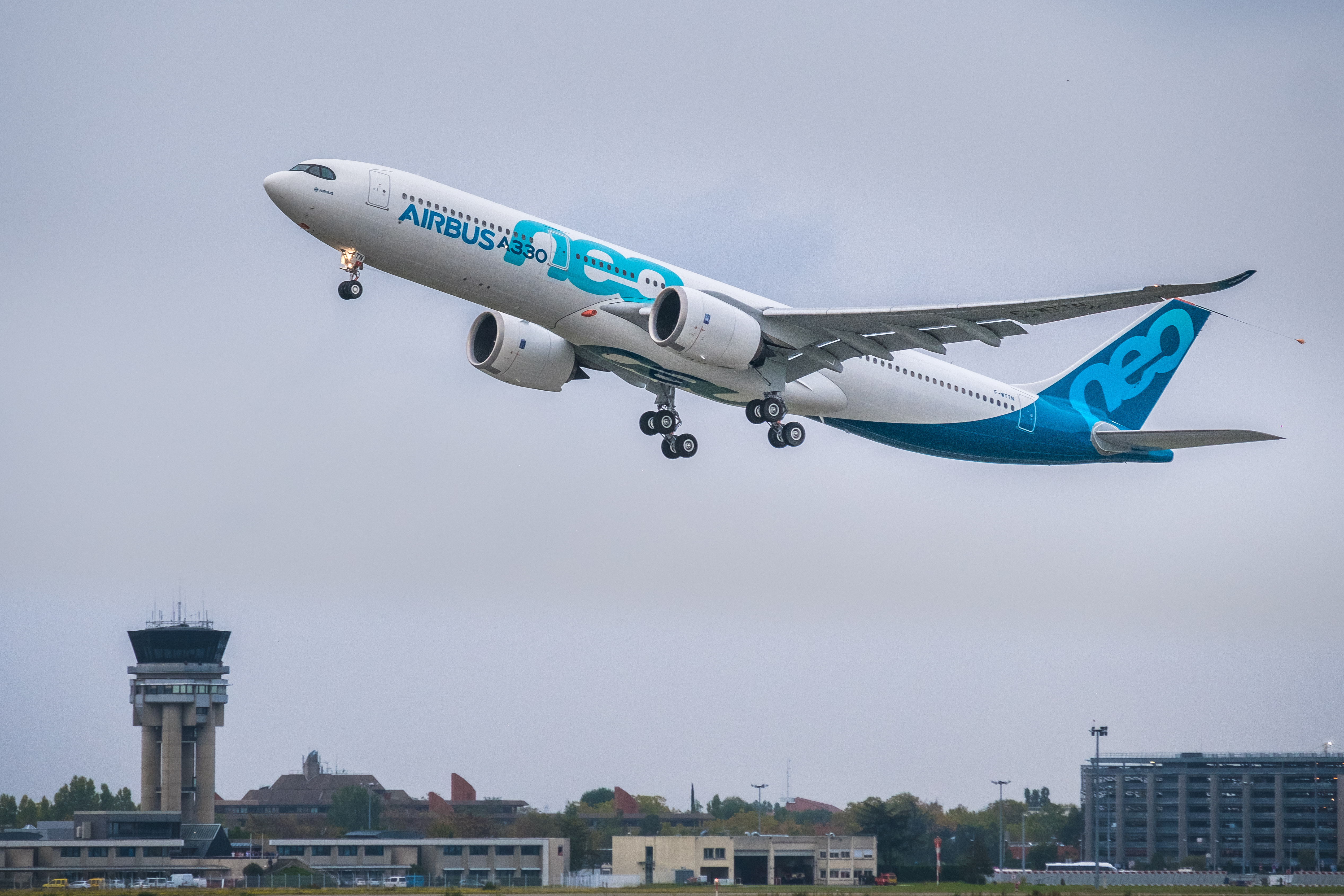
Airbus has resumed A330neo deliveries after additional horizontal-tail inspections coincided with two consecutive months without a single handover. The manufacturer delivered no A330neos in June or July, followed by one aircraft to Starlux Airlines in August, according to its monthly orders and deliveries data.

Airbus said on September 3 that production checks had identified an isolated quality issue involving manufacturing work on an A330 horizontal tail plane. Affected aircraft in production had to undergo additional inspections before they could be released to operators. The company said the root cause is identified, and A330 deliveries have resumed.
The interruption was substantial relative to the program’s recent output. Airbus delivered nine A330neos across March, April and May, then none during the following two months. The manufacturer builds roughly four A330neos per month and plans to raise that rate to five per month by 2029.
Why the horizontal tail required clearance before delivery
The horizontal tail plane, also called the horizontal stabilizer, is a primary aircraft structure that provides longitudinal stability. It also carries the elevators, the movable control surfaces used to command aircraft pitch.
That role does not establish that the unidentified production problem would have caused a control or safety issue. It does explain why confirming that the completed structure conformed to manufacturing specifications became a prerequisite for handing aircraft to customers. A delivery inspection has to establish that the specific aircraft matches its approved design and production requirements, regardless of whether the wider in-service fleet is affected.
Airbus said the checks did not raise safety concerns for A330s already operating with airlines. It has not disclosed the precise defect, how many aircraft required inspection or how many needed rework. Without those details, it is not possible to determine the defect mechanism, the corrective work performed or whether every delayed aircraft required the same intervention.
The distinction between production containment and an in-service safety action matters. Airbus has described an isolated manufacturing quality issue affecting aircraft in the production process, not a fleetwide operational problem. The confirmed consequence was a sharp reduction in handovers while inspections were completed.
A delivery pause extends beyond the factory
For an airline, a widebody delivery is tied to more than possession of the aircraft. Entry-into-service planning can include crew training, maintenance preparation, cabin acceptance and allocation of the jet to a route network. A delayed handover can require an operator to retain an older leased aircraft, revise route plans or postpone a service launch.
Those are potential consequences rather than confirmed actions by any named A330neo customer. Airbus has not publicly identified which airlines were affected by the summer slowdown, and there is no confirmed indication that a specific operator changed a route, lease or launch date because of these inspections.
The production effect also arrives as Airbus works toward a 2026 target of approximately 870 commercial-aircraft deliveries, a goal it reaffirmed with its July half-year results. The A330neo has a backlog of roughly 400 aircraft and competes with the Boeing 787 in the midsize long-haul market, making the pace of completed handovers important to both Airbus and airlines planning fleet renewal.
Other constraints within Airbus production remain separate from this issue. Pratt & Whitney engine availability affects parts of the A320neo-family program, while supplier-provided cabin equipment and structural components have also contributed to broader delivery pressure. Those constraints do not establish a cause for the A330neo tail inspections, but they narrow the manufacturer’s room to recover delayed output elsewhere.
Resuming deliveries closes the immediate production hold, not the information gap around it. Airbus has confirmed the component involved, the additional inspections and the identification of a root cause. It has not said what the defect was, how large the affected group became or how much rework was necessary details that will determine how quickly a program producing about four aircraft per month can clear the accumulated handovers.
| More aerospace and engineering stories, right in your MSN feed. Follow AMI on MSN |
By Thomas Caldwell — AMI’s senior editor for mechanical and mobility engineering, covering vehicle electronics, systems integration, electrification, chassis systems, propulsion, and safety policy.