Ukrainian Drone Strikes Push Russia to Import Gasoline as Six Regions Restrict Sales
Russia remains a leading producer of crude oil, but repeated Ukrainian long-range drone strikes have disrupted the refineries needed to turn that crude into usable fuel. The resulting processing shortfall has pushed Russia to import finished gasoline, seek refining capacity in Kazakhstan and tighten fuel-sale restrictions in at least six regions.

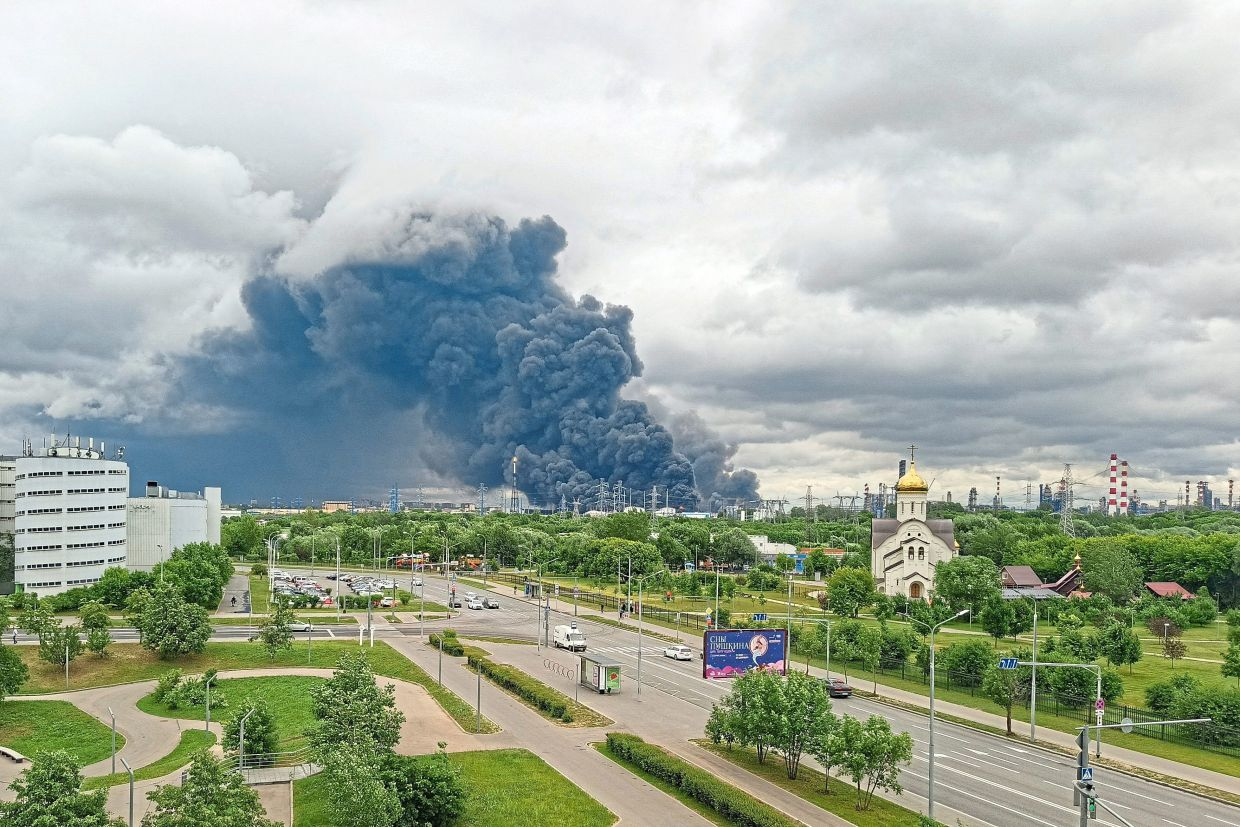
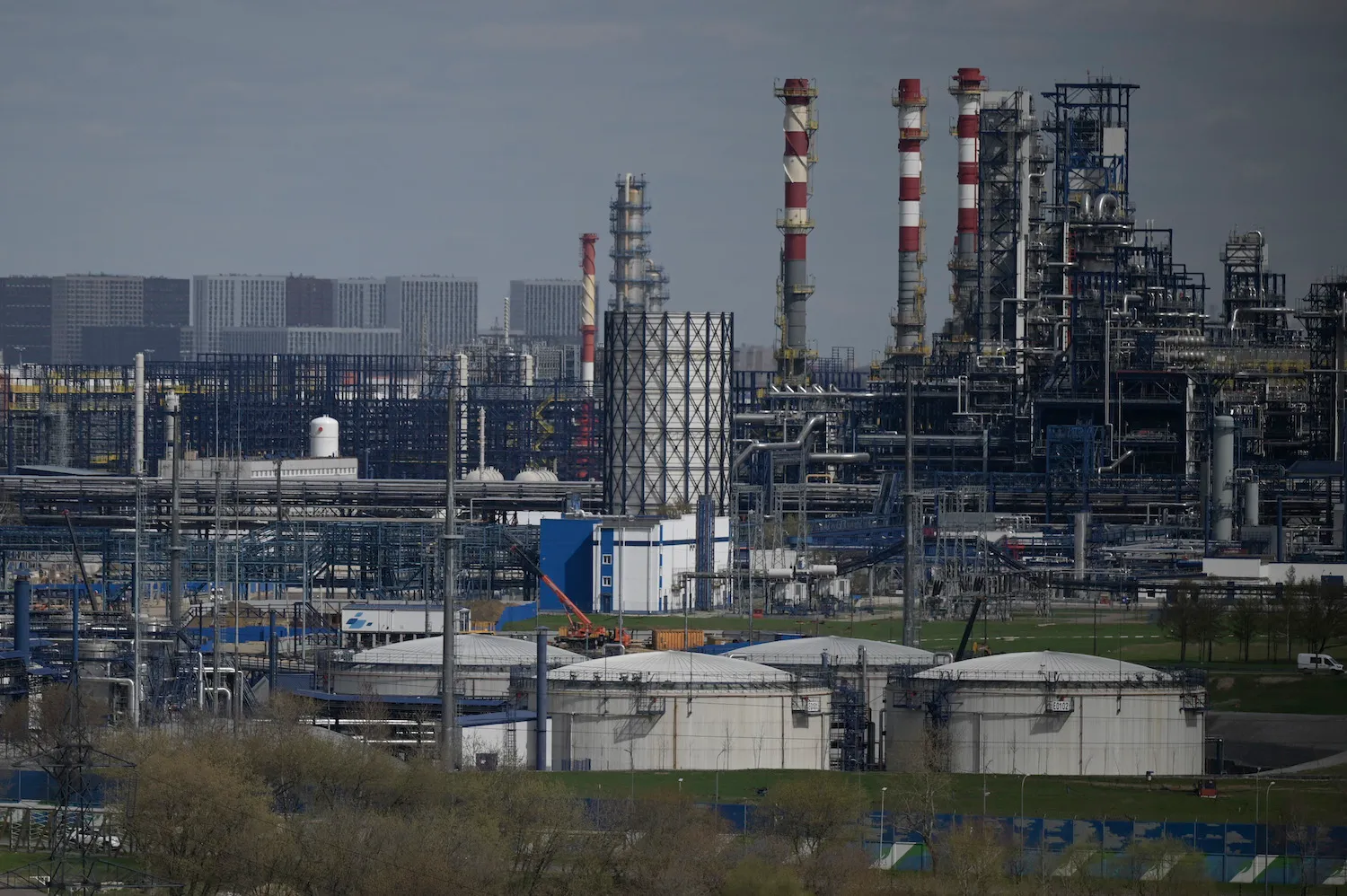
The distinction between crude and gasoline is central to the disruption. Russia is not running out of oil in the ground; it is losing or interrupting portions of the industrial system that converts oil into motor fuel. Reporting counted 18 attacks on Russian refineries in August, matching July’s total, while a new series of strikes completely shut the Orsk refinery. Industry analysts estimated that refinery output had already fallen 28% before the latest intensification.
Crude production cannot replace refinery capacity
A refinery outage creates a mismatch that upstream oil production cannot solve by itself. Crude must pass through multiple processing and blending stages before it becomes specification-compliant gasoline. When that conversion capacity is unavailable, additional crude inventories do not directly supply filling stations.
Russia’s response illustrates the limited set of near-term substitutes. It can restore domestic plants, reduce exports, draw more fuel from neighboring suppliers or import finished products by sea. Each option moves the constraint elsewhere: into repair schedules, government controls, foreign production capacity, rail access or tanker availability.
The most visible shift is at sea. Russia purchased 200,000 barrels of gasoline loaded at Mersin, Turkey, for transport aboard the sanctioned tanker Wendrix. It was the fifth confirmed seaborne vehicle-fuel delivery of the summer. Four previous cargoes routed through Egypt from India’s Vadinar refinery totaled 1 million barrels. S&P Global’s shipping analysis described the Turkish shipment as a new supply route within a seaborne import network that had already exceeded 1 million barrels since late July.
Those cargoes demonstrate flexibility, but they also add logistical steps compared with gasoline produced and distributed domestically. Imported fuel must be sourced from an available refinery, loaded onto a vessel, transported to Russia and then moved into the inland distribution system. Maritime deliveries can supplement supply, but they do not reproduce the location, output rate or established connections of an operating domestic refinery.
Kazakhstan adds capacity with a rail constraint
Russia has also reached an agreement for the Kondensat refinery in western Kazakhstan to process Russian crude. Around 70% of the resulting fuel is expected to return to Russia. That arrangement effectively exports part of the refining task instead of purchasing only finished gasoline.
Its practical limit is transportation. Kondensat is not connected to a Russian oil pipeline, so the feedstock must arrive by rail. The arrangement therefore depends not only on refinery availability but also on rail scheduling, loading infrastructure and the ability to move the finished product back across the border. It provides incremental processing capacity, not a direct replacement for a large pipeline-fed refinery inside Russia.
Belarus offers another established supply channel. Russian fuel imports from Belarus in June were reportedly 141 times their level in June of the previous year. That increase shows how a domestic processing disruption can propagate across borders, drawing on allied production and transport networks that would otherwise serve different customers or markets.
Repeated attacks create cumulative readiness pressure
For unmanned-aircraft analysis, the significant figure is not any single strike but the repetition: 18 reported refinery attacks in August after the same number in July. A sustained campaign can impose continuing demands on plant inspections, repairs, operating decisions and protective resources even when the outcome at each facility differs. Public reporting does not establish a uniform damage level across all attacks, so the reported attack count should not be treated as a count of destroyed refineries.
The same caution applies to air-defense effects. Repeated long-range drone activity creates readiness pressure because authorities must monitor and protect a geographically distributed industrial network. The available information does not establish interception rates, defensive deployments or a direct relationship between any particular defense decision and a refinery outage.
The confirmed market consequence is narrower but substantial. At least six regions reinstated or tightened gasoline-sale restrictions in August despite expanding imports and foreign processing. Deputy Prime Minister Alexander Novak said officials were monitoring conditions continuously and meeting twice weekly with regional authorities and companies: The situation is changing every day.
That frequency of coordination underscores the systems problem. Seaborne gasoline, Belarusian supply and rail-fed refining in Kazakhstan can soften a shortfall, but every substitute introduces another border, carrier or external plant into the fuel chain. As long as domestic processing remains interrupted, Russia’s large crude output does not eliminate the immediate constraint facing motorists: gasoline must still come from an operating refinery somewhere.
| More aerospace and engineering stories, right in your MSN feed. Follow AMI on MSN |
By Stephen Wallace — Editor for AMI’s aerospace integration and unmanned mobility coverage, focused on drone manufacturing, VTOL systems, autonomous networks, and air-ground mobility links.