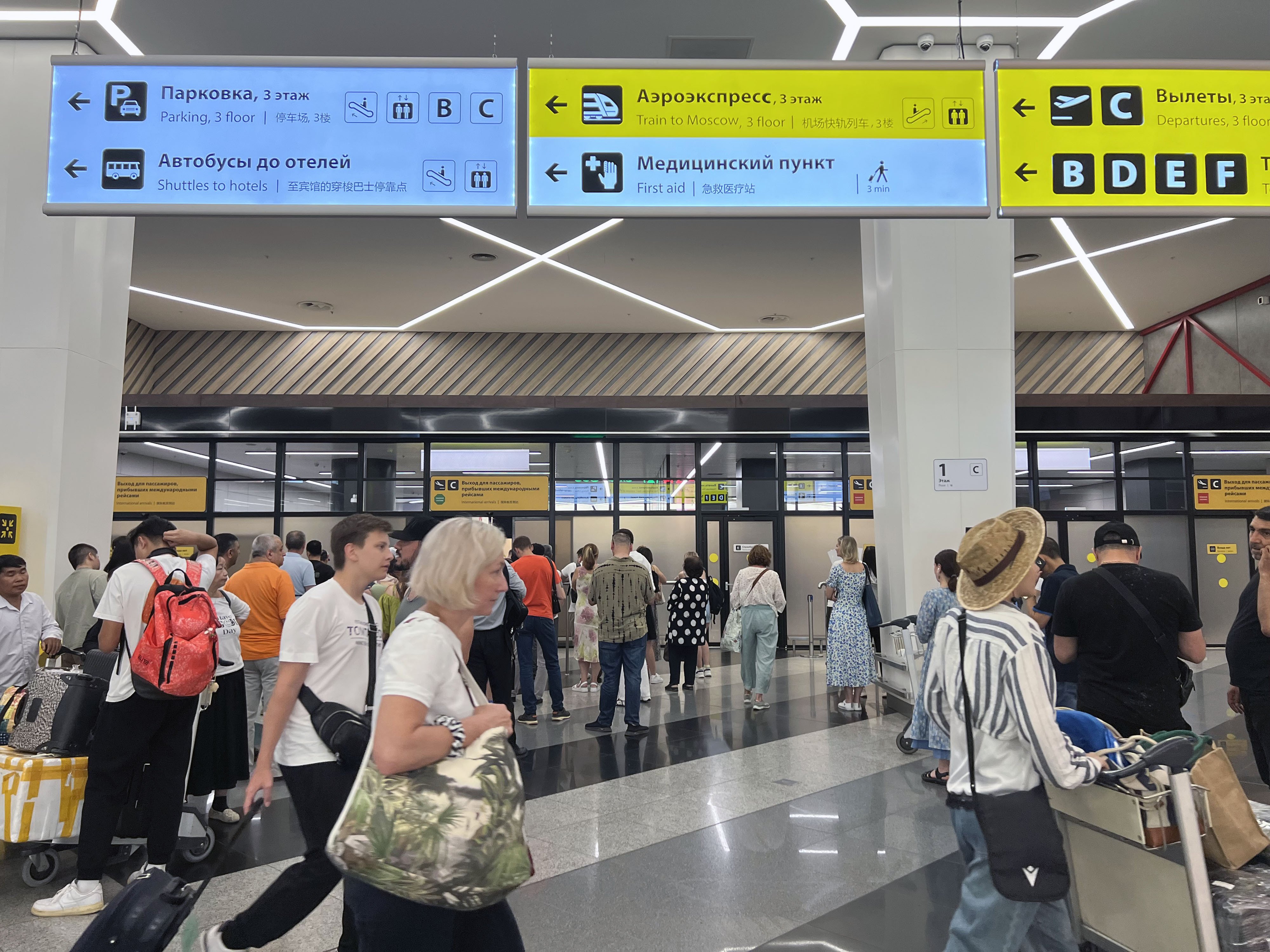
Ukrainian Drone Alerts Disrupt Moscow Airports, Delay or Cancel Hundreds of Flights
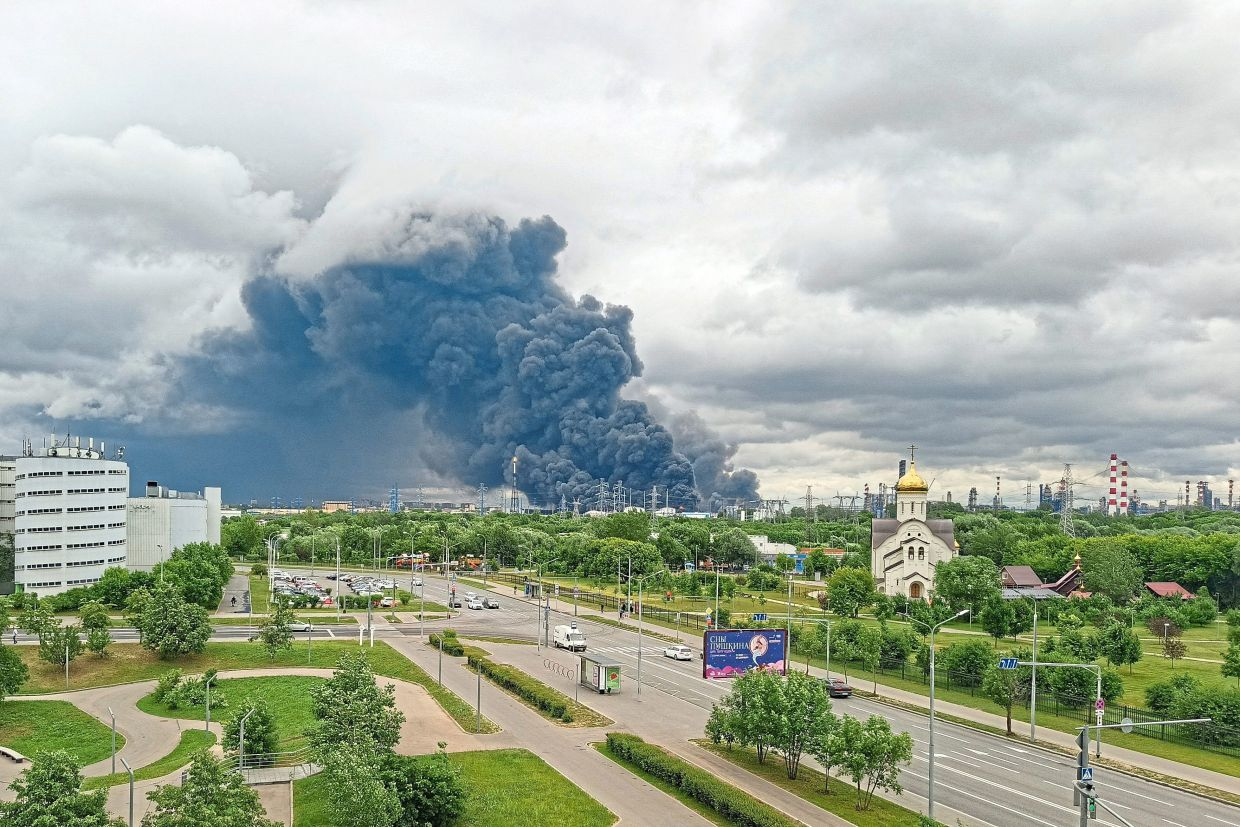
An airport does not need to suffer physical damage for a drone alert to disrupt hundreds of passenger services. When authorities stop departures, restrict arrivals or divert inbound aircraft, the immediate safety measure displaces airplanes and crews. That disruption can then continue after restrictions are lifted, as Moscow’s airport system demonstrated during renewed Ukrainian drone operations on September 2 and 3.
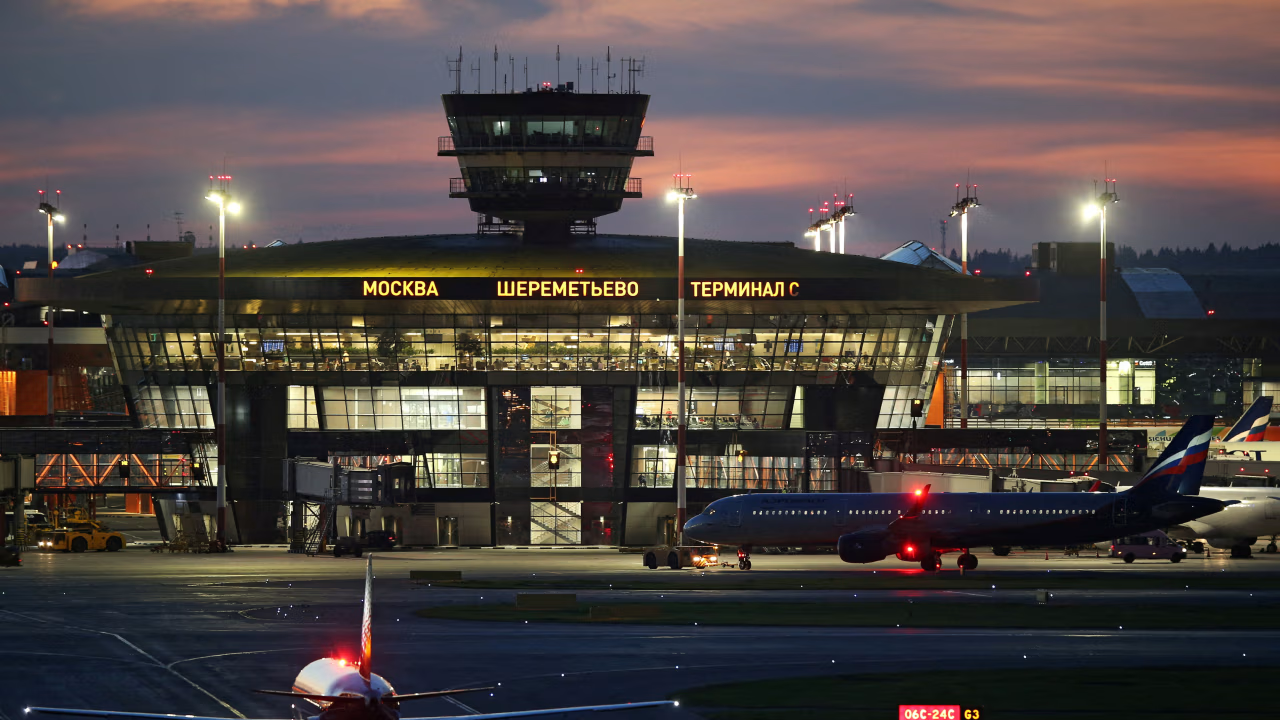
Vnukovo and Domodedovo temporarily stopped arrivals and departures, while Sheremetyevo operated under additional restrictions. Flight-tracking data showed 21 cancellations and 235 delays at Sheremetyevo on Wednesday, plus 22 cancellations and 94 delays at Vnukovo a combined 43 cancellations and 329 delays. The airline-level disruption included 12 Pegasus cancellations at Vnukovo, split between six arrivals and six departures. Pegasus cited technical and operational reasons.
The important operational boundary is that a temporary restriction and its consequences do not necessarily end together. A departure held in Moscow may miss the time planned for its next flight. An inbound aircraft diverted elsewhere is no longer positioned for its following service, and its crew may also be in the wrong location. Restoring the airport’s formal operating status therefore does not instantly restore the airline schedule built around it.
Why repeated alerts create a network problem
A single interruption can sometimes be absorbed through delays and schedule adjustments. Repeated restrictions are harder to contain because airlines must keep rebuilding plans around aircraft and crews that were already displaced by the previous interruption. Later flights may be delayed or canceled even if they were never scheduled during an active closure.
Moscow’s three principal airports also function as parts of a wider aviation network rather than isolated facilities. A delayed aircraft may affect another Russian city or an international destination on its next rotation. Diversions add another layer: the airline must decide how and when to move the aircraft, passengers and crew back into the planned network. These effects explain why passenger disruption can persist without any confirmed physical damage to an airport.
Foreign carriers face an additional planning problem. Flydubai said it was monitoring developments and adjusting schedules and routes where necessary. Such adjustments do not establish that an airline has withdrawn from Russian operations, but they show how recurrent alerts can move the issue from short-term airport management into schedule planning and route-risk assessment.
Large official numbers require careful attribution
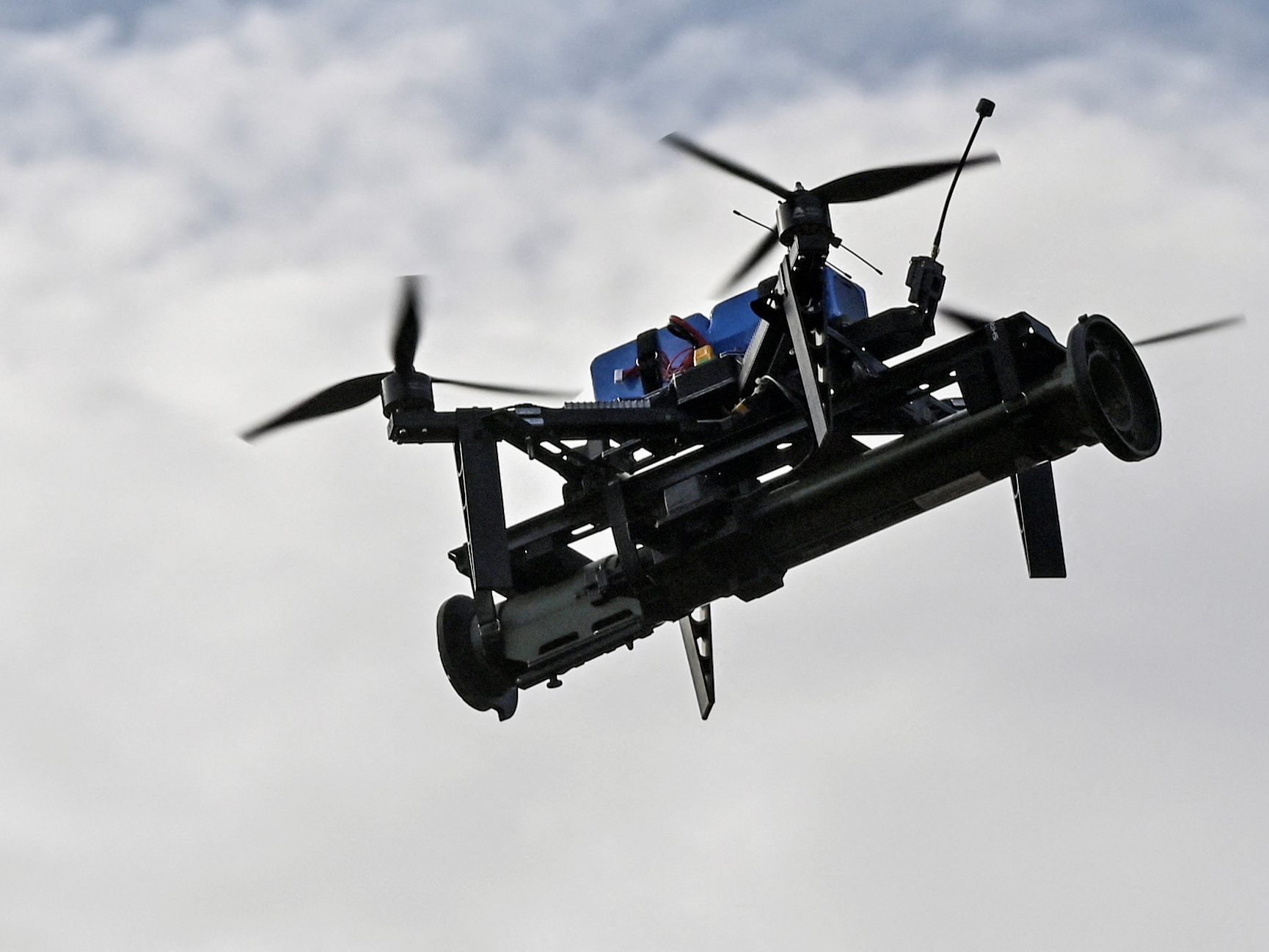
Moscow Mayor Sergei Sobyanin said 548 drones flew toward the wider Moscow region between 8 a.m. September 2 and midday September 3. Moscow authorities also said 143 were destroyed on approaches to the capital. Those figures have not been independently verified, so they cannot be treated as settled measures of the operation’s scale, interception performance or Ukraine’s drone-production capacity.
The confirmed airport restrictions still demonstrate pressure on civil-aviation readiness. Authorities must be prepared to interrupt operations when an alert is judged to present a risk, regardless of whether later claims establish how many drones were involved. More frequent interruptions increase the schedule-recovery burden, but the available information does not establish the effectiveness of Russian air defenses or reveal how each individual alert was assessed.
Russia maintains that its aviation system remains safe and operational. Transport Minister Andrei Nikitin said authorities had explained their safety procedures to foreign carriers, while civil aviation regulator Rosaviatsiya says air transport and ground infrastructure continue to operate normally, including for international airlines. The cancellations, delays and diversions show that “operational” can still include substantial temporary restrictions and passenger disruption.
Airlines and governments retain the final decision
Ukraine has asked member states of the International Civil Aviation Organization to restrict flights through Russian airspace. That notification is not an ICAO order closing the airspace: the organization cannot unilaterally close a member state’s sovereign airspace. National authorities and individual airlines retain the key operating decisions.
European and American airlines largely stopped using Russian airspace after Russia’s full-scale invasion of Ukraine in February 2022. Airlines from China, Turkey, the United Arab Emirates and other countries continue to serve Russia or cross its airspace, leaving them to weigh Russian safety assurances against repeated operational interruptions. Insurers may also reassess exposure, although no confirmed insurance change tied to the September alerts has been established.
For passengers, that institutional debate has an immediate mechanical consequence: an airport can reopen while their aircraft, crew and schedule remain displaced. If drone alerts continue to produce rolling restrictions, maintaining a nominally open aviation system will not by itself keep Moscow’s flight network running on time.
| More aerospace and engineering stories, right in your MSN feed. Follow AMI on MSN |
By Stephen Wallace — Editor for AMI’s aerospace integration and unmanned mobility coverage, focused on drone manufacturing, VTOL systems, autonomous networks, and air-ground mobility links.