Ram Plans Gas-Generator Pickup With Up to 690 Miles of Range
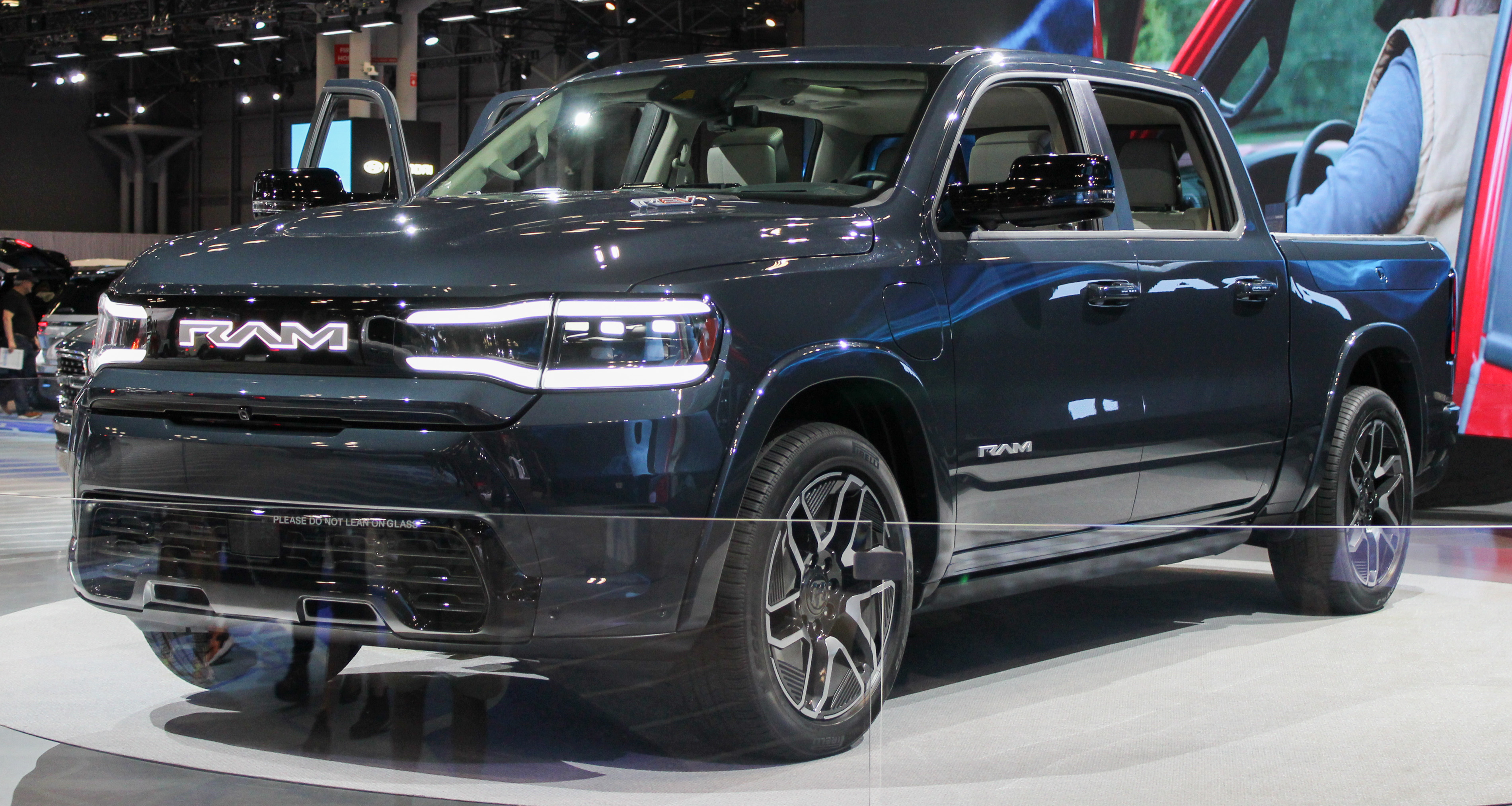
The planned Ram 1500 REV will rely on electric motors to turn its wheels, even after its large battery runs low. At that point, a gasoline V-6 will generate electricity rather than mechanically driving the pickup. Stellantis says this arrangement can deliver up to 690 miles of total range a manufacturer promise that has not yet been established as a real-world result.

That distinction makes the Ram an extended-range electric vehicle rather than a conventional hybrid. Most hybrids can route power from their engines to the wheels, directly or through a transmission. In the architecture described for this new group of trucks and SUVs, there is no mechanical connection between the gasoline engine and the wheels. Electric motors remain responsible for propulsion while the engine, generator, battery and power electronics support them.
Stellantis is not alone. Hyundai, Ford and Stellantis are preparing extended-range vehicles for the U.S. market as automakers look for a middle path between gasoline vehicles and battery-only EVs. The approach could be particularly relevant to pickups and large SUVs, where towing, payload, weather and highway speed can reduce electric range while large battery packs add substantial cost and mass.
More electric range than earlier plug-in hybrids
Stellantis aims to introduce an extended-range Jeep Grand Wagoneer later this year or early next year, followed by the Ram 1500 REV. Hyundai says an extended-range Santa Fe due in 2027 will provide about 600 miles of total driving range, and its Genesis luxury brand plans a similar vehicle.
Ford says it will transform the F-150 Lightning into an extended-range truck after ending orders for the current battery-only version. The company has not announced a specific availability date for the next generation, according to its F-150 Lightning information page.
The planned vehicles are expected to provide more than 100 miles of battery-only driving, according to engineer and analyst Sam Abuelsamid. That would separate them from earlier U.S.-market plug-in hybrids such as the Chevrolet Volt, which was produced from 2011 through 2019 and could deliver about 50 miles of electric driving.
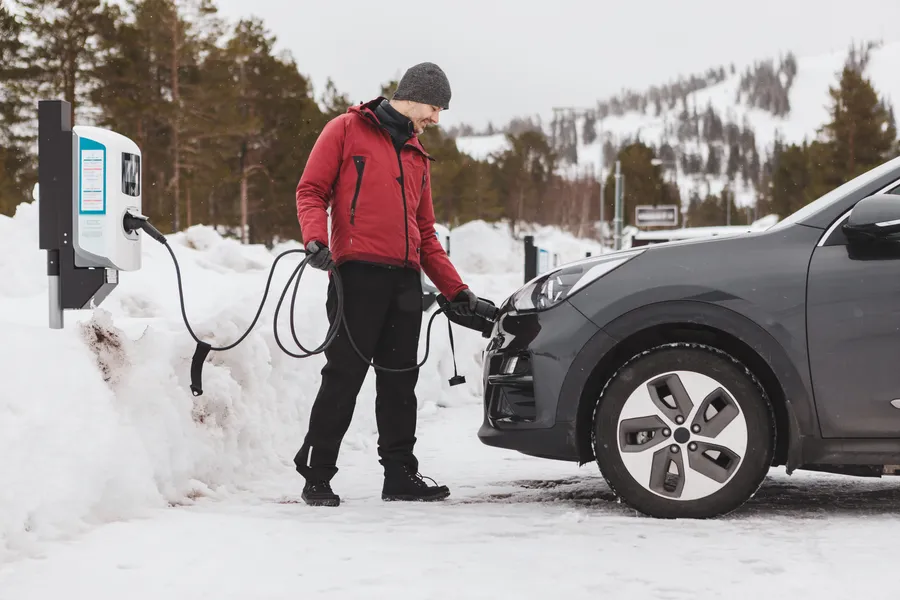
For owners who can charge at home, more than 100 electric miles could allow many routine trips without starting the gasoline engine. On longer journeys, the generator would reduce dependence on public charging. For towing, the engine could continue supplying electrical energy after the initial battery charge falls, addressing one of the most visible operating constraints for battery-only pickups.
The range number does not settle the performance question
A combined range of 600 or 690 miles says how far a vehicle may travel using both stored electricity and gasoline. It does not by itself establish how the truck will accelerate, tow or sustain highway speeds once it enters generator-supported operation. Those outcomes depend on the generator’s continuous electrical output, battery control strategy, thermal management and the power demanded at the wheels.
Practical range after a gasoline stop also remains an open consumer question. A driver beginning with a full battery and full tank may see a very different distance than one refueling after the battery’s usable charge has been depleted. Official labels and certification data will therefore matter more than an automaker’s single combined-range figure.
The Environmental Protection Agency defines the testing methods used for U.S. fuel-economy and range labels. Manufacturers conduct the required tests and submit their data, while the agency audits those submissions and confirms approximately 15% of results. Extended-range models will also have tailpipe emissions to certify because their engines burn gasoline.
Smaller battery, larger systems-integration burden
The architecture can use less battery capacity than a comparable long-range battery-only vehicle and does not require a conventional transmission. Those savings do not make the complete vehicle simple. An extended-range truck still carries a high-voltage battery, electric drive units and charging hardware, then adds an engine, generator, fuel tank, exhaust system, emissions controls, cooling circuits and another operating mode.
That equipment affects packaging, mass, maintenance and manufacturing cost. Analysts and engineers expect these vehicles to cost more than comparable gasoline models and possibly more than full EVs, although final prices have not been announced. Buyers must also understand the difference among battery-only range, gasoline-supported range and performance after battery depletion.
Plug-in hybrids have historically represented only roughly 1% to 2% of U.S. new-vehicle sales. The new models offer substantially more electric range and target vehicle types where charging and towing concerns are especially consequential, but demand is not established. Ram’s 690-mile promise is the attraction; the unanswered question is how much buyers will pay for the battery, engine and generator required to make it possible.
| More aerospace and engineering stories, right in your MSN feed. Follow AMI on MSN |
By Thomas Caldwell — AMI’s senior editor for mechanical and mobility engineering, covering vehicle electronics, systems integration, electrification, chassis systems, propulsion, and safety policy.