Russia Allows Infrastructure Takeovers Without Defining Adequate Drone Protection
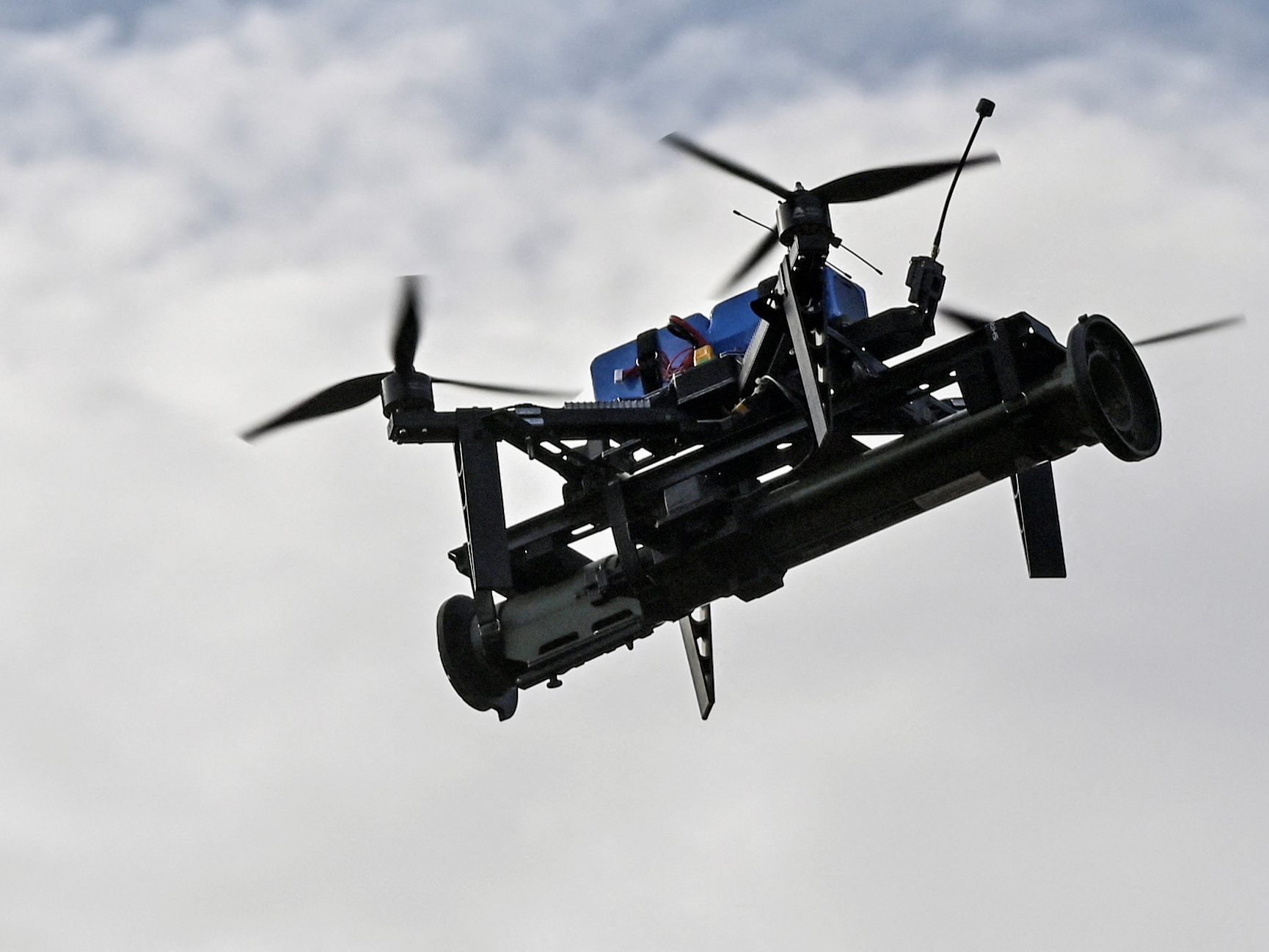
Russian infrastructure operators now face a severe compliance problem: the government can temporarily assume control of facilities judged inadequately protected from drone attacks, but the rules do not define what adequate protection means. The same uncertainty applies to how quickly damaged operations must be restored and how long state management can continue.

Decree No. 604, signed on August 24, 2026, covers commercially operated facilities in energy, electric power, industry, communications, utilities, transportation and logistics, along with other sites considered important to national security or economic stability. The measure permits temporary administration when an operator fails to secure a facility, violates security requirements, uses counter-drone measures deemed ineffective or does not restore operations promptly after an attack.
This is more than a requirement to purchase defensive equipment. It turns counter-drone readiness and recovery performance into potential ownership and management risks. Russia’s federal property agency can serve as temporary administrator, although the government may appoint another party. The administrator can exercise an owner’s powers over designated assets but cannot dispose of the property.
An enforceable rule without a technical baseline
A credible infrastructure-protection standard would ordinarily connect the threat assessment to measurable requirements: detection coverage, warning and response procedures, passive protection, equipment availability, maintenance, personnel qualification and recovery targets. The decree instead gives authorities broad triggers without establishing public performance thresholds for any of those categories.
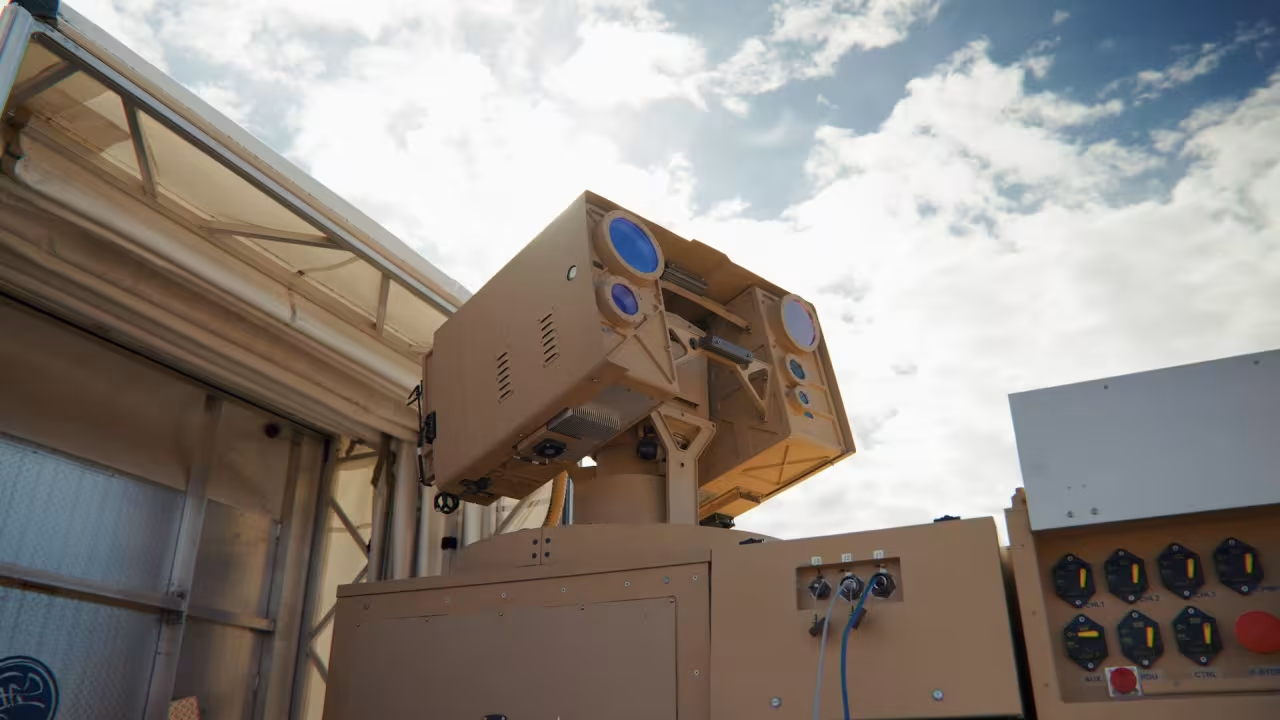
That gap complicates engineering decisions. A radar may improve detection, electronic-warfare equipment may provide another defensive layer, and physical barriers may reduce exposure in some circumstances. None alone establishes that an entire refinery, utility, communications site or logistics complex is adequately protected. Large industrial properties contain distributed equipment, storage areas, pipelines, power systems and control infrastructure, making protection a systems-integration problem rather than a single-product purchase.
Russian authorities reportedly authorized private companies earlier in 2026 to procure anti-aircraft artillery, turrets, radar equipment, specialized vehicles and electronic-warfare systems for mobile defense groups. Some refineries have also installed metal cages as passive protection. These options show the breadth of the expected response, but the decree does not identify a required equipment mix or explain how authorities will judge its effectiveness.
The absence of a published baseline also makes verification difficult. Operators may spend money, install equipment and document procedures yet remain exposed to a later finding that their measures were ineffective. Conversely, authorities retain substantial discretion to decide when a company has delayed protection or restoration. A legal analysis of the decree notes that it does not specify how timeliness, threats to normal operation or ineffective drone defenses will be determined.
Air-defense scarcity shifts pressure onto industry
The policy arrives while Russia’s military air-defense inventory is constrained by battlefield requirements and attacks across a widening area. That matters because private procurement does not instantly create a functioning protective network. Equipment must be produced or sourced, installed, maintained and integrated with trained personnel and operating procedures. Competition for radar, electronic-warfare equipment and other systems can therefore become an industrial-capacity problem as much as a regulatory one.
Private facilities also cannot be treated as isolated defense zones. Counter-drone systems can involve radio-frequency management, airspace coordination and safeguards against interference with nearby communications or civilian operations. The available information does not explain how private defensive groups will be certified, coordinated or assessed, leaving a major implementation boundary unresolved.
Energy and logistics make restoration part of readiness
The decree’s restoration clause is as consequential as its protection requirement. A refinery, power facility or logistics hub can affect customers and connected industries even when damage is localized. Recovery depends on replacement equipment, repair crews, spare parts, inspection and safe restart procedures not simply an order to resume production.
Recent pressure on Russia’s energy system illustrates the economic stakes without establishing the effect of any single attack. Bloomberg reported that overseas Russian crude flows averaged 3.46 million barrels per day during the four weeks through August 23, while refinery disruption contributed to domestic gasoline-supply problems. Ukrainian authorities have separately claimed attacks on refining and gas-processing facilities, but the extent of damage in the cited cases was still being assessed. Those claims should not be treated as independently confirmed damage findings.
Russia has therefore created a powerful enforcement mechanism before publishing a corresponding engineering standard. Until measurable protection requirements, restoration deadlines and limits on temporary administration emerge, infrastructure operators must prepare for drone disruption while facing uncertainty over whether their preparations will satisfy the government or preserve their control of the facility.
| More aerospace and engineering stories, right in your MSN feed. Follow AMI on MSN |
By Stephen Wallace — Editor for AMI’s aerospace integration and unmanned mobility coverage, focused on drone manufacturing, VTOL systems, autonomous networks, and air-ground mobility links.