Air Force Commits $400 Million to Two 747s as Air Force One Lags
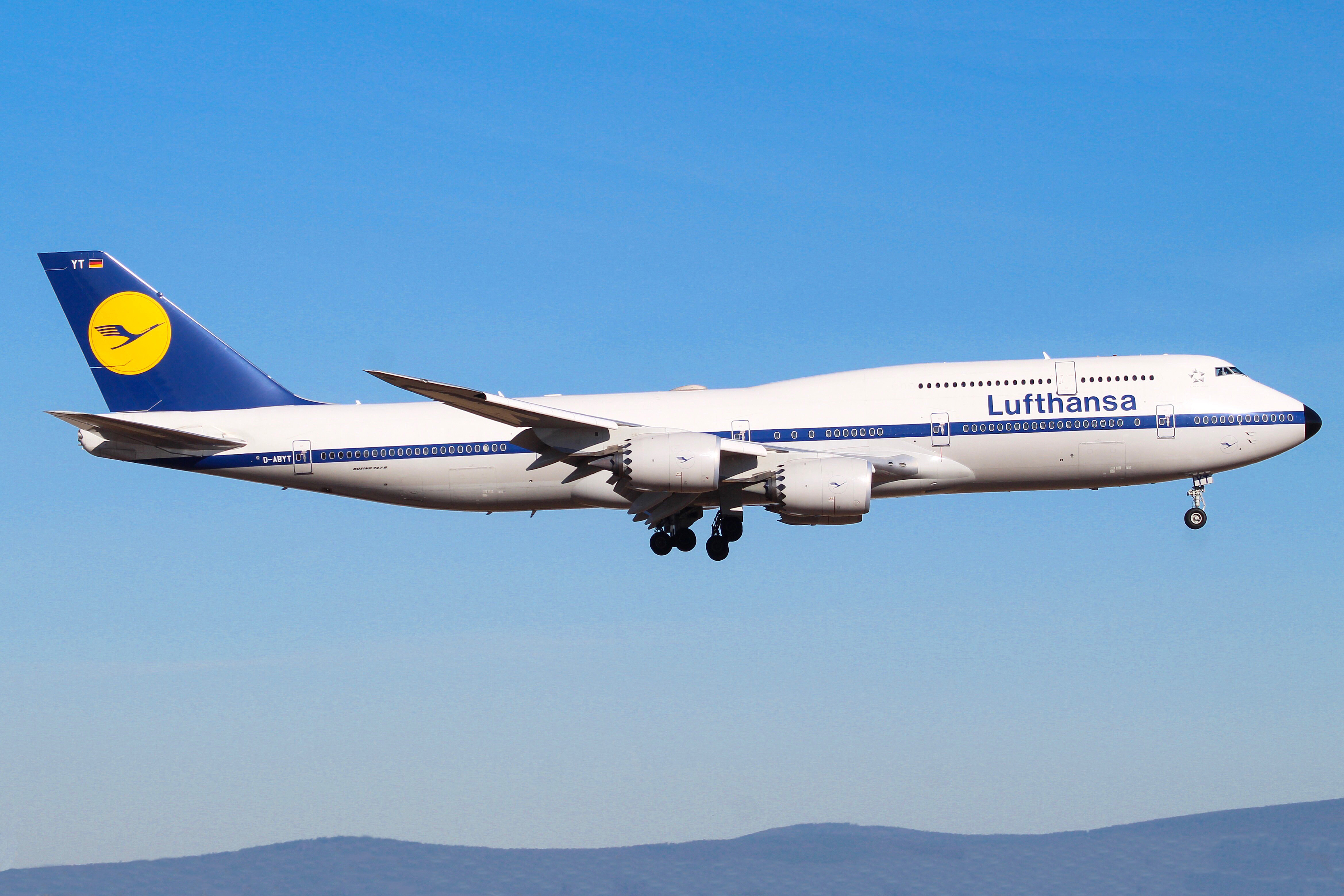
A training aircraft and a parts donor solve different problems, but together they can reduce the risk of introducing a presidential jet built on an airframe no longer in production. The U.S. Air Force is acquiring two former Lufthansa Boeing 747-8 passenger aircraft in 2026: one is expected to remain flyable initially for pilot and flight-engineer training, while the other is expected to supply components.

Reuters reportedly placed the acquisition at about $400 million, with one aircraft expected in early 2026 and the second before year-end. The purchase supports what the Air Force calls presidential airlift acceleration efforts while Boeing’s two replacement Air Force One aircraft remain years behind their original delivery target. The Lufthansa jets are not being added to the operational presidential fleet.
A representative aircraft buys training time
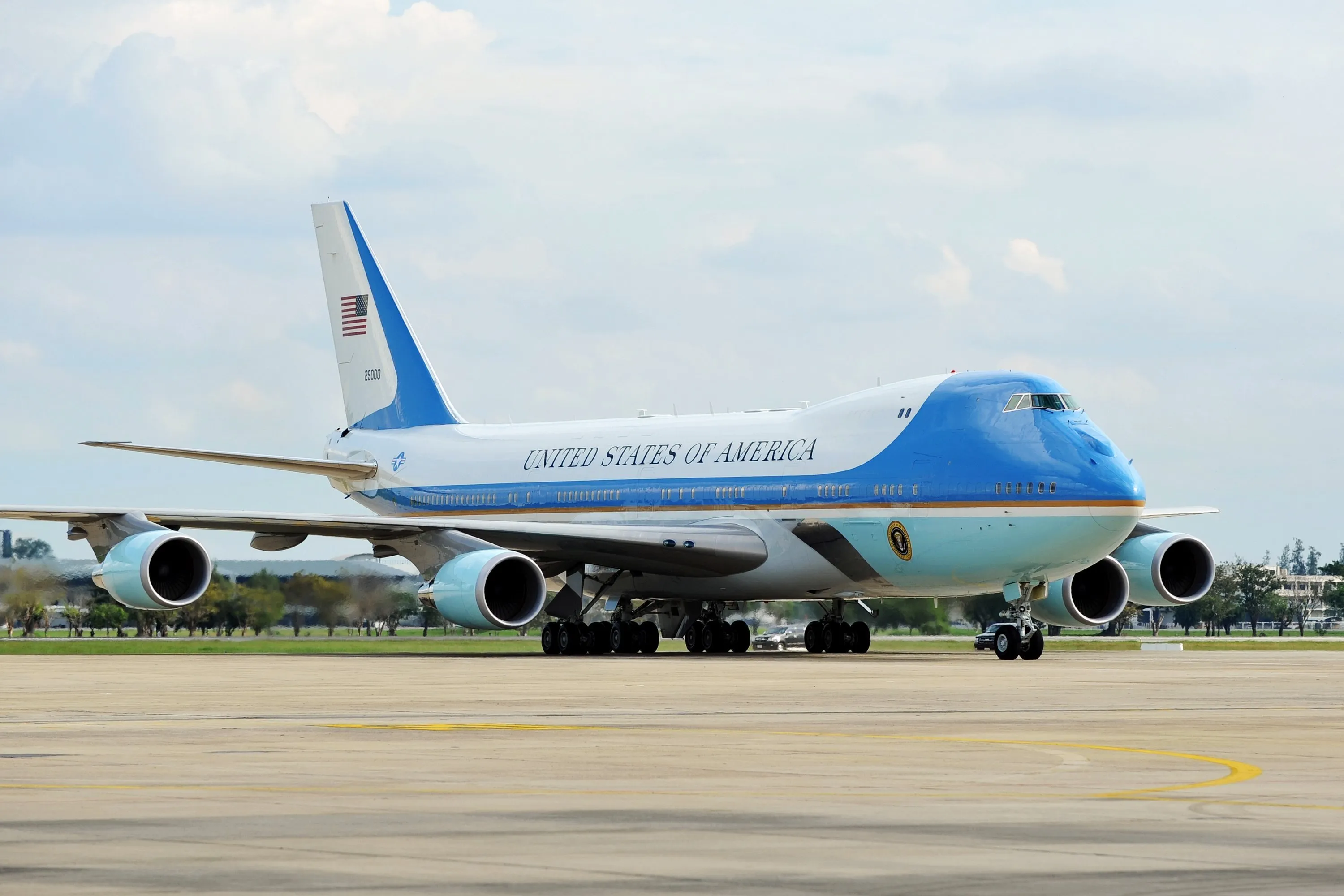
The current VC-25A presidential aircraft are heavily modified Boeing 747-200Bs that entered service in 1990. Their VC-25B replacements are based on the larger and substantially newer 747-8. That generational change creates a transition requirement before the first replacement can enter service: crews need experience with the newer platform’s systems and operating characteristics rather than relying entirely on procedures developed around the 747-200.
A flyable former Lufthansa aircraft gives the Air Force access to a representative 747-8 without consuming time on either presidential aircraft under modification. It can support platform-level training while Boeing continues work on the mission aircraft. That separation matters because every training hour completed before delivery can reduce the amount of basic aircraft familiarization competing with acceptance work and specialized presidential-mission preparation later.
The boundary is equally important. A former passenger jet is not a VC-25B and cannot duplicate all the systems, configuration or operating demands of the completed presidential aircraft. It can prepare crews for the underlying 747-8 platform, but training specific to the modified aircraft will still depend on the final configuration and approved procedures.
The second jet creates a controlled parts source
Boeing ended 747 production in 2023. Air Force spokesperson Ann Stefanek described the 747-8 passenger model as no longer in active production, which changes the support equation. The service cannot simply order another newly built 747-8 airframe if it needs a representative aircraft, and long-term component availability must increasingly draw on existing inventories, suppliers or retired aircraft.
A dedicated donor aircraft gives maintainers a known physical source of compatible components. It does not eliminate the need for inspection, documentation or approval before a harvested part can be used. Parts removed from an existing aircraft still require configuration control and an established service history. Nor can one donor supply every consumable or replace continued vendor support for equipment that must be repaired or manufactured.
What it does provide is direct control over a finite pool of hardware. For a fleet that will ultimately contain only two operational VC-25Bs, even limited parts shortages could have an outsized schedule effect because there is little fleet depth to absorb downtime.
The $400 million cost reflects a delayed transition
Boeing received the VC-25B contract in 2018, and the aircraft originally were expected in December 2024. The schedule has since moved to at least mid-2028. A senior White House official reportedly warned in 2025 that delivery could slip to 2029 or later.
That delay does not by itself prove that the Lufthansa acquisition was avoidable. It does, however, extend the period during which the Air Force must operate the 1990-era VC-25As while simultaneously building training and support capacity for their successors. The roughly $400 million commitment therefore purchases transition infrastructure, not two more presidential transports.
The support problem is also visible inside the conversion program. The Air Force said Boeing was making “steady progress” replacing cracked reinforcing structures in the two VC-25B aircraft. The cracks do not affect aircraft safety, according to the service, but the repairs must follow Federal Aviation Administration procedures and be completed before the targeted mid-2028 delivery. More detail on that work is available in Bloomberg’s program update.
The next decisive milestone is not the arrival of a former Lufthansa jet by itself. It is whether Boeing can complete the structural work and broader conversion effort in time for a mid-2028 delivery, with trained crews and an organized parts supply ready when the first VC-25B finally arrives.
| More aerospace and engineering stories, right in your MSN feed. Follow AMI on MSN |
By David Whitaker — Associate editor for AMI’s aerospace and drone systems desk, translating flight systems, aircraft programs, spaceflight, and UAV developments into accessible technical stories.