Airtel, Starlink Connect Congo Android Phones Without Dishes for Basic Messaging
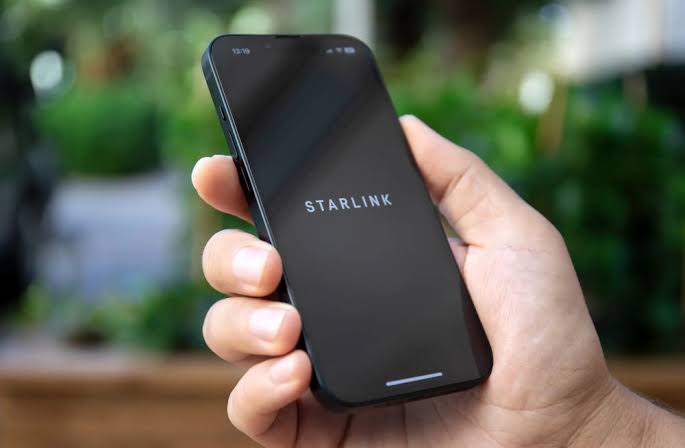
A compatible Android phone in the Democratic Republic of Congo can now reach a Starlink satellite when no Airtel tower is available. The handset needs no satellite dish or specialized terminal: SpaceX’s direct-to-cell satellites effectively serve as mobile towers in orbit, using the phone’s existing cellular hardware to provide a narrow layer of connectivity.
That connection is not equivalent to Starlink broadband. Airtel Africa and SpaceX commercially activated the service on August 14, 2026, initially supporting SMS and selected light-data applications, including WhatsApp messaging. It does not provide unrestricted high-speed internet, video streaming or the full range of services available through a conventional mobile network.
How an ordinary phone reaches orbit
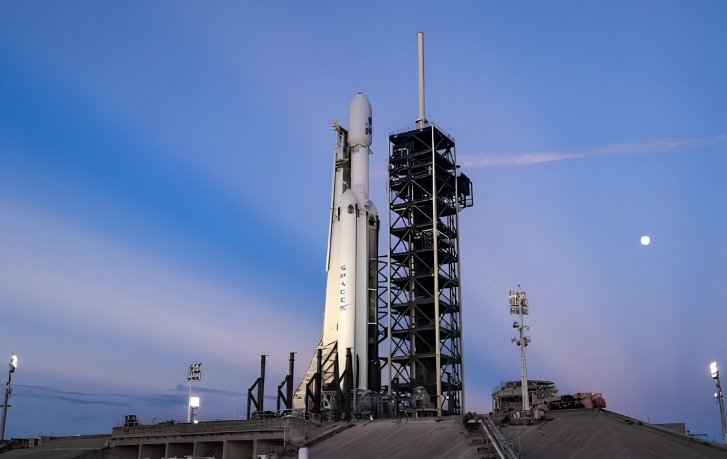
Traditional Starlink service uses a dedicated user terminal designed to communicate with the company’s low-Earth-orbit satellite network. Starlink Mobile instead connects compatible cellular phones directly to satellites equipped for that function. Airtel says approximately 650 Starlink satellites support direct phone connections.
For customers, the distinction is substantial. A dish-based broadband terminal is separate equipment that must be purchased, powered and installed. Direct-to-cell service is intended to appear as an extension of the carrier network, allowing an eligible phone and account to connect when terrestrial coverage is unavailable and the user has a clear view of the sky.
The engineering tradeoff is capacity. A satellite communicating with an ordinary smartphone must work with the handset’s existing antenna and power constraints rather than a purpose-built dish. The first commercial package consequently concentrates on low-bandwidth functions that can keep a user reachable instead of attempting to reproduce a complete terrestrial network connection.
Eligibility has several boundaries
The initial service is restricted to compatible LTE Android smartphones. Customers also need an active Airtel DRC data bundle or must enable data roaming, then register through the MyAirtel application. Eligible subscribers receive an introductory 30 days of free access.
Airtel has not disclosed the price after that period or confirmed whether it will create dedicated Starlink bundles. That unanswered cost question matters because satellite availability alone does not guarantee broad access. Compatible handset ownership, device affordability, data costs and digital skills could all constrain adoption in underserved communities.
Apple-device support is expected later, but Airtel has not provided a date. It should therefore be treated as a future expansion rather than part of the service available at launch.
A coverage extension, not a tower replacement
The DRC deployment is described as Africa’s first commercial satellite-to-phone service. It follows a messaging and data test in Kenya in March 2026 and moves the Airtel-SpaceX partnership from a pilot into a customer-facing operation.
The system can extend basic communications without Airtel first constructing more towers across difficult terrain. That does not make terrestrial infrastructure obsolete. Towers still deliver the broader capacity, service range and routine high-speed connections expected from a conventional cellular network. The satellite layer instead addresses the specific boundary where that infrastructure ends.
The potential reach is significant in a country where about 30% of the population used the internet in 2023, according to International Telecommunication Union data cited by Business Insider Africa. However, Airtel has not published evidence that the new service delivers nationwide availability, and its present messaging-focused capability should not be confused with universal internet access.
Airtel Africa and SpaceX announced their broader partnership in December 2025, covering Airtel’s 14 African markets. Expansion is not automatic: each country requires its own regulatory and spectrum approvals. Congolese authorities granted Starlink DRC SA a telecommunications license in May 2025 after previously restricting its operation over security concerns.
The next meaningful measures will be customer uptake, post-trial pricing and approvals in additional markets. Voice and richer data services would represent a larger technical step, but for now the commercial achievement is more focused: an eligible Android phone can carry a message beyond Airtel’s towers without requiring its owner to carry a satellite dish.
| More aerospace and engineering stories, right in your MSN feed. Follow AMI on MSN |
By David Whitaker — Associate editor for AMI’s aerospace and drone systems desk, translating flight systems, aircraft programs, spaceflight, and UAV developments into accessible technical stories.