Dutch Navy Plans Destinus Interceptor Drones for Several Warships by 2027
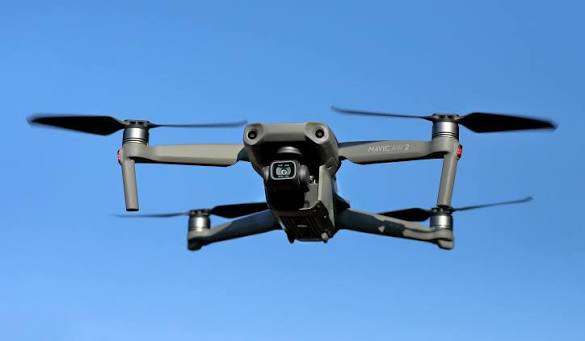
A relatively inexpensive attack drone can present a warship with an expensive defensive problem: whether to expend a multimillion-euro missile against it. The Royal Netherlands Navy now plans to add Destinus Hornet B2 interceptor drones to several warships, creating another defensive layer intended for threats that can arrive in large numbers.
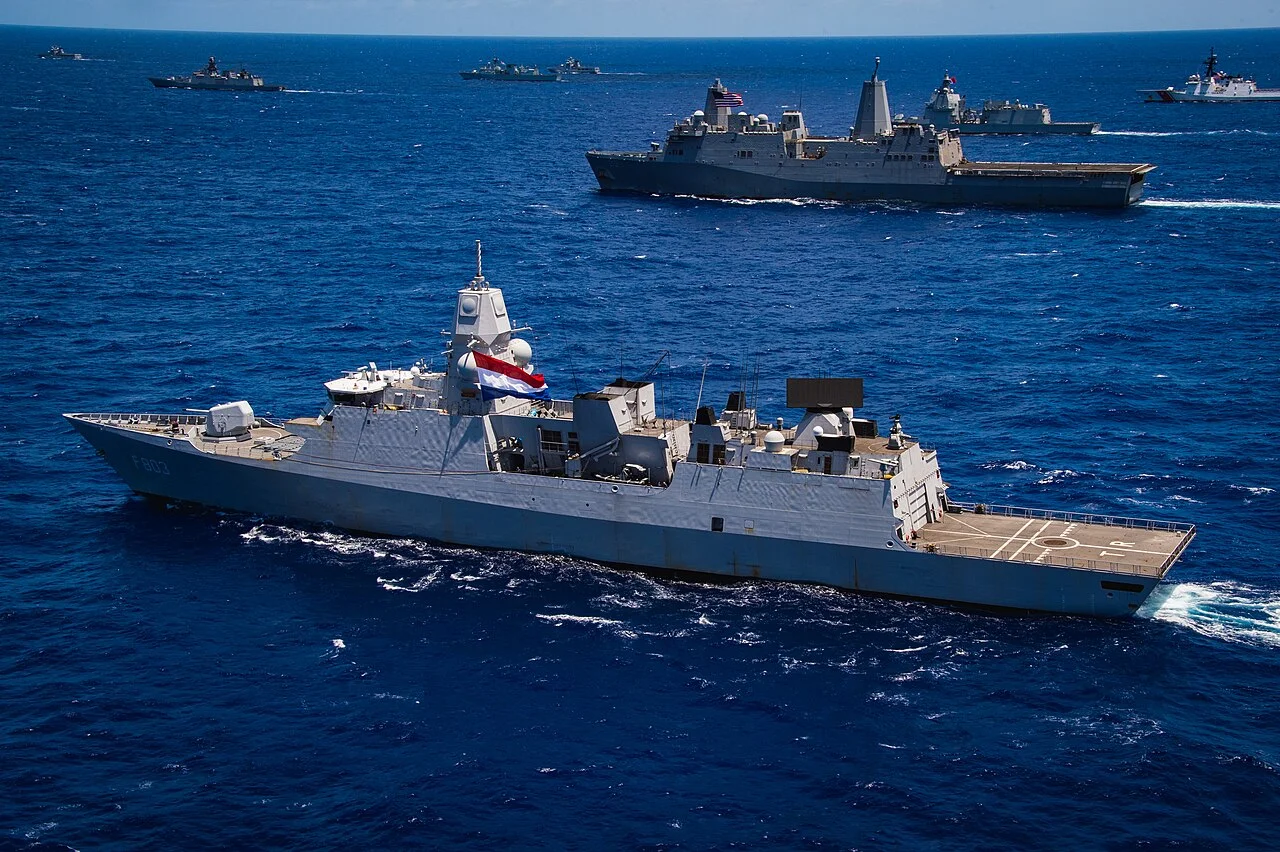
The development and evaluation program, announced August 24, covers interceptor delivery, shipboard integration and logistics support toward a possible initial operating capability. It is scheduled for completion in the second quarter of 2027. That deadline applies to the program, however, and is not a confirmed date for an operational fleet-wide capability.
The Netherlands Ministry of Defence says “the threat of drones at medium range is increasing,” requiring additional defensive equipment for naval units. Hornet B2 is meant to supplement the Navy’s existing weapons, not replace the higher-performance missiles required for more demanding threats.
A different layer, not a missile replacement
The planned system consists of a base station and a launch platform capable of firing an interceptor drone. According to Destinus, the Hornet design is stored in a sealed canister and initially propelled by a rocket booster. It then deploys folding wings and transitions to electric-powered cruise flight.
That architecture attempts to combine two useful characteristics: the packaged launch readiness associated with a missile and the powered flight profile of a small aircraft. Destinus says the interceptor uses electro-optical and infrared sensors, with artificial-intelligence-based processing supporting the terminal phase. Human operators retain control of engagement decisions.
Those descriptions explain the proposed mechanism, but they do not establish its performance. No independent Hornet B2 test results, engagement success rates, operating range or shipboard reliability data have been disclosed. Destinus also says the earlier Hornet B1 is in serial production, but that does not verify the B2’s readiness for naval service.
The central attraction is scalability. A ship has finite launcher space and carries a limited number of defensive weapons between replenishment opportunities. Adding a lower-cost class of interceptor could allow commanders to preserve premium missiles for threats requiring their greater performance. Destinus CEO Mikhail Kokorich argues that navies cannot sustainably exchange multimillion-euro missiles for inexpensive threats arriving in volume, but the company’s claimed cost advantage has not been independently demonstrated for Hornet B2.
Ship integration will determine whether the concept works
Putting an interceptor aboard a warship involves more than mounting canisters. The base station, launcher, power and data connections, operator controls, logistics arrangements and maintenance support must work as one shipboard capability. The system also has to fit alongside existing defensive weapons rather than interfere with them.
Dutch naval personnel will participate during development and evaluation, contributing operational experience as requirements and specifications are shaped. That approach can expose integration and support problems before the design is treated as finished. It also gives operators a role in defining how the new layer should function within the ship’s broader defensive system.
The program follows a wider move toward interceptor drones as a complement to conventional air-defense missiles. Ukraine has employed low-cost interceptor drones, while the U.S. Navy has installed launchers for Raytheon’s Coyote interceptor aboard Arleigh Burke-class destroyers. The Dutch effort would carry a similar layered-defense concept into development aboard European warships, although the platforms and integration arrangements are different.
Important program details remain undisclosed. The ministry and Destinus have not identified the participating ships, contract value, number of interceptors or expected readiness date. There is also no public independent test record showing how Hornet B2 performs in the maritime environment.
Testing through the second quarter of 2027 therefore has to establish more than whether an interceptor can launch and fly. The program must show that the launcher, controls, sensors, logistics and operators can form a dependable shipboard system. Until that work is completed, Hornet B2 remains a planned additional layer not an operational answer to the naval drone-cost problem.
| More aerospace and engineering stories, right in your MSN feed. Follow AMI on MSN |
By Stephen Wallace — Editor for AMI’s aerospace integration and unmanned mobility coverage, focused on drone manufacturing, VTOL systems, autonomous networks, and air-ground mobility links.