Brightline West Faces $400 Million Deadline While Seeking $6 Billion Federal Loan
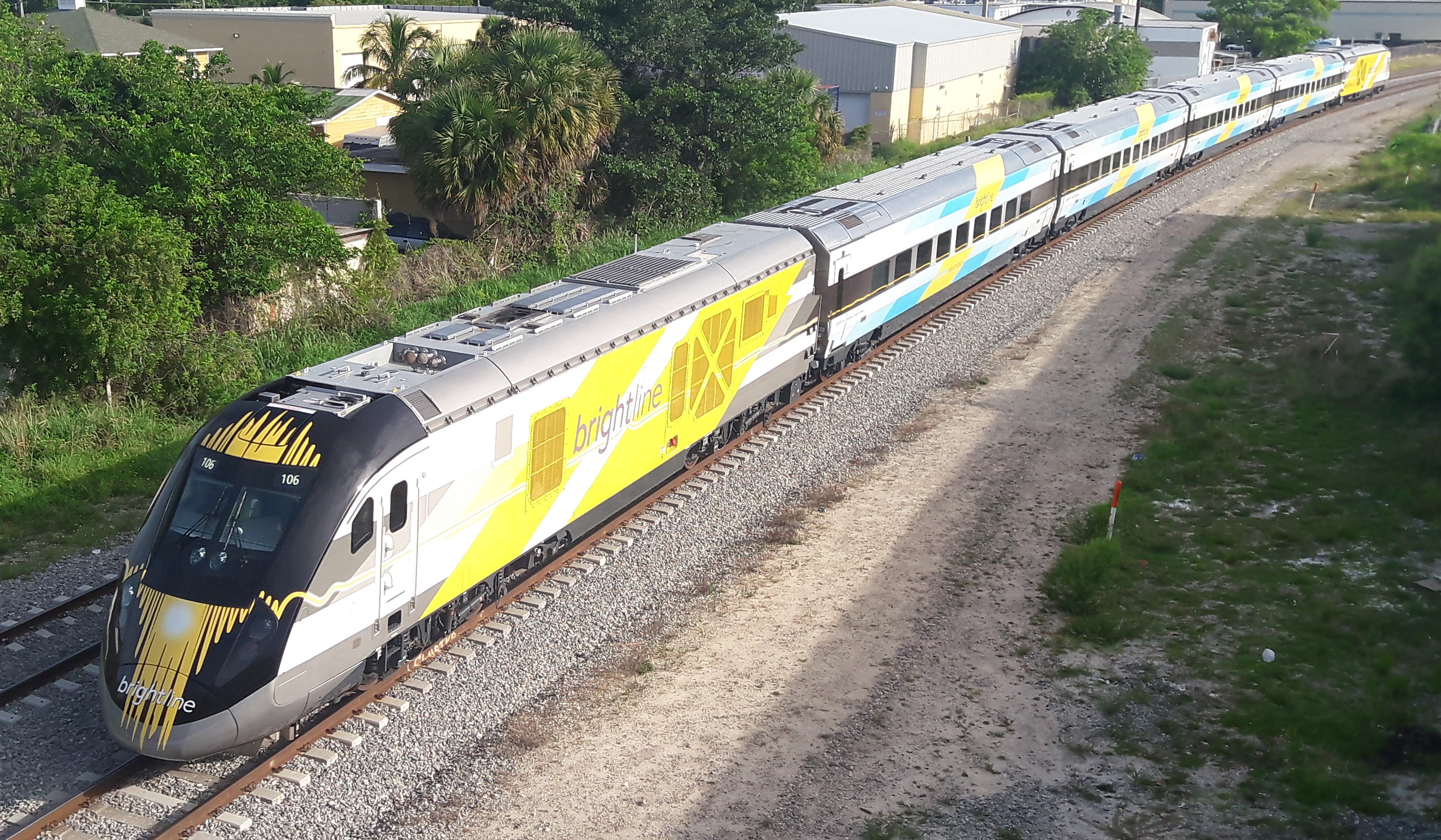
Brightline West is approaching a Nov. 2, 2026, deadline to provide $400 million in private equity while pursuing a $6 billion federal loan for its proposed Las Vegas-to-Southern California passenger rail line. The financing pressure is growing because the project’s estimated cost has risen from $12 billion in 2024 to approximately $21 billion.

The deadline was extended from Sept. 10 under another amended agreement with bondholders, according to The Bond Buyer. Brightline West originally committed to raise at least $400 million by March 31, 2026, but did not meet that target. The extension provides additional time, but it does not establish that the equity has been secured.
The federal financing is also less advanced than a simple reference to a “$6 billion loan” might suggest. Brightline West expects the U.S. Department of Transportation’s Build America Bureau to complete due diligence by late October. The company has said that an invitation to apply would then begin a formal 90-day review. An invitation, application or review would not constitute approval or financial closing.
Public support already forms a major part of the package
Brightline West has been awarded a $3 billion federal grant and has accessed $3.5 billion in tax-exempt private activity bonds. Those mechanisms are not interchangeable. The grant is direct federal support, while private activity bonds allow qualifying infrastructure to borrow through a tax-advantaged structure. The requested Railroad Rehabilitation and Improvement Financing loan would be debt that must be repaid, but it can offer low interest rates and repayment periods of up to 35 years.
That distinction matters for assessing public cost. A federal loan is not the same as another $6 billion grant, yet favorable rates and long repayment terms can make federal credit central to a project that cannot assemble comparable private financing. Investors reportedly regard the requested loan as important to Brightline West’s future, but no federal approval date has been published.
The project therefore sits between two financing models. It is privately backed by Fortress Investment Group, but its delivery plan already relies heavily on federal grants, tax-advantaged bonds and potentially long-term federal credit. Missing the original private-equity commitment makes that balance more consequential: the unresolved question is not simply whether government participates, but whether enough private capital will arrive alongside that support.
A larger budget increases dependence on every funding source
Brightline West has told bondholders that executed construction contracts put the remaining completion budget at approximately $20.9 billion, including construction, other project costs and contingencies. It has also reported that major contract negotiations are complete. That may improve cost visibility, but locking in contracts does not close the capital structure needed to pay for them.
The increase from $12 billion to about $21 billion is a $9 billion change, or 75% of the earlier estimate. At the current estimate, the existing $3 billion grant and requested $6 billion loan together would equal roughly $9 billion. The $3.5 billion in tax-exempt bonds represents another substantial component, although bond financing remains repayable debt rather than project revenue.
For prospective passengers, the tradeoff is straightforward. Federal support could help move a new intercity transportation system toward construction and service, but greater dependence on public credit also increases the importance of credible ridership, revenue and repayment assumptions. Those assumptions are among the areas being reviewed by federal financial, technical, legal and ridership advisers.
Brightline Florida’s financial difficulties provide context for why shared bondholders may be cautious, but they do not establish that Brightline West will produce the same result. The projects operate in different markets and must be assessed on their own financing, construction and revenue structures.
The next two checkpoints will clarify more than another general project update: whether federal due diligence produces an invitation to apply by late October, and whether Brightline West supplies the required $400 million in equity by Nov. 2. Even if both occur, a formal federal review would still remain. For a rail system now estimated at $21 billion, the distinction between requested money, committed money and cash actually available for construction is becoming the controlling delivery constraint.
| More aerospace and engineering stories, right in your MSN feed. Follow AMI on MSN |
By Thomas Caldwell — AMI’s senior editor for mechanical and mobility engineering, covering vehicle electronics, systems integration, electrification, chassis systems, propulsion, and safety policy.