Drone Attacks Halt Two Rosneft Refineries, Adding Pressure to Fuel Supplies
Drone attacks stopped crude processing at two Rosneft-owned refineries in the Volga River cities of Syzran and Saratov, creating overlapping outages in a fuel system already operating under strain. Industry sources reported that Syzran halted processing on Tuesday, September 15, after Saratov suspended operations the previous Friday.

The longer interruption may be at Syzran. Significant damage was reported at its main CDU-6 crude-distillation unit, with repairs expected to require at least a month. That assessment remains attributed: Rosneft has not provided an official damage report or operating update, and no verified production-loss figure is available. Saratov was also reported to be dealing with lingering damage and fire hazards while working toward a restart.
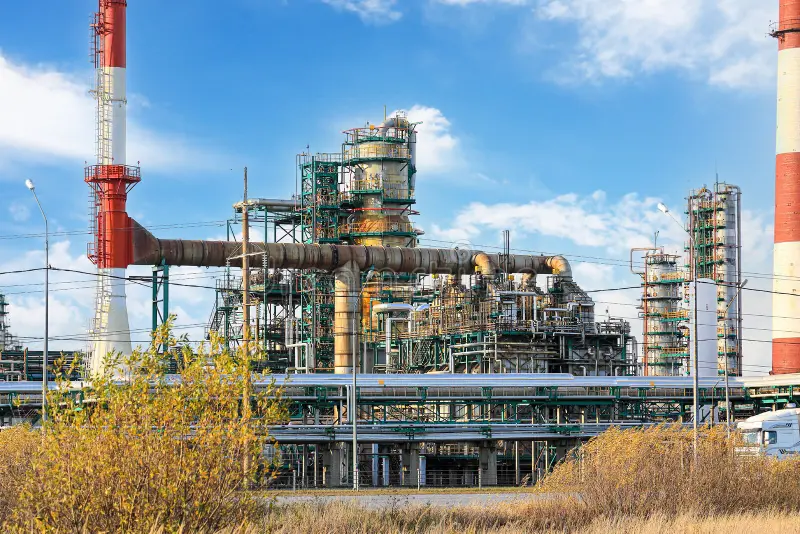
The industrial significance is not simply that two plants stopped. Crude distillation is the front end of refinery operations, separating incoming oil into streams that feed later processing stages. When a principal distillation unit is unavailable, downstream equipment cannot compensate merely by remaining intact. Its feed is interrupted, so the refinery’s practical output can fall much further than a count of visibly damaged components might suggest.
A one-month repair estimate therefore represents more than a maintenance interval. Restoring a major process unit can require damage assessment, removal of impaired equipment, sourcing of compatible parts, installation, inspection and controlled recommissioning. The supplied reporting does not identify which of those tasks will govern Syzran’s schedule. More broadly, Enverus Intelligence Research has said extensively damaged refineries can require six to eight months to repair and that Russian facilities may face longer timelines when sanctions restrict replacement parts and technical expertise. That does not establish Syzran’s eventual downtime, but it shows why an early estimate is not the same as a firm restart date.
Concurrent outages also matter differently from an isolated shutdown. A refinery network can sometimes absorb one interruption by changing crude runs, drawing down stored products, redirecting shipments or increasing output elsewhere. Two plants stopping crude processing at nearly the same time reduce that flexibility. Operators must protect domestic availability of gasoline, diesel and jet fuel while deciding how much refined product, if any, remains available for export.
Recent trade data show that this pressure predates the Syzran and Saratov stoppages. The Centre for Research on Energy and Clean Air’s August 2026 analysis found that Russian oil-product export volumes fell 21% month over month, while revenues from seaborne product exports dropped 32% to €78 million per day. Loaded product volumes were less than half their August 2025 level, and Russia imported a record 172,000 tonnes of oil products during the month more than seven times the previous monthly high recorded since the full-scale invasion began.
Those figures do not isolate the effect of the two latest outages, but they define the operating boundary around them: replacement supply was already being sourced from abroad while fewer Russian products were moving to export markets. Additional refinery downtime can force a sharper allocation choice between domestic consumers and external customers, particularly for diesel and jet fuel, which depend on more than the initial separation of crude.
The distinction between crude supply and usable fuel supply is crucial. Oil can remain available while gasoline, diesel or aviation fuel becomes constrained because the required conversion equipment, storage and transport links are not available in the right combination. A recent Center on Global Energy Policy analysis described refining as an energy-security bottleneck: installed capacity is not effective spare capacity unless it can obtain feedstock, produce the needed grades and deliver them to deficit markets.
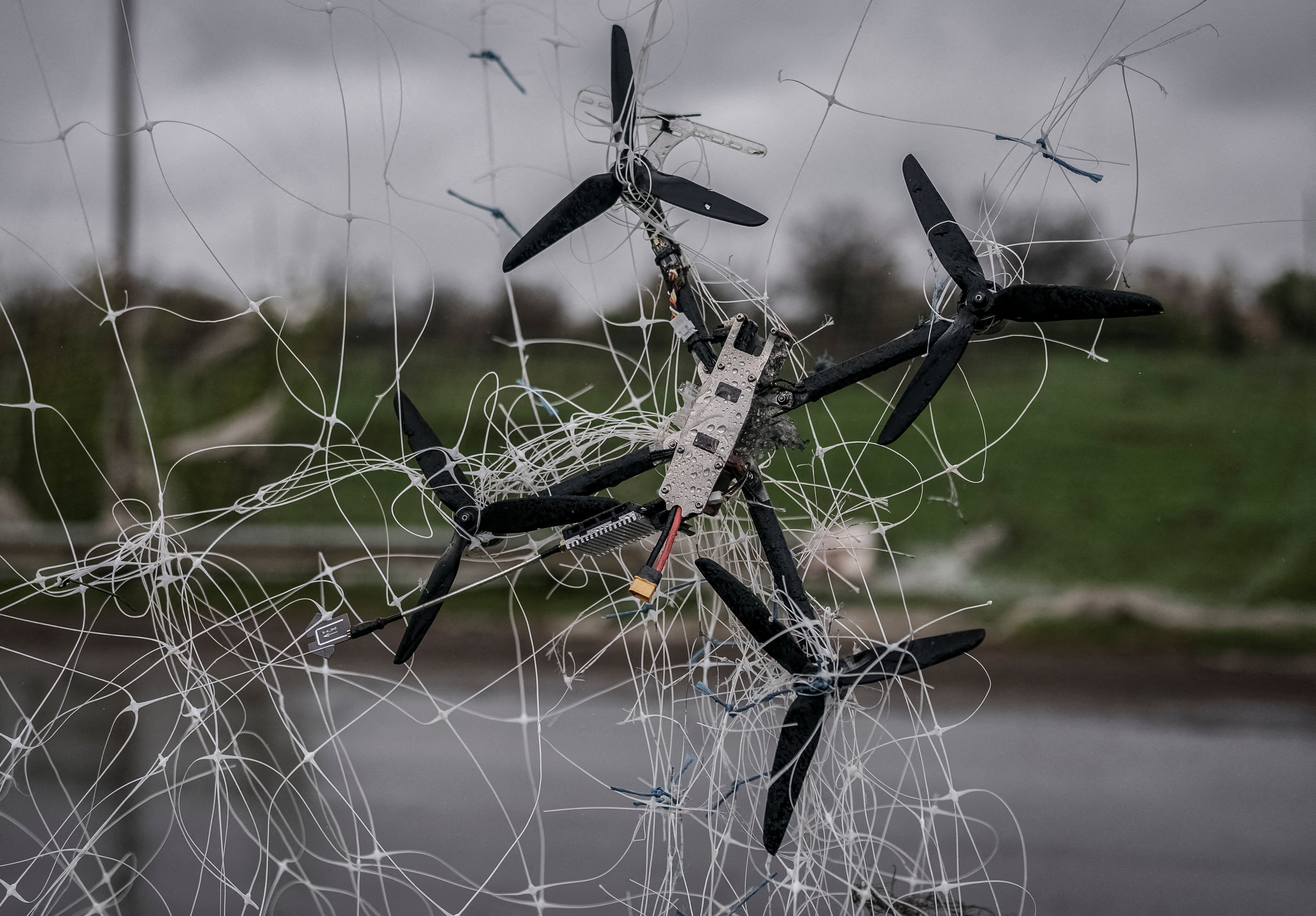
Drone scale adds another industrial burden even when individual incidents are discussed only at a high level. Vortexa counted 32 attacks on Russian refineries across July and August, roughly one every other day. Repetition can keep inspection teams, repair crews and replacement-component supply chains spread across multiple facilities. It also pressures defensive readiness around a geographically distributed industrial network, though the available information does not establish the defenses present at Syzran or Saratov or how the attacks reached either plant.
The wider supply effect remains unresolved. There are no verified figures for lost output at the two refineries, current inventories, spare production elsewhere or the reduction in export capacity. The next decisive facts will be official operating updates, confirmed restart dates and measured product flows. Until then, the strongest confirmed consequence is narrower but still substantial: two Rosneft refineries have stopped processing crude, and the reported month-long repair at Syzran begins while Russia is already importing unusually large fuel volumes and exporting substantially less refined product.
| More aerospace and engineering stories, right in your MSN feed. Follow AMI on MSN |
By Stephen Wallace — Editor for AMI’s aerospace integration and unmanned mobility coverage, focused on drone manufacturing, VTOL systems, autonomous networks, and air-ground mobility links.