New Air Force One’s Secure Communications Baseline May Expire a Year Before 2029 Delivery
The two delayed aircraft intended to become the next Air Force One fleet face an unusual timing problem: Their reported 2029 delivery would come after the planned secure-communications baseline is considered viable. The Defense Department has reportedly awarded Boeing another $73 million to address communications requirements within the approximately $6 billion presidential-aircraft program.

The award is part of a larger reported $500 million funding injection. An Air Force assessment found that the current Mission Communication System baseline would not remain viable beyond 2028 because of cybersecurity and obsolescence issues. Without mitigation, the assessment warned, the aircraft could be denied authorization to connect to and operate on national-security systems required for presidential communications.
That makes the $73 million more than a routine avionics refresh. The central issue is whether a secure communications package designed and certified around an earlier delivery schedule can still satisfy government network requirements when the aircraft is finally ready for service. The available information does not detail the newly funded work, so it is not possible to identify which hardware, software or certification activities the award covers.
A delay can consume a system’s useful certification window
Aircraft structures can remain useful for decades, but networked electronics move on a much shorter lifecycle. Components become unavailable, software support changes and cybersecurity requirements evolve. A communications configuration accepted during development can therefore require redesign, testing and renewed authorization if the aircraft carrying it spends additional years in conversion.
For the VC-25B mission, connectivity is not an optional passenger feature. The aircraft must function as a secure presidential command and communications platform. Authorization to use critical government networks consequently matters as much as whether the radios and computing equipment switch on. A technically functioning system that no longer meets the required security baseline would not provide the intended operational capability.
Modernizing that system before delivery can also reach beyond replacing electronic boxes. Changes may require updated wiring interfaces, power and cooling checks, software integration, cybersecurity evaluation, ground testing and aircraft-level certification. The precise scope here has not been disclosed, but those general dependencies explain why communications obsolescence can affect both cost and schedule on a heavily modified aircraft.
Commercial 747s require an extensive presidential conversion
The VC-25B program covers two Boeing 747-8 aircraft originally built to commercial passenger specifications for a Russian airline that defaulted before delivery. Converting those airframes into presidential transports involves substantial structural, electrical, interior and mission-system work rather than installing a conventional executive cabin.
The 2018 firm-fixed-price agreement reportedly carried a $3.9 billion cost, while the broader program is now placed at approximately $6 billion. Boeing says it has absorbed nearly $4 billion in losses, although that remains the company’s characterization rather than an independently established measure of the government’s program cost.
Reported schedule problems have included supplier difficulties and repeated work involving wiring, structural components, the interior and paint scheme. Boeing has added technical personnel and financial support at its San Antonio conversion facility. Those production measures may help move the airframes forward, but they do not stop the technology lifecycle running inside the communications program.
The schedule itself remains fluid. A September program update described an aggressive 2028 delivery objective, while other reporting places delivery in 2029. The Air Force also expects the lead aircraft to be powered on in 2026 before a planned first flight in 2027, according to the latest reported program milestone. Power-on will be an important integration step, but it is well short of completing flight testing, mission-system validation and delivery.
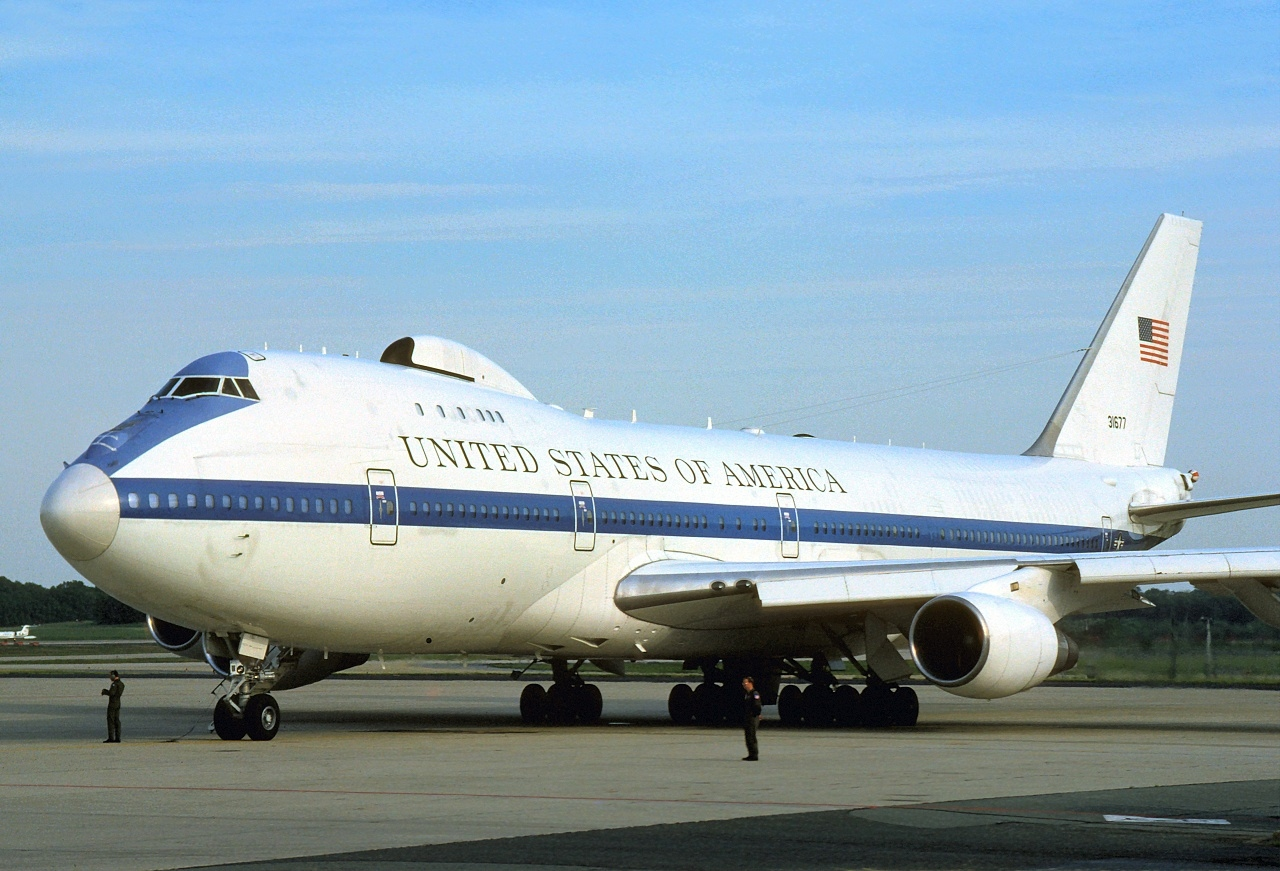
Until the replacements enter service, the two existing VC-25A aircraft based on the older Boeing 747-200B will have to remain available longer. That extends the maintenance and support burden on the current fleet while work continues on its successors.
The program’s next visible engineering milestones are power-on and first flight. Its harder deadline is less visible: ensuring that the communications configuration can still receive authorization for the networks it must use when the aircraft is delivered. If delivery remains near or beyond 2028, modernization is no longer an upgrade planned for later service it is work required before the new Air Force One can perform its core mission.
| More aerospace and engineering stories, right in your MSN feed. Follow AMI on MSN |
By David Whitaker — Associate editor for AMI’s aerospace and drone systems desk, translating flight systems, aircraft programs, spaceflight, and UAV developments into accessible technical stories.