China Upgrades J-20 Stealth Fighters to Coordinate Drones and Aircraft
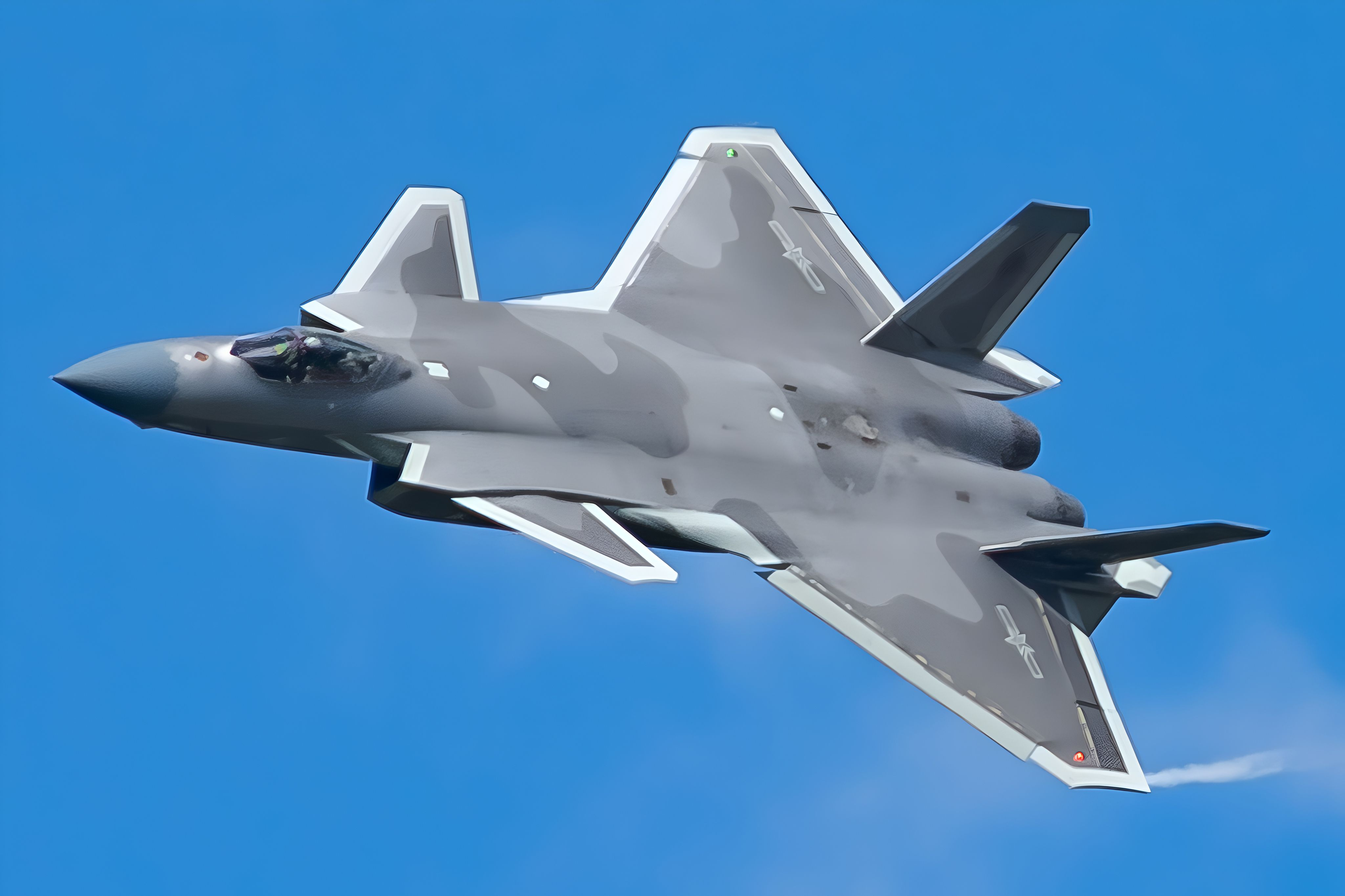
China is expanding its J-20 stealth fighter from a single-aircraft combat platform into the center of a wider airborne network. Newly disclosed details contrast an upgraded, domestically powered single-seat J-20A with the two-seat J-20S, which is designed to coordinate unmanned aircraft and other elements of a formation.

The two variants address different parts of that ambition. The J-20A concentrates its changes in propulsion, aerodynamics and sensors, while the J-20S adds another crew member to handle information and mission coordination. Chinese state media described the upgrades in November 2026, but did not disclose detailed performance figures or report that the J-20S had demonstrated drone-control capabilities in operational service.
J-20A upgrades the aircraft itself
The most consequential change to the J-20A is its use of domestically developed engines. A domestically powered J-20 made its public debut at Airshow China in Zhuhai in 2021, marking a shift away from dependence on foreign propulsion technology and giving China greater control over a system central to aircraft performance and production.
The indigenous engines reportedly deliver greater thrust, supporting higher speeds, sustained supersonic cruise and high-overload maneuvers. Those claims have not been accompanied by public thrust ratings or comparative flight-test data, so the scale of the improvement cannot be independently measured from the disclosed information. Even without those numbers, domestic propulsion has an industrial benefit: engine development, aircraft integration and future upgrades can be managed within China’s own aerospace base.
Visible airframe changes distinguish the J-20A from earlier aircraft. The transition behind the cockpit is smoother and more gradual, a profile believed to improve aerodynamic performance and support higher-speed flight. This is a refinement rather than an entirely new configuration, and no figures have been released to quantify its effect on drag, speed or maneuverability.
The sensor comparison is more concrete. A protruding component beneath the nose is associated with the fighter’s electro-optical detection system. The earlier arrangement reportedly had six optical lenses, while the upgraded configuration has eight. The added apertures indicate an effort to expand detection and tracking performance, although range, resolution and field-of-view data remain undisclosed.
J-20S upgrades the crew’s workload capacity
The J-20S takes a different approach. Instead of placing every mission demand on one pilot, it adds a rear-seat operator expected to manage unmanned formations, process battlefield information, assign targets and coordinate activity among multiple aircraft and other assets. The pilot can then concentrate on flying and air combat.
That division of labor explains why the second cockpit matters. Coordinating drones is not merely another display in front of the pilot; it can involve monitoring several aircraft, evaluating information arriving from different sensors and adjusting a mission as conditions change. A second operator provides human capacity for those tasks without asking the pilot to divide attention further.
The intended arrangement fits the broader concept of manned-unmanned teaming, in which crewed aircraft work with autonomous or remotely managed partners. Advances in onboard processing, autonomy and collaborative data exchange make that model increasingly practical, but its effectiveness depends on more than adding a rear seat. Communications, software, sensor fusion and manageable operator workload must function together across the formation.
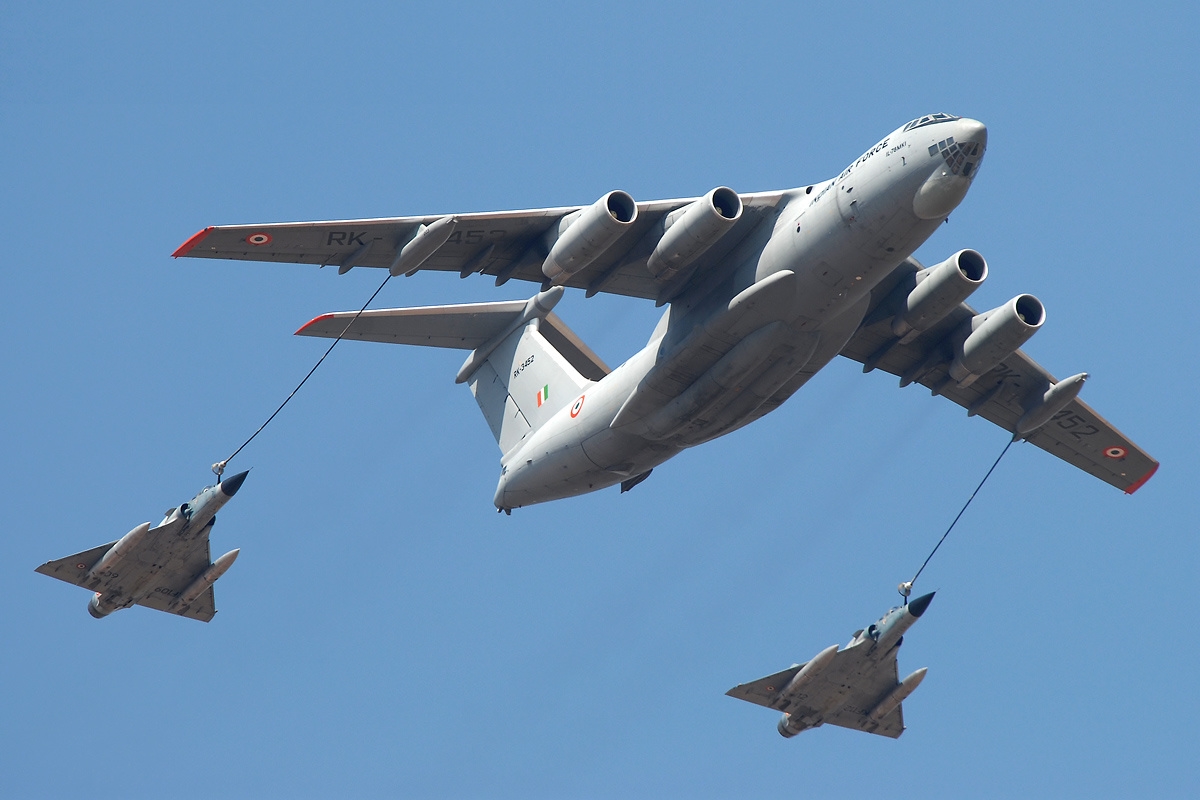
China’s concept also reaches beyond drones. The J-20 family is being integrated with KJ-series airborne early warning aircraft, YY-20 aerial refueling tankers, J-16 multirole fighters and J-10C fighters. In that structure, early warning aircraft can contribute a broader air picture, tankers extend operating time, and multiple fighter types add sensors and mission capacity. The J-20S is intended to help coordinate parts of that larger system rather than operate only as a conventional air-superiority fighter.
The comparison therefore runs deeper than one seat versus two. The J-20A improves the fighter’s own propulsion, aerodynamic profile and optical sensing, while the J-20S is designed to increase what a crew can manage across a network. China has now described that direction publicly; the unresolved measure is how effectively the two-seat aircraft can coordinate drones and mixed formations under operational conditions, where detailed results remain undisclosed.
| More aerospace and engineering stories, right in your MSN feed. Follow AMI on MSN |
By David Whitaker — Associate editor for AMI’s aerospace and drone systems desk, translating flight systems, aircraft programs, spaceflight, and UAV developments into accessible technical stories.