U.S. Reportedly Used 80% of Terminal High Altitude Area Defense Interceptors
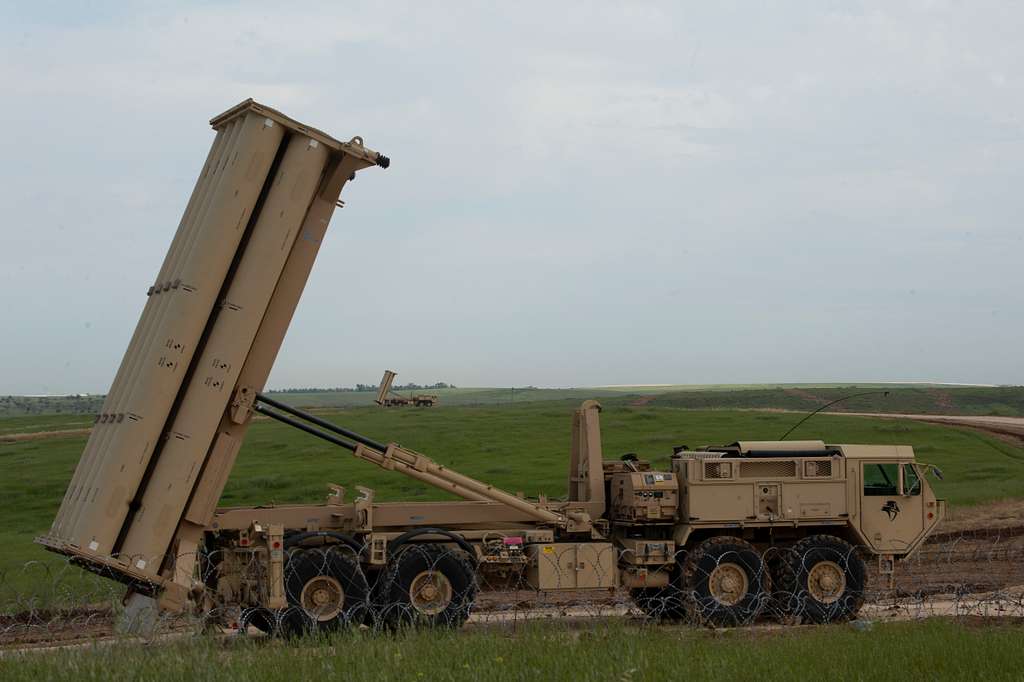
Nearly 80% is the unconfirmed figure now defining the strain on one of America’s most specialized missile defenses. Two people familiar with a recent inventory assessment said the U.S. military has consumed nearly four-fifths of its prewar Terminal High Altitude Area Defense, or THAAD, interceptors during the war with Iran. They also said roughly half of the prewar Patriot interceptor inventory had been used.

The Pentagon has not publicly confirmed either percentage, and detailed inventory totals remain classified. Pentagon spokesperson Sean Parnell disputed the broader shortage characterization, saying the military has “everything it needs” to carry out assigned operations and protect U.S. interests. White House spokesperson Anna Kelly similarly said the military has more than enough munitions to meet its strategic goals.
Even with that official pushback, the reported expenditure rates expose a measurable industrial problem: sophisticated interceptors can be fired far faster than the production base can replace them. The Center for Strategic and International Studies estimated that the United States entered the conflict with approximately 452 THAAD interceptors and 2,200 interceptors from the two most-modernized Patriot variants. It estimated that restoring the THAAD inventory to its prewar level could take at least three years.
Public estimates do not produce one settled inventory figure
The nearly 80% claim should not be treated as a Pentagon-certified count. A separate CSIS analysis cited by Defense News estimated that THAAD stocks had declined from 452 to between 234 and 278 by the end of July, while Patriot inventories had fallen from about 2,330 to between 759 and 827. Those ranges do not align with the newer anonymous-source percentages, potentially reflecting different dates, methods or inventory definitions.
A Congressional Budget Office analysis adds another independent benchmark. It estimated that the conflict had consumed between one-half and two-thirds of the combined U.S. inventory of Patriot, THAAD, Standard Missile-3 and Standard Missile-6 interceptors since June 2025. CBO cautioned that its estimate carried considerable uncertainty because the Pentagon did not provide inventory data. It concluded that rebuilding those combined stocks could take at least five years even if production rates rise.
The exact remaining count is therefore unresolved. The consistent finding across the public estimates is that wartime demand has moved much faster than peacetime replenishment.
Interceptor production cannot surge like ordinary manufacturing
Analysts cited in the reporting put current fiscal-year deliveries at roughly 20 new Patriot missiles per month. CSIS estimated production timelines of about 42 months for a Patriot Advanced Capability-3 Missile Segment Enhancement interceptor and 53 months for a THAAD interceptor.
Those timelines reflect more than final assembly. High-end interceptors depend on specialized solid-rocket motors, seekers, electronics, motor cases, control hardware, testing equipment and qualified suppliers. Increasing output requires additional tooling and facilities, but it also requires trained workers, validated processes and enough long-term orders to justify investments throughout the supplier chain.
The Defense Department is attempting to expand that base. On Aug. 31, it announced seven-year agreements with General Dynamics and Lockheed Martin intended to triple production capacity for the most modern Patriot interceptor and quadruple THAAD interceptor capacity. The agreements cover components including motor cases, seeker housings, midsections and shroud-deployment systems, with funding subject to annual appropriations.
Capacity targets, however, are not the same as delivered missiles. The department did not specify when the added manufacturing capability would begin producing results. L3Harris has also received a seven-year contract supporting expanded Patriot propulsion production, while two new facilities in Arkansas are expected to become operational in 2027. General Motors has already delivered an initial batch of Patriot housing components to Lockheed Martin, demonstrating how automotive-scale casting and machining resources can widen the supplier base.
The gap is measured in years, not months
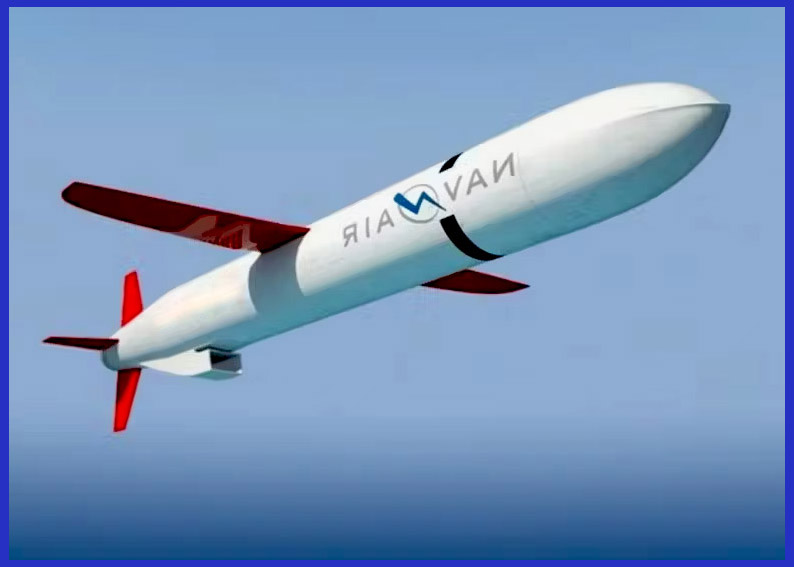
The same pressure extends beyond missile defense. Sources said close to half of the U.S. Tomahawk inventory had been expended, while current schedules provide roughly 15 replacements per month. Precision Strike Missile and Joint Air-to-Surface Standoff Missile inventories could return to prewar levels by mid-to-late 2027, according to CSIS, but the larger interceptors present a longer recovery problem.
That distinction matters for readiness. THAAD and Patriot are not interchangeable bulk munitions; they occupy particular layers within a broader air-and-missile-defense architecture used to protect U.S. forces and allies. The defensible conclusion is not that those defenses have disappeared, but that sustained operations can consume specialized interceptors on a timeline that existing factories were never sized to match. The planned production increases may narrow that gap, but the first meaningful test will be delivered interceptor output not announced factory capacity.
| More aerospace and engineering stories, right in your MSN feed. Follow AMI on MSN |
By David Whitaker — Associate editor for AMI’s aerospace and drone systems desk, translating flight systems, aircraft programs, spaceflight, and UAV developments into accessible technical stories.