US Charges Irish Activist Over Destruction of $60 Million C-130 Transport
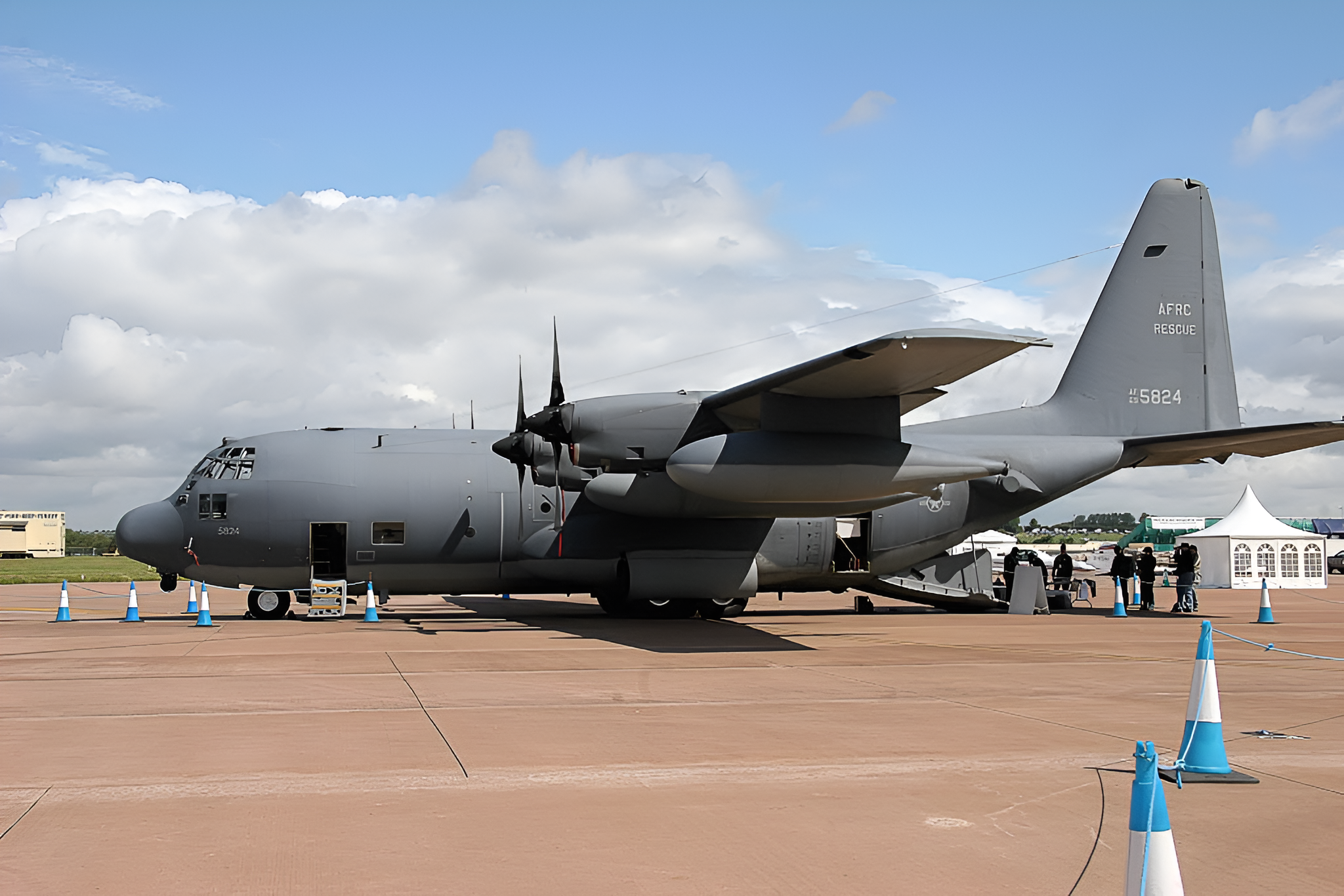
A 48-year-old Irish activist has been charged in New York after a $60 million U.S. Air National Guard C-130H transport aircraft was damaged beyond repair at Shannon Airport. The Justice Department announced that Daithi O’Corrain faces one count of destruction of U.S. government property, which carries a maximum sentence of 10 years in prison.

The indictment concerns an April 11, 2026, intrusion that left the four-engine military transport inoperable and permanently removed it from active flight status. O’Corrain is not currently in U.S. custody, and no U.S. arraignment has been scheduled. The charge is an accusation, and he is presumed innocent unless convicted.
Prosecutors allege that O’Corrain spent months preparing, including researching the C-130’s construction and acquiring tools and materials. On the morning of the incident, he allegedly breached Shannon Airport’s perimeter and entered the parked aircraft through its rear crew door before barricading himself inside. The C-130H was on a U.S. military assignment and was awaiting the next segment of its trip.
Damage spread across several essential aircraft systems
What followed was substantially more consequential than superficial vandalism. According to the indictment, O’Corrain cut electrical wire bundles and hydraulic lines, crimped a liquid-oxygen line, destroyed every cockpit gauge and punctured air ducts. Prosecutors also allege that he brought gallium capsules aboard; the Justice Department described gallium as highly corrosive to aluminum, the principal material in the C-130’s construction.
The breadth of the damage is central to why the aircraft was lost. Electrical wiring distributes power and signals, hydraulic circuits support multiple aircraft functions, cockpit gauges provide the crew with essential information, and air and oxygen plumbing serve separate onboard requirements. Damage distributed across all of those areas leaves an aircraft facing more than a single failed component or isolated structural repair.
Several hours after the intrusion began, the returning crew saw O’Corrain through a cockpit window and alerted airport security, prosecutors said. He then allegedly emerged through a roof hatch, struck the aircraft’s exterior with an axe and placed unknown substances and objects, including ball bearings, into its fuel tanks. Irish law enforcement subsequently apprehended him.
The fuel-system interference added another major area requiring evaluation, alongside the cockpit, wiring, hydraulics, ducting and exterior structure. The Justice Department said the combined damage “effectively destroyed” the C-130H. The aircraft was rendered inoperable and, despite its approximately $60 million value, “will not return to active flight status.”
Court material also describes how close the incident came to a more dangerous outcome. Prosecutors said that if the liquid-oxygen line had been cut rather than crimped, there would have been a high chance of a massive explosion inside the aircraft. U.S. Attorney Jamie McDonald said the alleged actions “posed a significant threat to others, including U.S. service members, nearby.”
Three earlier breaches ended with less aircraft damage
The April attack followed three less serious unauthorized-access incidents at Shannon during 2025. On May 1, Irish authorities arrested three people after a van was driven through the airport’s perimeter fence. On May 17, three activists entered a runway and sprayed paint on a U.S. military aircraft, temporarily rendering it inoperable.
On November 22, three more people were detained after another van entered the airport perimeter and reached a restricted area near a parked U.S. military C-40. Those events established a pattern of people reaching protected airport areas, but none produced the permanent aircraft loss alleged in the C-130H case.
The new federal charge therefore follows a sharp escalation in consequence: a parked military transport valued at $60 million was not briefly delayed or sent for a limited repair. After damage spanning its electrical, hydraulic, cockpit, air, fuel and exterior systems, it was removed from active flight permanently.
| More aerospace and engineering stories, right in your MSN feed. Follow AMI on MSN |
By David Whitaker — Associate editor for AMI’s aerospace and drone systems desk, translating flight systems, aircraft programs, spaceflight, and UAV developments into accessible technical stories.