FAA Pauses Juniper Router Rollout After 18,000 Flight Cancellations
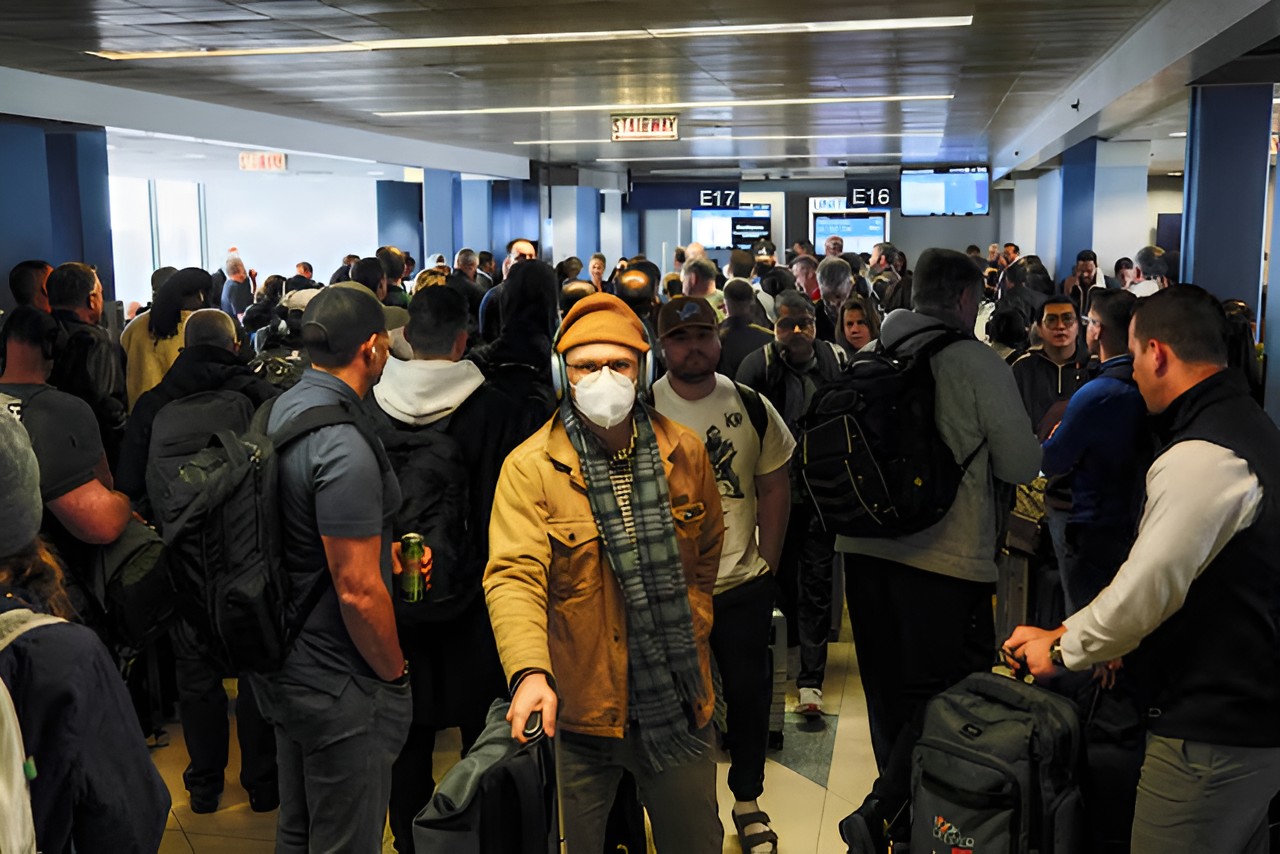
The Federal Aviation Administration has paused further installation of Juniper network routers while investigators examine a communications failure associated with two upgraded locations. The nearly five-hour nationwide ground stop on November 13 led to more than 18,000 flight cancellations and disrupted hundreds of thousands of travelers. Transportation Secretary Sean Duffy called it the longest U.S. aviation shutdown since the September 11, 2001 attacks.
The unresolved issue is why equipment installed as part of a communications upgrade was associated with a data surge that destabilized older infrastructure across much of the country. According to the FAA’s account of the shutdown, instability reached 17 of its 22 en route air traffic control centers and spread into several terminal-control facilities. Some radio frequencies and radar feeds remained available, and approximately 3,500 aircraft in flight landed safely.
Investigators have narrowed their initial focus to an FAA radio communications facility in El Dorado, Arkansas, and a radar site in Amarillo, Texas. L3Harris Technologies, the FAA’s network service provider, had installed a new Juniper router at El Dorado and replaced the Amarillo router three weeks before the disruption.
The FAA said its legacy telecommunications equipment became unstable when data flooded the network at a reported rate of 1,000 connection attempts every four to five seconds. The surge disrupted aircraft communications and radar feeds, but officials have not established why the newly installed equipment was involved or whether the underlying problem was defective hardware, installation, configuration or another interaction within the network.
L3Harris blocked traffic from the two locations, after which the network stabilized. The relevant broadcasting function was disabled on the new routers and approximately 60 similar devices as a precaution. The two routers are undergoing testing at an L3Harris laboratory in Florida, and the contractor said it is cooperating with the official investigation. Juniper’s parent company, Hewlett Packard Enterprise, said the equipment was operating as configured.
A large conversion now faces a testing gate
The installation pause affects a much larger copper to fiber transition. Based on information L3Harris provided to members of the Senate Commerce Committee, the project covers 3,648 Juniper routers. Of those, 400 have been installed and 69 are operational. Thousands of conversions therefore remain exposed to whatever changes emerge from the investigation.
The scale makes the next phase more than a laboratory hardware check. A router can pass pre-deployment testing and still encounter traffic patterns, dependencies or configuration conditions that were not fully represented in the test environment. The devices reportedly passed sample testing before installation, yet the operational network still experienced an overload severe enough to produce nationwide restrictions.
Thirteen Democratic senators on the committee have asked the FAA to require improved operational testing, independent validation, verified failover capability and rollback procedures before deployment resumes. Their November 16 letter also seeks an explanation for why existing redundancy did not support an immediate recovery.
Those safeguards address different parts of the conversion risk. Operational testing asks whether the equipment behaves correctly under conditions resembling the live FAA network. Independent validation adds review outside the installation chain. Failover checks determine whether alternate communications paths can carry the required functions when one part of the system becomes unstable. A verified rollback plan provides a controlled route back to the previous configuration if a deployment produces unexpected behavior.
The FAA’s response during the incident protected aircraft already in the air by restricting new departures while controllers and pilots used the communications and radar feeds that remained reliable. That safety response, however, came with a major capacity cost: traffic resumed only after the two suspected locations were isolated and the network remained stable for a period of observation.
The investigation must now move beyond identifying where the excessive traffic appeared. Before the remaining Juniper conversions proceed, the FAA has to determine what generated the overload, why it propagated through 17 regional centers and whether failover and rollback measures can contain a comparable fault without another nationwide shutdown.
| More aerospace and engineering stories, right in your MSN feed. Follow AMI on MSN |
By David Whitaker — Associate editor for AMI’s aerospace and drone systems desk, translating flight systems, aircraft programs, spaceflight, and UAV developments into accessible technical stories.