Nvidia Stops Licensed China AI Chip Shipments After $2.4 Billion Quarter
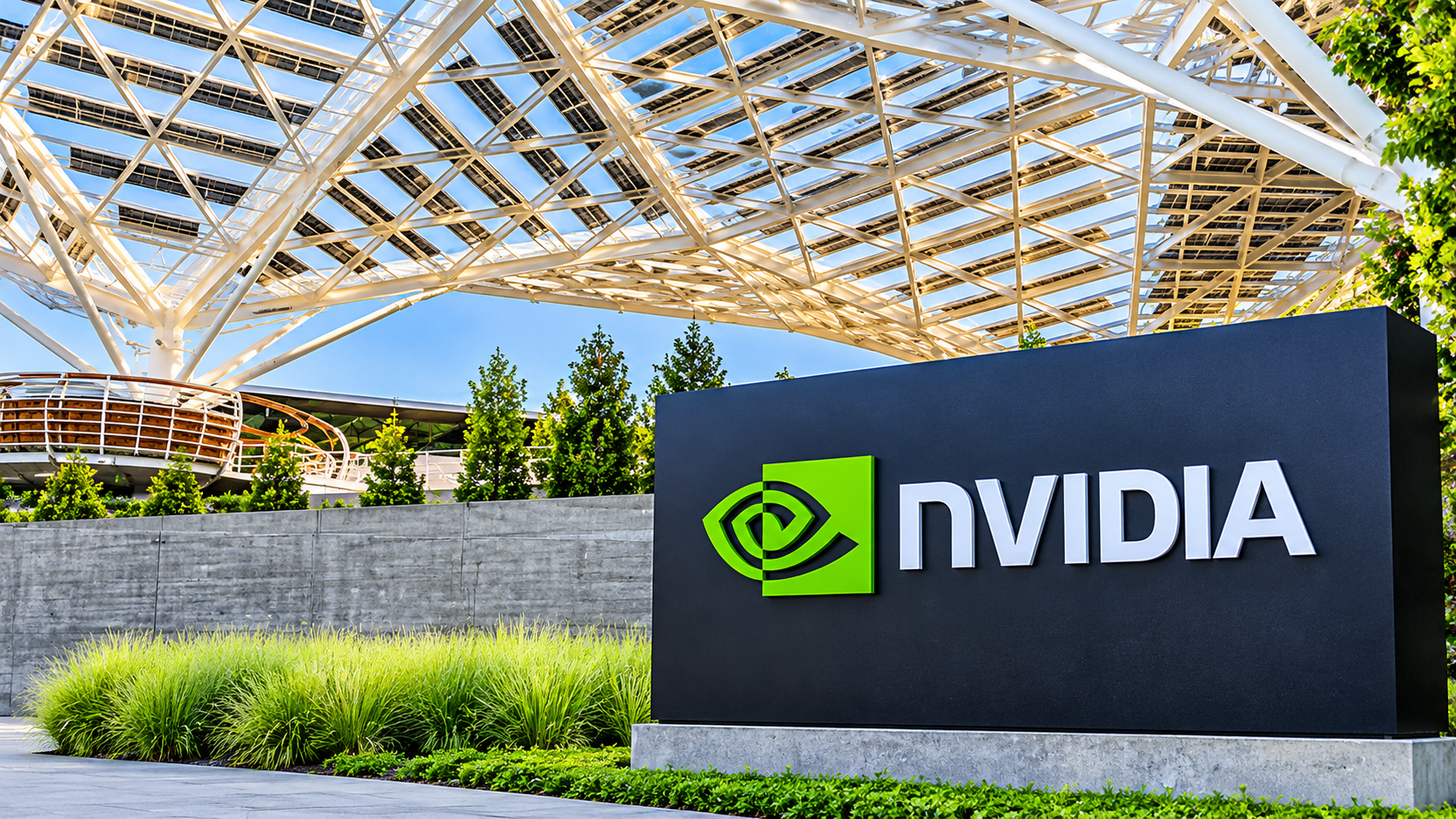
Nvidia has stopped shipping its licensed Hopper-generation artificial-intelligence processors to China even though the United States had approved a route for eligible sales. The reversal came after Nvidia sold $2.4 billion of the data-center products to China during the quarter ended October 25, showing that regulatory approval alone could not keep a complex cross-border hardware channel operating.
Interim CEO Colette Kress disclosed the halt during an earnings call, saying, “Our guidance does not have any licenced Hopper data centre products included, and we are no longer shipping licenced Hopper data centre products to China.” Kress, who replaced Jensen Huang after his resignation the previous week, did not explain why shipments stopped or whether the suspension would be permanent. Nvidia’s decision raises doubts about the durability of the special licensing arrangement negotiated by Washington and Beijing.
The immediate uncertainty extends beyond future orders. Approximately 600,000 H200 chips were being stored in Hong Kong awaiting shipment to mainland China after Beijing withheld approval for large-scale imports, according to previous Reuters reporting. Several major Chinese internet companies had separately obtained about 10,000 H200 processors each in recent months.
Approval did not guarantee delivery
The Hopper family includes the H200, a high-performance processor designed to train and run advanced AI models. Such processors reach customers through a chain involving fabrication, export authorization, transport, customs treatment, import approval and installation into data-center systems. A restriction or delay at any one stage can interrupt delivery even when another government has licensed the sale.
The United States introduced export controls on advanced chips in 2022 and subsequently tightened China’s access. It eased its H200 licensing policy in January by allowing applications to be reviewed individually under security conditions. Washington approved sales to 10 Chinese companies, including Alibaba, Tencent and ByteDance, according to Reuters.
China later restricted H200 imports as it sought to reduce dependence on American technology, despite demand among Chinese companies for more AI computing capacity. That created the central systems conflict: exporters could receive permission from the United States while intended customers still lacked Chinese approval to bring large volumes into the mainland.
The stalled inventory in Hong Kong illustrates the difference between commercial demand and a completed supply chain. Six hundred thousand processors represent hardware that may have cleared manufacturing and part of the export process but remained short of its intended destination. The information available does not specify whether all those units were associated with completed customer sales, nor does it establish what will happen to them while shipments are halted.
A costly routing requirement added another dependency
The permitted route was also unusually indirect. TSMC manufactures H200 chips for Nvidia in Taiwan, but the export arrangement required eligible processors to be imported into the United States before onward shipment to China. A 25% tariff applied under that structure.
Routing Taiwan-made processors through the United States added another border crossing, more handling and an additional compliance checkpoint to an already regulated delivery path. The tariff also attached a substantial cost to maintaining access to the Chinese market. Those requirements may explain why the channel was operationally fragile, although Nvidia has not connected any particular rule, tariff or Chinese restriction to its decision to stop shipping.
For customers, processor availability is only one part of building AI capacity. Data centers also require servers, networking, power, cooling and software integration. A delayed accelerator shipment can therefore hold up equipment deployment beyond the chips themselves, while uncertain future supply complicates planning for systems expected to operate for years.
Nvidia has removed licensed China Hopper sales from its guidance, making the present operating assumption straightforward: the channel is not contributing expected near-term shipments. What remains unresolved is whether the halt is temporary, whether Beijing will authorize the processors waiting in Hong Kong and whether a sales mechanism burdened by export reviews, import restrictions and tariff-driven routing can resume at scale. For now, a route that moved $2.4 billion of advanced computing hardware in one quarter has stopped with roughly 600,000 H200 chips reportedly still awaiting entry into mainland China.
| More aerospace and engineering stories, right in your MSN feed. Follow AMI on MSN |
By Thomas Caldwell — AMI’s senior editor for mechanical and mobility engineering, covering vehicle electronics, systems integration, electrification, chassis systems, propulsion, and safety policy.