Europe’s Aviation Regulator Expands Urgent Airbus A380 Wing Checks to 24 Aircraft
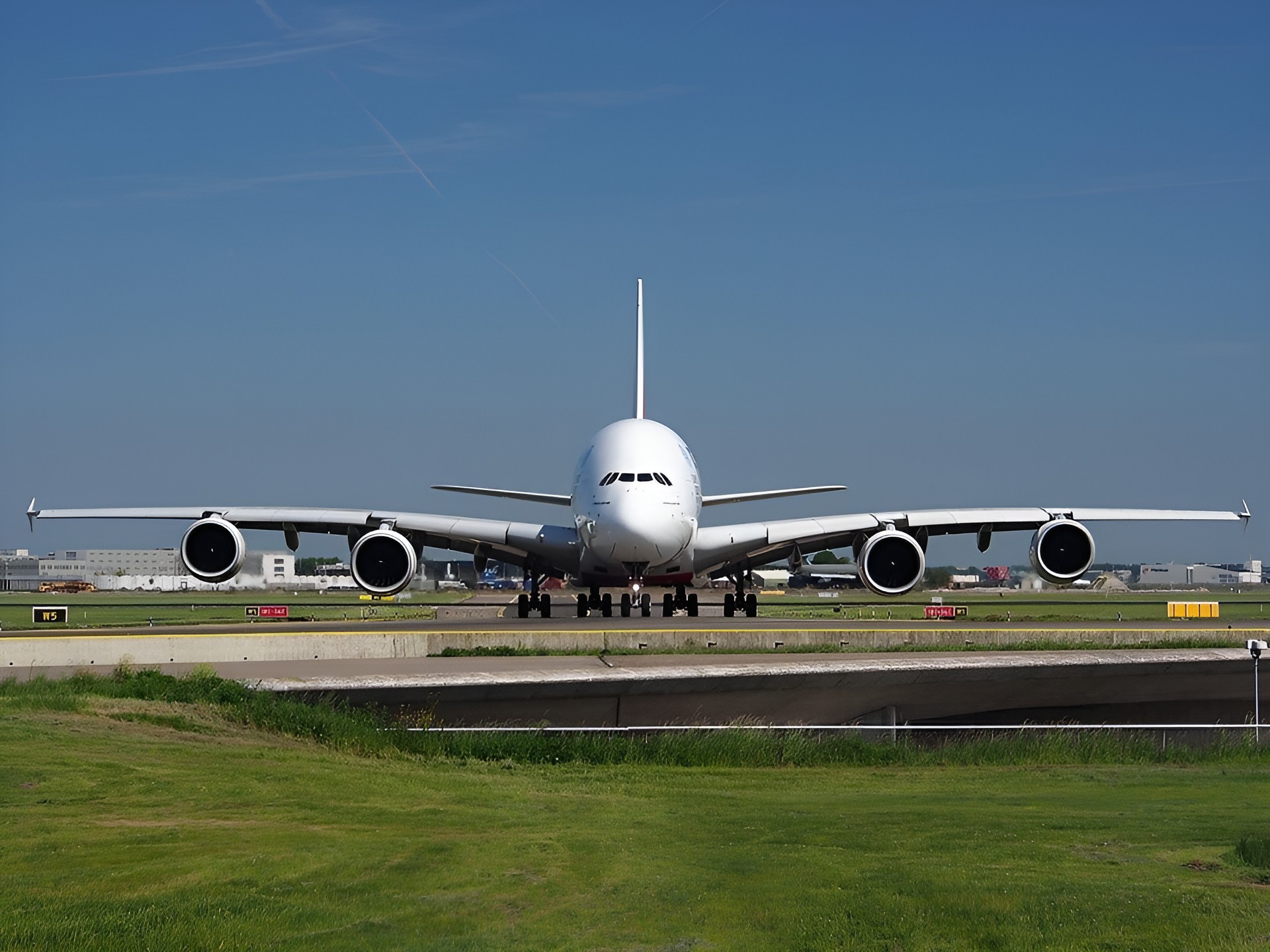
Europe’s aviation safety regulator has widened urgent wing inspections to 24 Airbus A380s after identifying eight more aircraft that may share a potential structural problem. The European Union Aviation Safety Agency directive takes effect Nov. 18 and requires checks of the aircraft’s wing mid spars, with the most urgent cases barred from further flight until the inspection is completed.

The affected group comprises 22 A380s operated by Emirates, one operated by Etihad Airways and one operated by Qantas, according to Aviation Week Fleet Discovery. The new directive supersedes an order issued in June and is described by EASA as an interim action, leaving open the possibility of further regulatory requirements as inspections and technical assessments continue.
Deadlines vary sharply across the 24 aircraft
The compliance schedule depends on each aircraft’s serial number. Some A380s must be inspected before their next flight, while others can operate for up to 25 flight cycles before the work is due. The eight aircraft added since the June directive have a deadline of Jan. 31, 2027.
That range is the central operational tension in the order. All 24 aircraft fall within the expanded inspection group, but EASA has not assigned them identical urgency. For operators, a before next flight requirement creates an immediate maintenance constraint: the affected aircraft cannot continue its schedule until the mandated check is performed. A 25-cycle limit provides a small planning window, while the 2027 deadline gives operators substantially more time to place the eight newly identified aircraft into an appropriate maintenance slot.
The directive does not specify a common service interruption for the fleet. Its aircraft-by-aircraft deadlines instead tie compliance to the regulator’s assessment of which individual airframes require the earliest attention. The practical burden therefore depends on serial number, current operating status and access to the inspection work not simply on whether an airline operates the A380.
Why the mid spars are being checked
The concern involves accelerated cracking in certain A380 wing spars following extended periods in storage. Hydrogen embrittlement was identified as the cause. The new checks concentrate on the wing mid spars, structural members that contribute to carrying loads through the wing.
Hydrogen embrittlement is a material-degradation process in which atomic hydrogen can reduce a metal’s fracture toughness or ductility. A NASA technical review of the phenomenon notes that associated cracks can have very small openings and little visible deformation, making specialized nondestructive examinations important for detection. That general behavior helps explain why a regulator can require targeted inspections even when an aircraft shows no obvious external indication of structural damage.
The A380 action has developed in stages rather than through a single fleetwide emergency order. The directive series began in 2023, after which inspection requirements were extended across the A380 fleet. Regulators later imposed more detailed and urgent requirements on a narrower set of aircraft. Since the June directive, EASA has determined that eight additional A380s may be subject to the same potential unsafe condition, bringing the current urgent-inspection group to 24.
Long-term aircraft storage is itself a controlled maintenance state rather than a matter of simply parking an airframe. International guidance calls for preservation measures, periodic inspections and manufacturer-defined return to service work. In this case, however, the regulatory concern is specifically the identified relationship between extended storage, hydrogen embrittlement and accelerated spar cracking on certain A380s not every aircraft that has spent time out of service.
Calling the directive an interim action indicates that the inspections address the current safety concern without representing EASA’s final regulatory step. The immediate milestone is clear for each affected airframe: inspection before another flight, within 25 flight cycles or, for the eight newly added aircraft, no later than Jan. 31, 2027.
| More aerospace and engineering stories, right in your MSN feed. Follow AMI on MSN |
By David Whitaker — Associate editor for AMI’s aerospace and drone systems desk, translating flight systems, aircraft programs, spaceflight, and UAV developments into accessible technical stories.