Pentagon’s Patriot Missile Push Hits Scarce Heat-Resistant Rayon Fabric
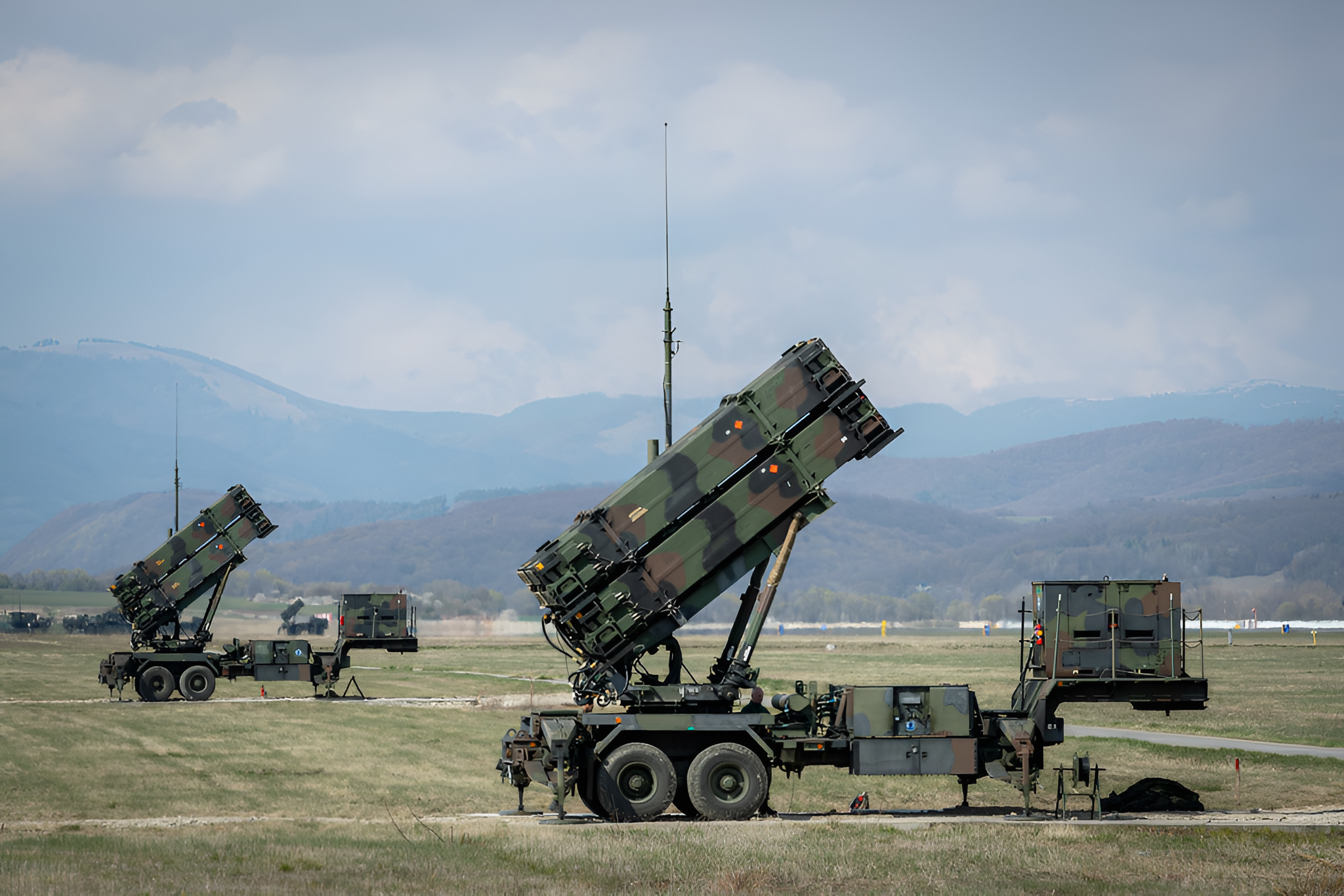
The Pentagon wants more advanced Patriot interceptors, but the production increase is running into limited supplies of a specialized carbonized rayon fabric. Earlier in 2026, a senior Pentagon official met Park Aerospace, a vendor several tiers down the supply chain of a leading US missile manufacturer, and pressed the company for more of the material.
Park’s Kansas factory processes the fabric, yet it does not manufacture the underlying carbonized cloth. That comes from ArianeGroup, the French rocket and missile producer, at a facility near Bordeaux. ArianeGroup had told Park that available supply was limited, placing the immediate constraint in France rather than at Park’s Kansas operation.
A fabric working at extreme temperatures
This is not apparel-grade rayon. Carbonization converts rayon into a material suited to severe thermal loads, with the resulting fabric able to withstand temperatures in the thousands of degrees. Park describes its C2 carbonized rayon as a high-strength woven cloth intended for high-temperature ablative applications, including rocket nozzles, heat shields and combustion chambers.
In an ablative structure, the material is intended to tolerate intense heat while progressively eroding, helping protect the structure beneath it. That combination of thermal behavior, mechanical integrity and predictable erosion is why substitution is not as simple as buying a nominally similar carbon cloth. Only one rayon product of this type is approved for the most advanced Patriot missiles.
Qualification is the central manufacturing constraint. A different fiber source, weave, carbonization cycle or processing route can alter density, strength and thermal response. For a component operating under extreme heat, those variations have to be characterized and validated before another material can enter production. A new supplier may therefore add industrial capacity without immediately adding approved Patriot output.
One approved chain crosses two countries
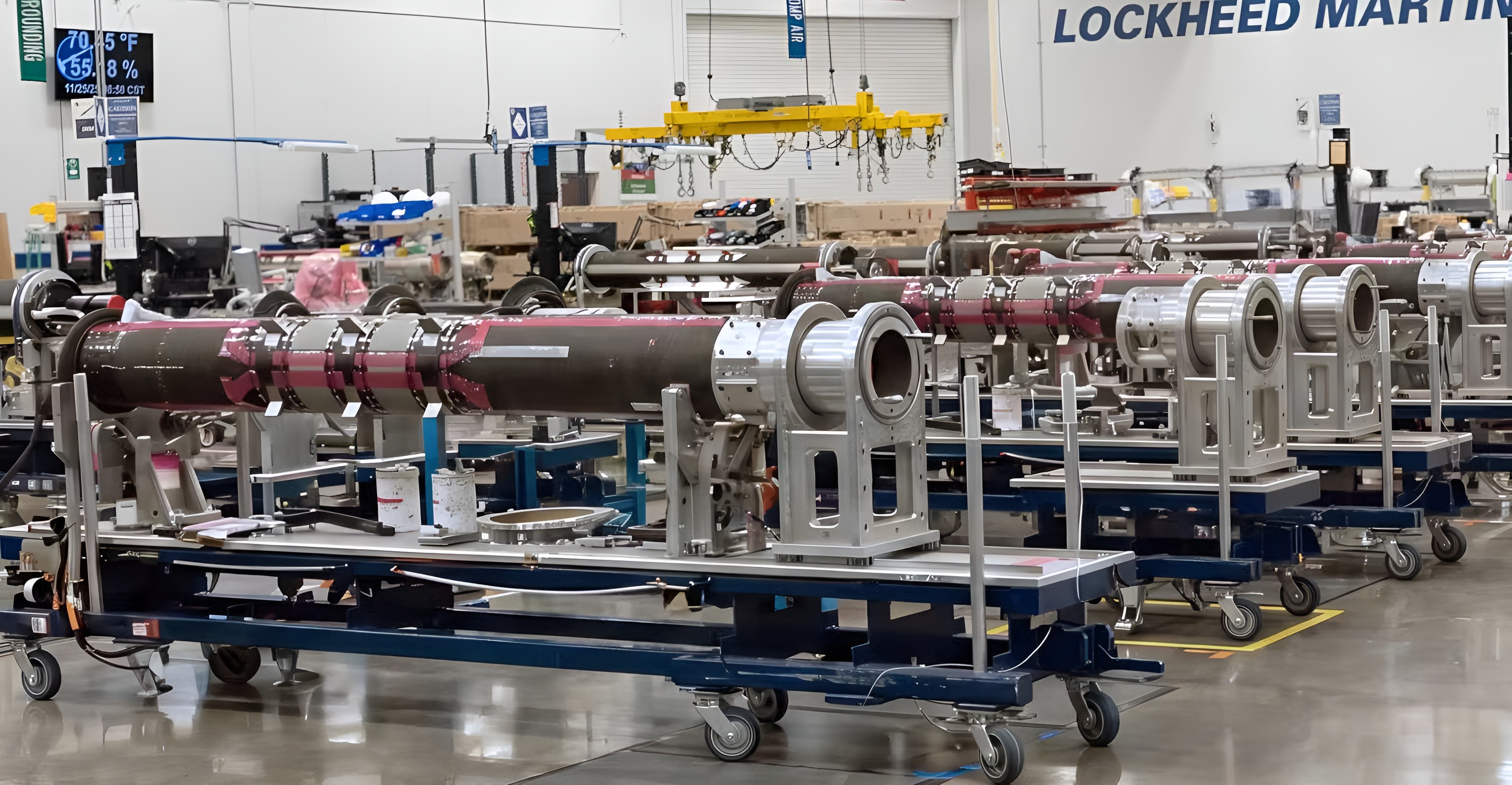
The chain begins with ArianeGroup’s fabric near Bordeaux and continues through Park for additional processing in Kansas. Further downstream, other companies manufacture and assemble the interceptor and its propulsion hardware. The Pentagon can fund larger final-assembly facilities, add workers or order more units, but those measures cannot bypass a shortage in an approved material several tiers earlier.
A Wall Street Journal investigation summarized by AeroTime described the rayon constraint as one of many chokepoints in the US munitions industry. Here, the mismatch is particularly clear: a globally sought missile-defense interceptor depends on a little-known fabric from one approved production chain spanning France and Kansas. A humble fabric is snarling plans to expand a crucial defense system.
The bottleneck also illustrates why production rates cannot always be increased by concentrating investment at the prime contractor. Material suppliers can sit far from final assembly, serve several civil and military programs, and rely on specialized equipment with long installation and commissioning schedules. When a single material is qualified, the available output of that upstream process effectively caps everything downstream.
Capacity is coming, but not immediately
Park and ArianeGroup are working to expand Raycarb output in France. Park agreed in March 2025 to advance €4.59 million, approximately $5 million, against future purchases to support new French production equipment. That expansion is expected to be ready in 2028, and its additional output is to be divided equally between Park and ArianeGroup’s own programs.
The companies are also planning a US facility dedicated to the fabric. Under a preliminary agreement signed in July 2026, Park committed $25 million in advance payments, with all output from that proposed plant reserved for Park. As of October 8, the companies expected to finalize the agreement before the end of 2026; its location had not been disclosed.
Domestic alternatives are being developed as well. In September 2025, the Pentagon awarded ICF Mercantile $9.3 million to establish a US source of rayon filament for carbon-phenolic ablative materials. Americarb received $12.6 million to develop conversion of woven rayon into carbonized rayon-phenolic material. Those projects address different stages of the dependency, but any replacement intended for the advanced Patriot interceptor would still require testing and qualification, potentially taking years.
The planned capacity additions can widen the supply base over time. Until they are operating and any alternative material is approved, however, the Patriot production push remains tied to how much specialized fabric ArianeGroup can produce near Bordeaux and Park can process in Kansas.
| More aerospace and engineering stories, right in your MSN feed. Follow AMI on MSN |
By Edward Collins — Senior editor for AMI’s performance systems and mechanical design coverage, focused on powertrains, drivetrain systems, manufacturing precision, materials, and high-performance engineering.