Virginia-Class Submarines Need 300-Plus China-Linked Mineral Component Types
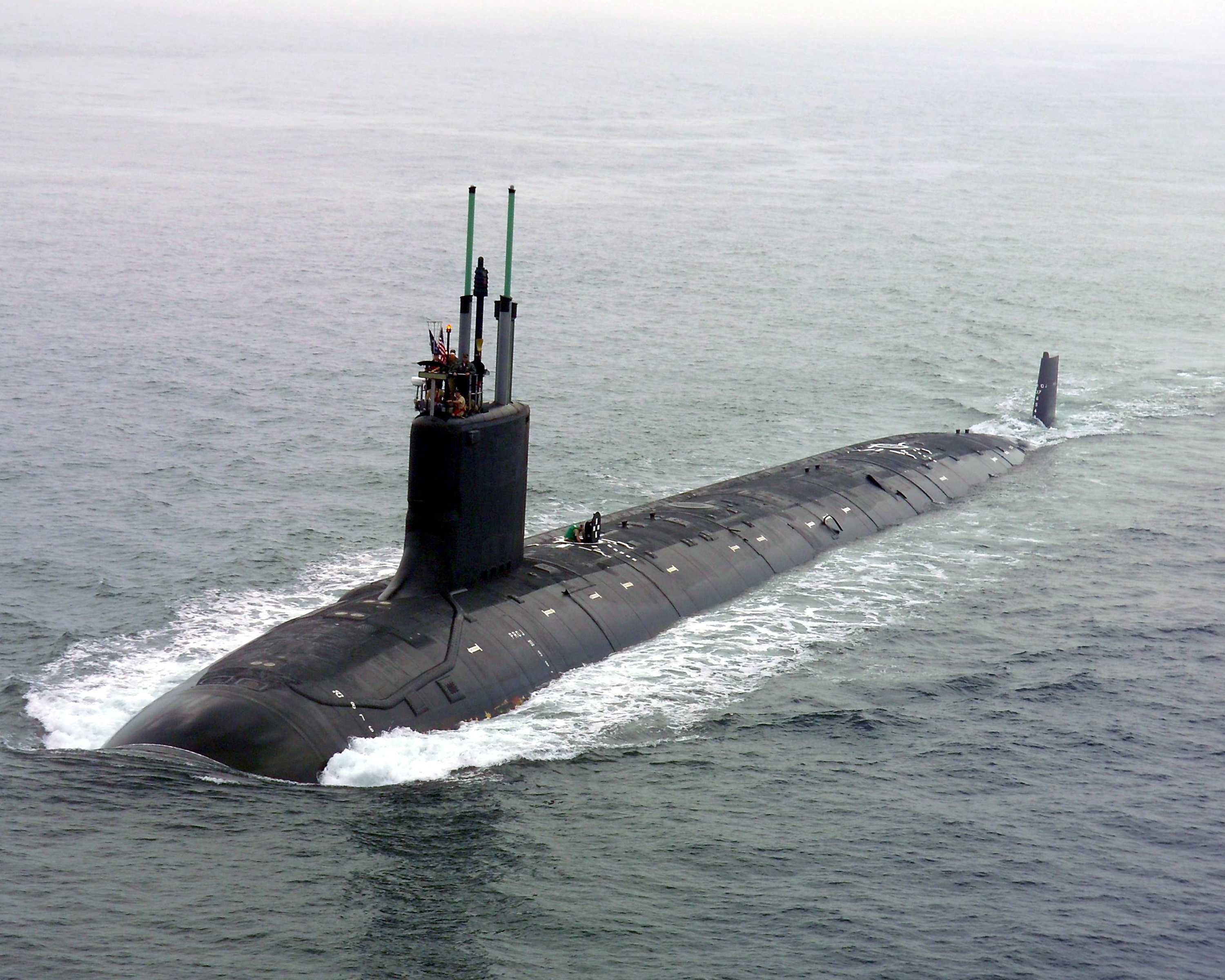
More than 300 critical component types in each Virginia-class submarine contain antimony, gallium, germanium or tungsten, according to a new component-level assessment of the U.S. defense supply chain. Of those submarine components, 190 involve germanium and 50 contain gallium materials for which China controls much of the world’s refined or processed supply.

The scale emerged from a Special Competitive Studies Project white paper using supply-chain intelligence from Exiger. The analysis examined almost nine million parts across 3,000 U.S. military weapon systems and identified more than 28,000 unique components across 1,400 systems containing at least one of the four minerals.
That reach means a mineral disruption would not remain confined to mines or metal traders. It could move downstream into production, repairs and maintenance for recognizable platforms including Virginia-class submarines and F-35 fighters. The four materials are distinct critical minerals rather than four chemically interchangeable rare-earth elements, and replacing one does not automatically resolve dependence on the others.
Germanium and gallium create concentrated exposure
China controls approximately 68% of refined germanium and up to 99% of gallium production, according to the assessment. Suspended Chinese export controls could therefore affect manufacturers attempting to secure material or licenses, although the severity would depend on inventories, approved suppliers and the specific form of material required.
The Virginia class stands out because its exposure combines mineral dependence with the manufacturing demands of a nuclear-powered attack submarine. The paper says each boat requires 9,200 pounds of rare-earth elements by mass, compared with 900 pounds for an F-35. That separate rare-earth figure illustrates the broader material intensity of the submarine, but it should not be conflated with the count of components containing antimony, gallium, germanium and tungsten.
The Pentagon has announced an $18 million investment in the only U.S. germanium production facility, at St. George, Utah. The project is intended to increase refining capacity sevenfold to more than 20 metric tons per year. That addresses one processing choke point, but expanding a refinery does not immediately qualify every downstream alloy, semiconductor or finished component for military use.
The bottleneck extends beyond raw minerals
A Virginia-class submarine also contains 1,700 mission- or safety-critical parts that require casting, forging or extrusion. These processes depend on specialized furnaces, dies, tooling, heat treatment, precision machining and inspection capacity. A shortage at any stage can hold up a finished assembly even when raw metal remains available.
An analysis cited in the paper found that 10 of the 12 Virginia-class submarines under construction faced delays of 36 to 44 months. Limited domestic large-scale casting capacity may be one contributor, but the assessment does not attribute every delay to mineral shortages or any single manufacturing process.
The wider component data show why lead times can become difficult to compress. Nearly 8,000 unique supply items containing steel castings have delivery lead times beyond 36 weeks, as do more than 9,400 items containing extruded aluminum. The F/A-18 family requires 3,800 individual steel-cast parts, the highest total listed. The KC-135 has 2,570 cast parts and 2,780 cadmium-plated component types, while two cited B-52 components a rib airfoil and a fuel vent valve have lead times exceeding 400 days.
Mineral exposure also reaches other advanced aircraft. The B-2 Spirit requires 782 parts containing the four minerals examined. The F-35’s stated requirement for 900 pounds of rare-earth elements places it within the same broader problem: advanced electronics, sensors, propulsion hardware and actuators can depend on highly processed materials sourced through narrow supplier networks.
One factory can affect more than 1,000 systems
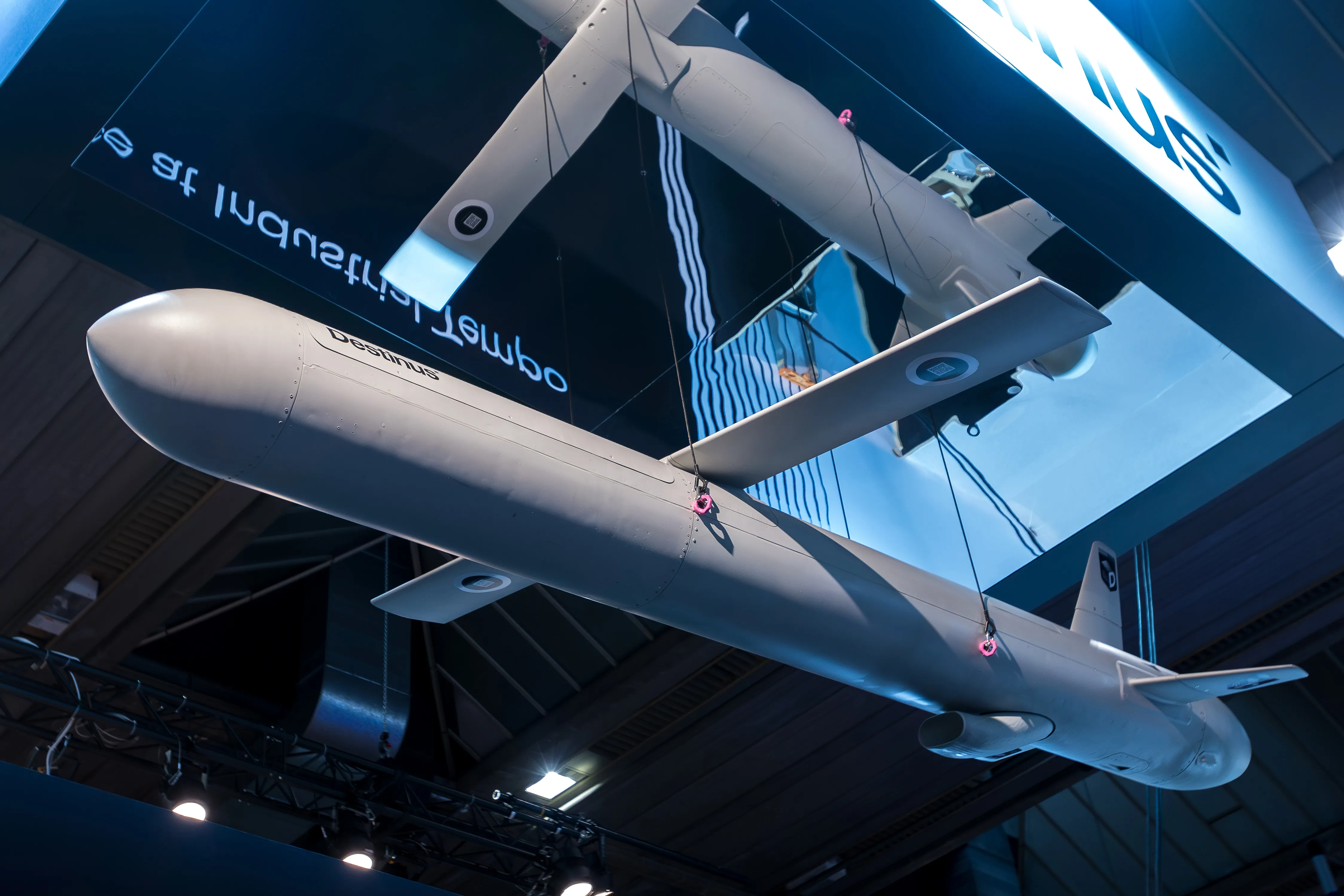
The February 2025 fire that closed the SPS Technologies fastener facility in Jenkintown, Pennsylvania, demonstrates the separate risk of concentrated component manufacturing. The plant supplied parts for more than 1,000 weapon systems and was the sole source for certain components used in the Tomahawk Land Attack Missile and MH-60 Black Hawk helicopter. Operations are expected to remain offline until at least 2028.
Qualifying another source is more demanding than purchasing a nominally similar fastener. Material chemistry, forming accuracy, heat treatment, coatings, fatigue performance, traceability and inspection procedures may all need validation. The supplier base has also narrowed: the number of small defense suppliers has fallen by 43% over the past decade, according to the paper.
The approaching January 2027 restrictions on specified critical materials from China and other designated countries add a firm compliance pressure. An Army official has said industry is likely to experience “some impact,” while aerospace suppliers have warned that significant domestic processing, refining and magnet capacity may not be available until 2028 or later, as detailed in this industry and Army update.
Domestic production is growing Mountain Pass produces more than 50,000 tons of rare-earth oxides annually but extraction is only the first step. Refining, alloying, component manufacture and military qualification require separate facilities and skills. With the report estimating that a new U.S. mine takes an average of 29 years to open, the more immediate constraint may remain the qualified processing plant, foundry or sole-source component maker that sits between mineral ore and a completed submarine.
| More aerospace and engineering stories, right in your MSN feed. Follow AMI on MSN |
By Edward Collins — Senior editor for AMI’s performance systems and mechanical design coverage, focused on powertrains, drivetrain systems, manufacturing precision, materials, and high-performance engineering.