French Rayon Shortage Slows Pentagon Push to Triple Patriot Missile Output
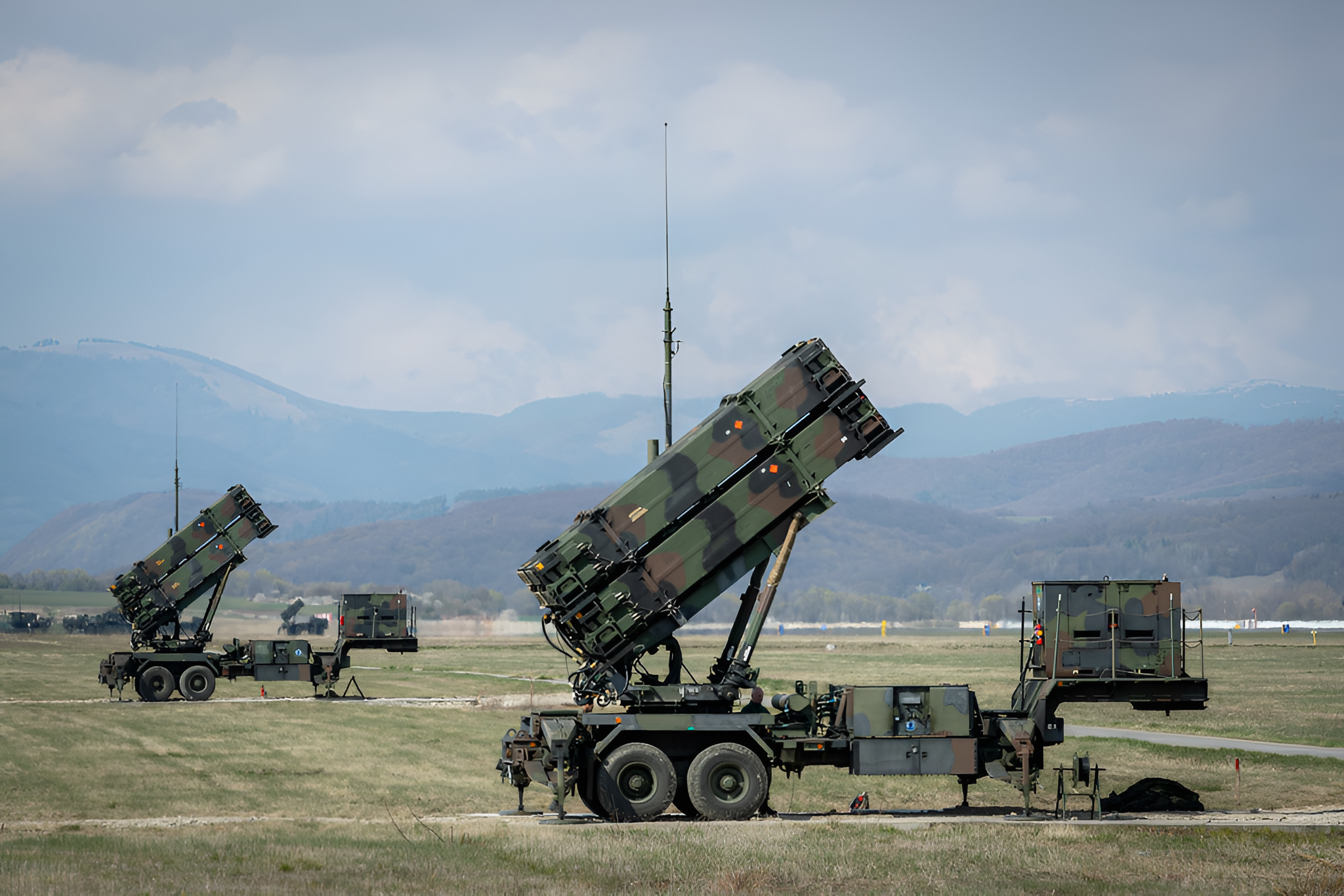
The Pentagon wants to more than triple production of Lockheed Martin’s Patriot interceptors by the end of 2030, but that expansion is constrained by an unusually narrow materials chain. The required heat-resistant rayon passes through one limited French producer before reaching Park Aerospace in Kansas, the only supplier currently certified to process the specialized material for Patriot missiles.

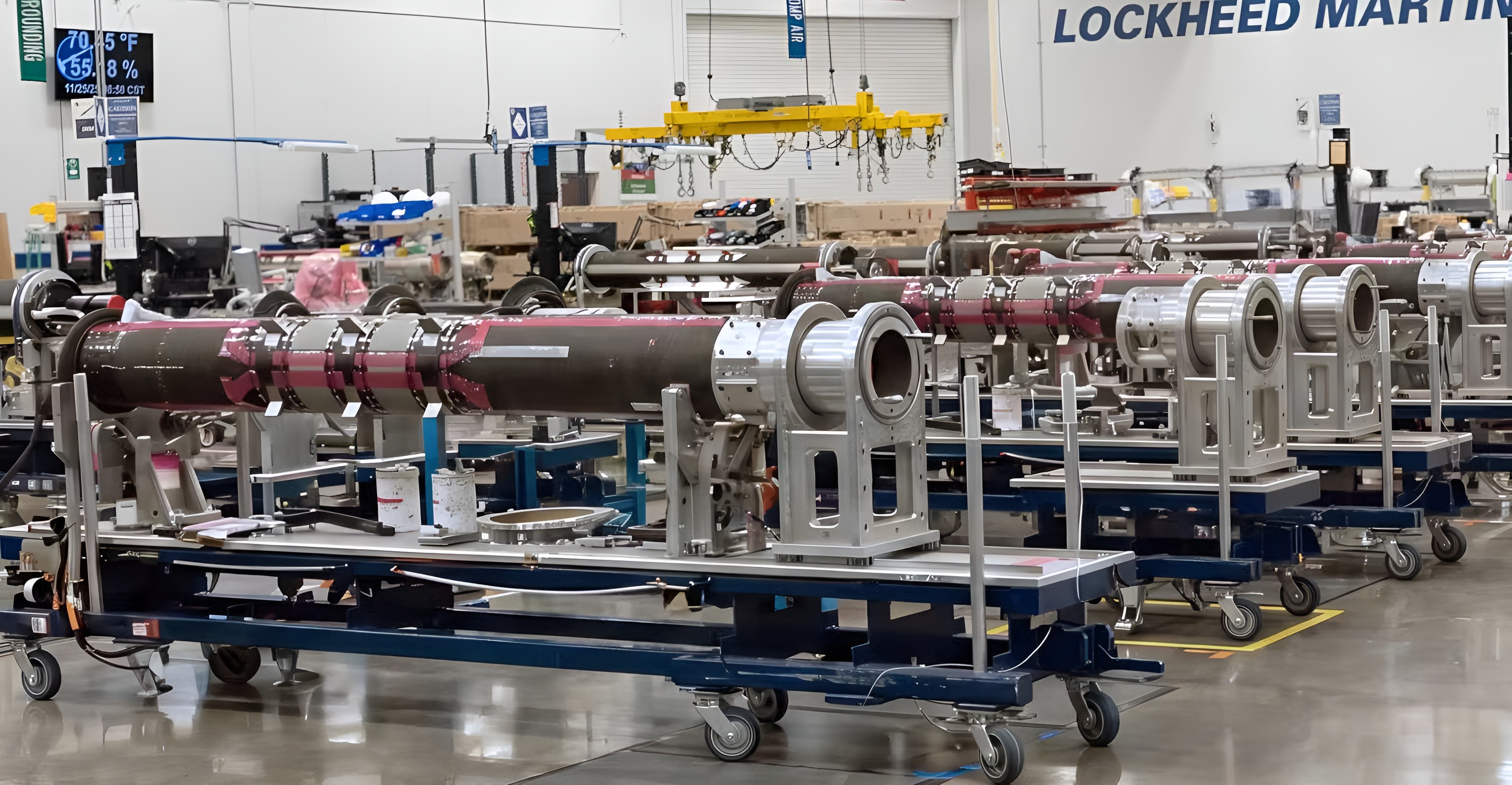
The bottleneck sits deep inside the PAC-3 MSE interceptor’s solid-rocket motor. Each interceptor takes roughly two years and hundreds of components to manufacture. Among them is a carbonized rayon fabric capable of enduring extreme temperatures and protecting motor components from hot exhaust gases. It is an obscure material compared with the interceptor’s guidance and electronic systems, but production cannot scale without it.
A supply chain crossing four countries
The material starts as thread at a Czech factory owned by a Thailand-based chemicals conglomerate. France’s ArianeGroup carbonizes that thread into fabric and supplies it to Park Aerospace. Park applies a custom-designed resin in a temperature-controlled facility, after which L3Harris Technologies installs layers of the processed material inside solid-rocket-motor nozzles sent to Lockheed Martin’s Patriot factory.
Every stage has tightly controlled material and process requirements. Carbonization changes the rayon into a carbon-rich structure, while the subsequent resin treatment produces a heat-resistant composite suitable for the nozzle environment. Performance depends on more than the nominal fiber type: precursor consistency, carbonization conditions, resin chemistry, fabric handling and final processing all affect the finished component.
ArianeGroup has indicated that its supply of specialized rayon is limited, according to The Wall Street Journal. That leaves the planned production increase exposed to a single upstream source in France, even as the Pentagon uses multiyear contracts with Lockheed Martin and L3Harris to support higher output. Lockheed has separately said its production framework is intended to triple PAC-3 MSE capacity by 2030, with annual output eventually reaching 2,000 interceptors, according to Reuters.
New factories will not close the near-term gap
Park has pledged a $5 million advance for a new ArianeGroup production line in France. That line is expected to begin producing rayon in 2028, but its planned capacity is not expected to satisfy US demand. ArianeGroup has also signed a preliminary agreement for a US factory, supported by a promised additional $25 million advance from Park. Its expected opening around 2030 puts meaningful domestic capacity close to the Pentagon’s deadline rather than well ahead of it.
Park is also expected to construct a new $65 million plant in Oklahoma. That investment can increase downstream processing capacity, but it does not by itself create more qualified precursor fabric. A larger coating and composite-processing operation still depends on carbonized rayon arriving with the required characteristics and documentation.
Alternative supply is therefore being pursued as an interim measure. Park and L3Harris are testing rayon from German manufacturer Enka and other sources. US defense contractors and the Pentagon committed to buying more than 470,000 pounds of Enka material over two years, temporarily delaying the company’s planned factory closure. Enka production could nevertheless end in 2028, and its rayon is not currently qualified for PAC-3 MSE use.
Qualification is the harder constraint
Substituting another rayon is not equivalent to changing a general-purpose textile supplier. Park chief executive Brian Shore described the risk to the Journal: You could go down the path for two years, everything’s looking good, then at the last test it fails, and now you’re back to the drawing board.
A historical NASA program illustrates why aerospace-grade rayon replacement takes time. After North American Rayon Corporation discontinued its aerospace-grade product in 1997, a Space Shuttle solid-rocket-motor nozzle screening effort evaluated 12 cellulose-based fibers from three vendors. Six candidates were eliminated after the first phase because of processing difficulties, poor composite mechanical performance or concerns about future availability, according to the program’s screening summary. The Shuttle material and Patriot application are separate programs, but the earlier work demonstrates how nominally similar fibers can diverge during fabrication and high-temperature testing.
That leaves the production plan running against two clocks. Additional French output is expected in 2028, yet remains insufficient for projected US demand. A proposed American source may not open until around 2030, while alternatives could spend years in qualification without being accepted. The Patriot expansion is backed by large contracts and new plants, but its pace still depends on whether one specialized heat-shield fabric can be produced, validated and delivered quickly enough.
| More aerospace and engineering stories, right in your MSN feed. Follow AMI on MSN |
By Edward Collins — Senior editor for AMI’s performance systems and mechanical design coverage, focused on powertrains, drivetrain systems, manufacturing precision, materials, and high-performance engineering.