Ukrainian Drones Hit Gazprom’s Salavat Refinery as Russian Fuel Shortages Spread
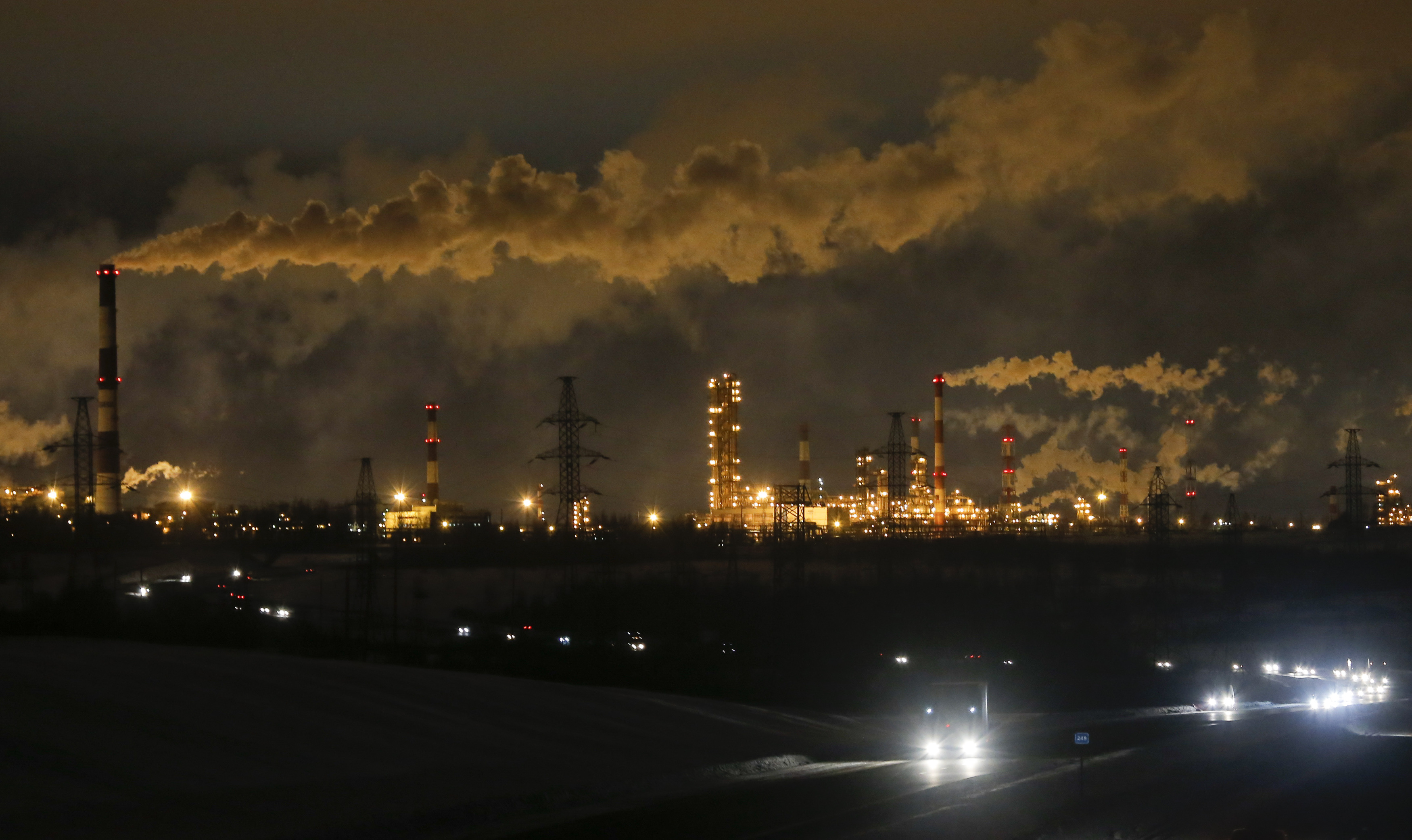
Ukrainian drones reportedly hit the Gazprom Neftekhim Salavat complex in Russia’s Bashkortostan region on Aug. 13, adding a new fire to the uncertainty surrounding a refinery already recovering from an earlier shutdown. Bashkortostan head Radiy Khabirov said falling drone debris caused a fire in an industrial area of Salavat and that emergency services were deployed. Ukrainian monitoring channels identified the refinery as the target, while The Associated Press reported the strike as part of a wider series of attacks on Russian oil facilities.

The immediate production consequence remains unconfirmed. No quantified damage assessment for the Aug. 13 fire has been released, and it has not been established whether the incident caused another shutdown or extended existing repairs. That uncertainty is important because Salavat had already stopped operating after a July 14 drone attack reportedly damaged two primary processing units. Reuters, citing informed sources, said those repairs could take several weeks to several months.
A large site was already out of normal operation
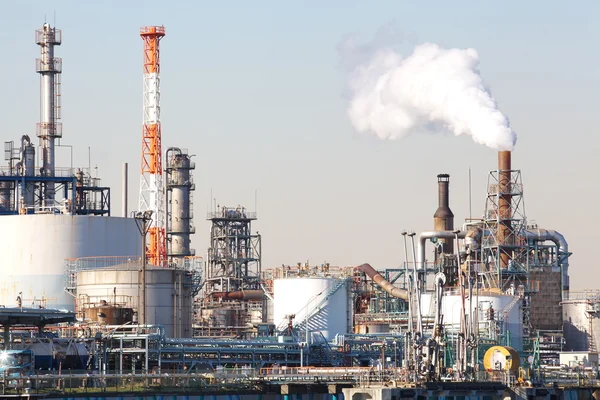
Salavat is Gazprom’s largest petrochemical complex and one of Russia’s major oil-processing sites. Its stated annual capacity is as much as 7.5 million metric tons of crude, equivalent to roughly 2.7% of the country’s refining capacity. It produces gasoline, diesel, kerosene and liquefied gases alongside ammonia, urea and other petrochemicals.
That capacity figure does not mean the Aug. 13 fire removed another 2.7% of Russian supply. A refinery’s nameplate capacity is its maximum processing scale, not a measurement of current output or damage. The more consequential fact is that a large, multiproduct complex was hit again while work from the previous stoppage was still expected to take weeks or months. Repeated interruptions can keep equipment, repair crews and replacement components committed even when the latest incident does not destroy an entire processing train.
The Salavat fire also arrived amid outages elsewhere. At least four Russian refineries reportedly stopped processing crude after attacks from the beginning of August, while an S&P Global analysis found that at least 26 oil-processing facilities had experienced disruptions during 2026. Seven were still offline at the end of July. EA Analytics placed national refining output near 3.6 million barrels per day, described as the lowest level since May 2002.
Refining losses reach consumers before crude supplies disappear
A refinery outage is not the same as a shortage of crude oil. The constraint appears when available plants cannot convert enough crude into the particular fuels demanded by motorists, freight fleets, farms and aviation. Gasoline and diesel supply depends on a sequence of processing stages, and restoring one part of a refinery does not necessarily return its complete product mix or full throughput.
The International Energy Agency’s September assessment put Russia’s installed refining capacity at approximately 6.5 million barrels per day and said June throughput had fallen to 3.8 million barrels per day, about 30% below the previous year. It reported gasoline output down 20% from 2025 and estimated that diesel production had fallen nearly 30%. The agency said Russia responded with restrictions on gasoline, jet-fuel and diesel exports as authorities sought to preserve domestic supplies.
Those system-level constraints are now visible at filling stations. Residents in at least 16 Russian regions reportedly encountered renewed lines and sales limits, and some Gazprom and Lukoil stations stopped offering AI-92 and AI-95 gasoline in certain areas. These reports do not prove that the latest Salavat fire caused any specific local shortage. They show why another uncertain repair burden matters when national processing output is already reduced.
Repeated strikes create a readiness and repair-capacity problem
The industrial pressure extends beyond the capacity of any one refinery. Russia operates dozens of major processing sites spread across a vast territory, so recurring drone incidents create simultaneous demands for detection, local protection, emergency response, inspection and specialized repair work. That is a resource-allocation challenge even without assuming that every attack causes major damage.
The pace compounds the problem. The IEA calculated that a Russian refinery was hit, on average, once every three days during the first eight months of 2026. Refiners have tried to sustain output by accelerating repairs, delaying planned maintenance and returning mothballed units to service. Those measures can recover near-term production, but the agency said the cumulative effect on refinery reliability remains uncertain.
Russia has also begun using imports to supplement domestic fuel availability. The Centre for Research on Energy and Clean Air estimated that Russian oil-product imports reached 172,000 metric tons in August, more than seven times the previous monthly high since the full-scale invasion began. That volume is modest beside Russia’s overall refining system, but the reversal is operationally significant: fuel must be processed abroad and moved back through longer supply chains because domestic conversion capacity is constrained.
For Salavat, the next decisive information is not the size of the visible fire but the condition and operating status of its processing units. Until a damage assessment or production update emerges, the Aug. 13 incident should be treated as an added risk to a plant already under repair not as a confirmed loss of its full 2.7% share of national capacity.
| More aerospace and engineering stories, right in your MSN feed. Follow AMI on MSN |
By Stephen Wallace — Editor for AMI’s aerospace integration and unmanned mobility coverage, focused on drone manufacturing, VTOL systems, autonomous networks, and air-ground mobility links.