Trassa Closes 57 Moscow-Area Gas Stations as Rosneft Caps Fuel Purchases
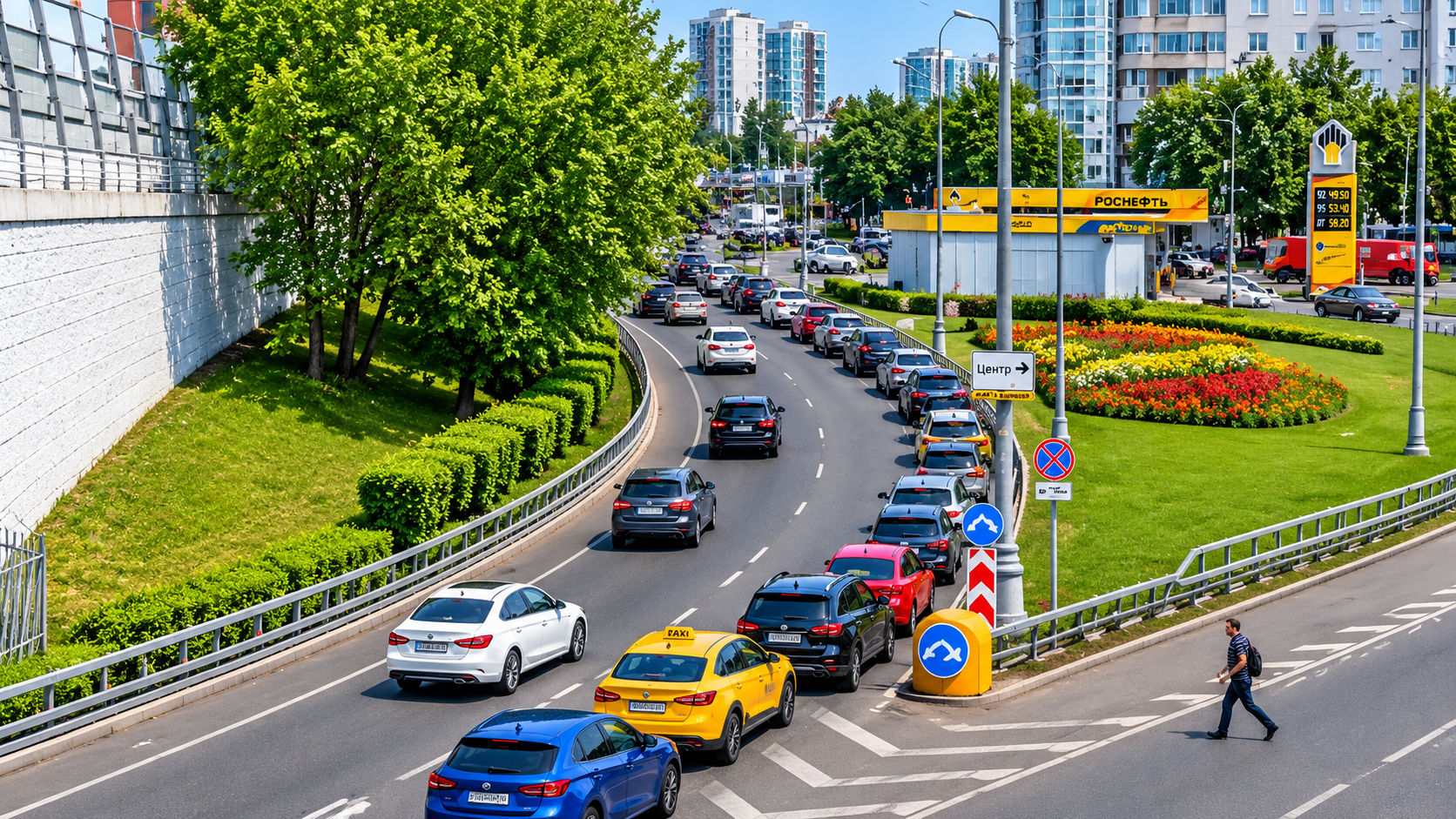
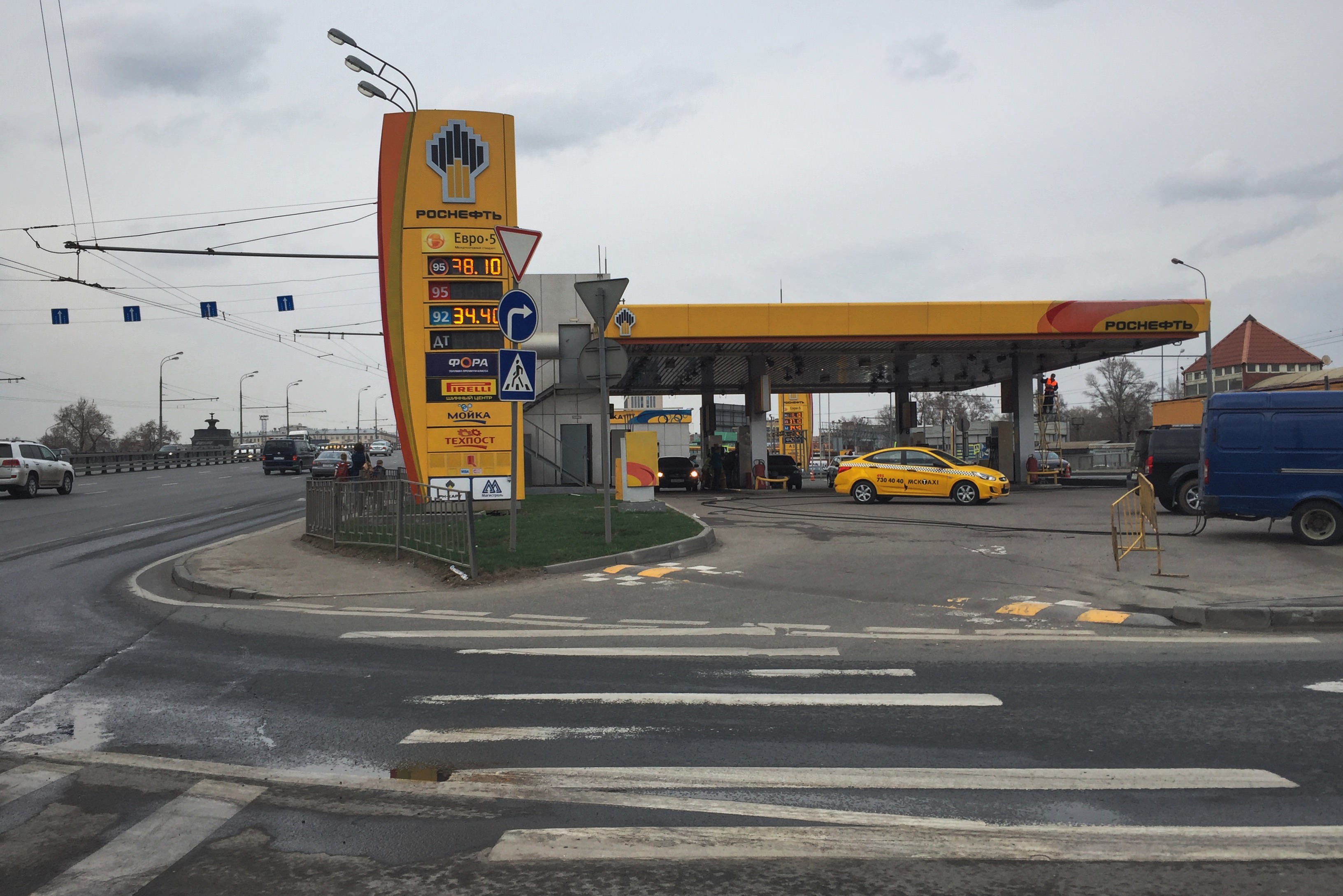
Moscow-area motorists are confronting two different signs of stress in Russia’s fuel system. Trassa has closed its 57-station regional network, while Rosneft reportedly limited purchases at its Moscow stations to 50 liters per vehicle. Average Russian gasoline prices are also reported to be about 16% higher than at the beginning of the year.

The closures and purchase limit coincide with drone-related disruption at Russian refineries, but Trassa’s immediate failure was financial. Operator EuroTrans defaulted on bond payments in September, after which state-owned lender Sberbank filed a bankruptcy petition. The Moscow region’s Energy Ministry confirmed that a seizure of Trassa’s assets was underway, according to The Moscow Times, which also reported that roughly 1,400 employees had been furloughed.
Refinery disruption reaches drivers through several layers
A refinery outage does not translate directly or uniformly into an empty retail pump. Crude oil must first be processed into specific products, after which gasoline moves through storage terminals, wholesale contracts, trucking networks and individual stations. Each layer can absorb some disruption through inventories, alternate suppliers or higher utilization elsewhere. Once those buffers narrow, however, the visible effects can include higher wholesale costs, purchase limits and reduced station availability.
The reported 50-liter cap is therefore an important distribution signal. It suggests that at least one major operator is controlling the amount sold in each transaction rather than relying only on price to balance available supply. For motorists, the immediate consequence is ownership friction: fewer places to refuel following Trassa’s closure and less fuel available per visit at the affected Rosneft locations.
Capacity estimates require caution. Reports have put the reduction in Russian refining capacity at approximately one-third, while separate estimates have varied widely over the course of 2026. Refinery capacity also is not interchangeable with actual output. A plant can retain its nameplate capacity while operating below it, and outages can be partially offset when other facilities increase production. The relevant consumer measure is how much usable gasoline reaches a particular region after processing, storage and transportation constraints.
That distinction helps explain why crude-oil availability alone cannot settle the retail market. A Dallas Federal Reserve analysis of refinery outages found that reduced processing capacity and depleted product inventories can push gasoline, diesel and jet-fuel prices higher than crude trends would normally suggest. It also emphasized a basic logistics constraint: petroleum inventories help only when the required products and blending components are available in the places that need them.
Drone pressure adds cost beyond damaged equipment
Repeated disruption also changes the industrial burden around a refinery. Operators must allocate resources to inspections, repairs, restart work, security and continuity planning while maintaining output. At national scale, those demands compete for specialized labor, replacement equipment and transportation capacity. The result can be a readiness problem for the broader fuel network even when individual facilities eventually return to service.
Russia’s response reflects that pressure. An August executive order allows temporary administration when an operator fails to take timely measures to secure or restore designated critical infrastructure. The official order covers fuel and energy facilities along with industrial, communications, utility, transport and logistics assets. Russian officials have characterized the measure as temporary management rather than a transfer of ownership.
Reports linked the order to an anticipated state takeover of Trassa, but the chain’s documented bond default and bankruptcy case prevent a simple conclusion that drone attacks caused its collapse. The two pressures can still reinforce each other. A financially distressed retailer has less flexibility to withstand tighter wholesale supply, higher operating costs or delayed deliveries, while the disappearance of 57 outlets leaves the remaining network with more demand to serve.
The system-level consequence is now clearer than any single refinery incident. Disruption at the processing stage is coinciding with higher reported prices, controlled retail purchases and the loss of an entire regional station chain. Whether Trassa’s locations reopen under new management will determine if the Moscow region’s reduced retail capacity is temporary or becomes a longer-lasting constraint.
| More aerospace and engineering stories, right in your MSN feed. Follow AMI on MSN |
By Stephen Wallace — Editor for AMI’s aerospace integration and unmanned mobility coverage, focused on drone manufacturing, VTOL systems, autonomous networks, and air-ground mobility links.