Audi A6 E-Tron Goes 831 Miles, 72% Beyond Official Range
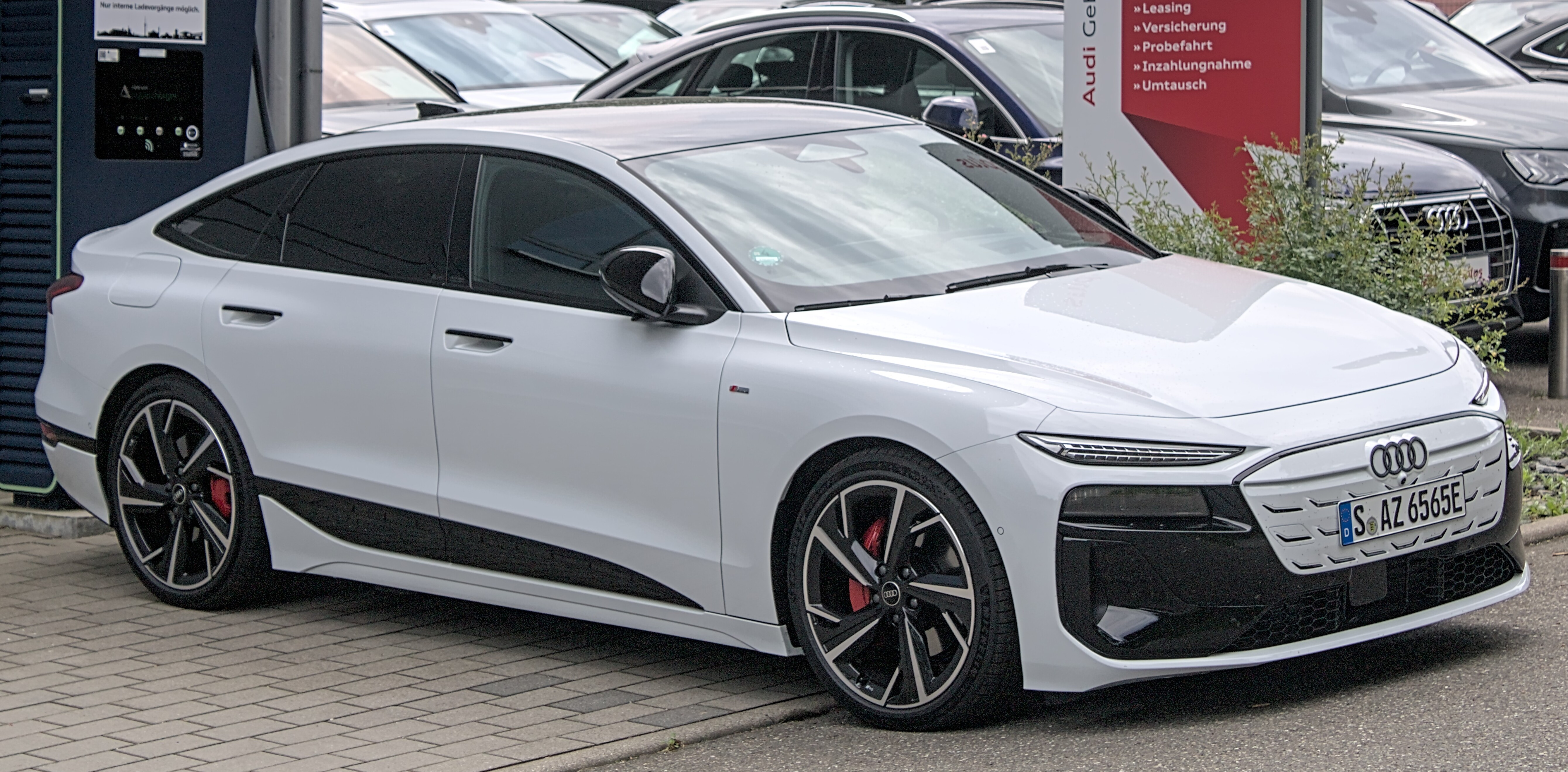
Eight hundred thirty-one miles on one charge is the headline number, but it is not a new everyday range rating. Rally driver Miko Marczyk covered 1,338 kilometers in a production Audi A6 Sportback E-Tron on Polish public roads, earning a Guinness World Record for a production electric car. The distance was about 72% beyond the car’s official maximum WLTP range of 483 miles.

The record attempt documented by Audi began at 1:55 a.m. on Sept. 11, 2026, and continued for more than 45 hours. It ended when the battery was depleted between Torun and Ciechocinek. The car remained in public-road traffic, but Marczyk drove specifically to minimize energy use rather than to reproduce a typical journey.
The consumption figure explains the distance
Marczyk averaged 7.09 kilowatt-hours per 100 kilometers, or roughly 62 miles. That was described as less than half the A6 Sportback E-Tron’s official combined consumption figure. It also aligns closely with the energy available from the car’s 94.9-kilowatt-hour usable battery: sustaining that exceptionally low consumption over 1,338 kilometers effectively uses the pack’s full net capacity.
This is the central distinction between battery capacity and realized range. A battery stores a finite amount of energy, but distance depends on how quickly the vehicle spends it. Speed, acceleration, braking, tire condition, aerodynamic resistance and auxiliary demands all affect consumption. Marczyk emphasized maintaining proper tire pressure, anticipating traffic and avoiding unnecessary acceleration and braking.
Those methods are available to ordinary drivers in less extreme form, but the duration reveals the boundary of the result. Taking more than 45 hours to cover 831 miles indicates a deliberately conservative efficiency exercise, not a conventional long-distance schedule. The record therefore demonstrates the car’s technical efficiency envelope under atypical operation; it does not establish that owners should expect 831 miles between charges.
Aerodynamics matter more as speed rises
The Audi’s body contributed alongside the driving strategy. Its drag coefficient is 0.21, which Audi identifies as its lowest for a production car. The company says aerodynamic drag accounts for around 40% of the Sportback’s energy consumption in the WLTP cycle at relevant higher-speed operation. Reducing that resistance allows more of the battery’s energy to move the car rather than displace air.
Even so, a low drag coefficient is not a guarantee of record range. Aerodynamic drag rises strongly with speed, so the benefit of a slippery shape is still governed by how the vehicle is driven. The combination of the A6’s body design, large usable battery and tightly controlled energy demand made the 831-mile result possible.
Regenerative braking also helped manage energy during deceleration. The A6 Sportback E-Tron can recover energy at up to 220 kilowatts, and Audi says regeneration can handle around 95% of braking events in everyday driving. Recovery reduces the energy otherwise lost as heat through friction brakes, but it cannot return all expended energy to the battery. Avoiding unnecessary acceleration and braking remains more efficient than repeatedly accelerating and attempting to recover the energy afterward.
Why the official figure still matters
The WLTP figure of up to 483 miles comes from a standardized test framework intended to support comparisons under repeatable conditions. Marczyk’s run answered a different question: how far this production car could travel when the entire journey was organized around conserving every available kilowatt-hour.
The category also separates the Audi from purpose-built experimental vehicles. The run did not break the overall single-charge distance record for an electric vehicle. In September 2023, the TUfast Eco Team’s prototype traveled 1,599.27 miles, or 2,573.79 kilometers, in Germany. That machine was designed around an efficiency-record mission rather than production-car requirements and public-road use.
The Audi’s achievement is narrower but more recognizable: a road-legal production car traveled through real traffic and exceeded its standardized maximum range by nearly 350 miles. What purchased that distance was not a larger hidden energy reserve, but unusually low consumption maintained for more than 45 hours a trade between travel pace and range that ordinary driving rarely takes to such an extreme.
| More aerospace and engineering stories, right in your MSN feed. Follow AMI on MSN |
By Thomas Caldwell — AMI’s senior editor for mechanical and mobility engineering, covering vehicle electronics, systems integration, electrification, chassis systems, propulsion, and safety policy.