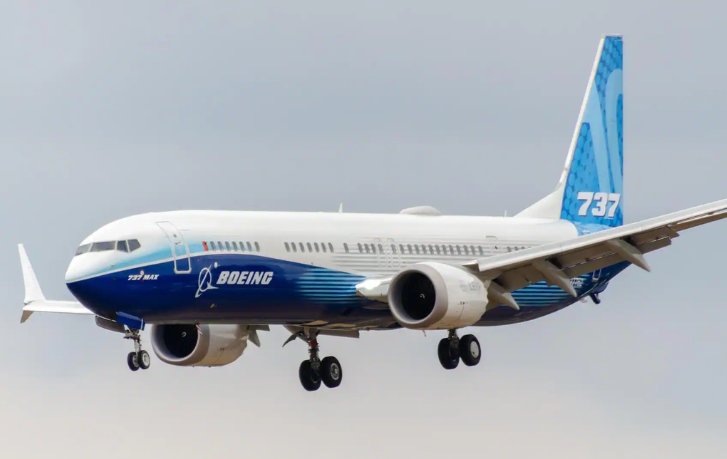
FAA Review Keeps Boeing 737 MAX 10 Certification on Hold
A software condition can be significant enough to stop approval of a new passenger jet without being judged serious enough to ground aircraft already flying. That is the regulatory tension facing Boeing’s 737 MAX: the Federal Aviation Administration has delayed certification of the MAX 10 while it examines flight-guidance software that can increase pilot workload during an aborted landing.
The FAA is scheduled to convene a Corrective Action Review Board on Friday, October 2, to assess the condition. The panel will consider whether it is a safety-of-flight issue and whether further regulatory action is required. The review’s outcome has not been decided, and the agency has not committed to a new certification date.
The affected scenario begins with a go-around, the procedure used when pilots discontinue a landing, apply power and climb before making another attempt. Under a specific set of circumstances involving changes to a programmed flight path, the software can leave pilots without access to an automated flight-guidance function. The pilots retain control of the aircraft, but the FAA has said the additional steps can raise their workload during an already demanding phase of flight.
That distinction between loss of an automated aid and loss of aircraft control is central to the review. FAA Administrator Bryan Bedford said pilots remain in control and train for such situations. The agency is examining the workload component rather than asserting that the software takes command away from the crew.
Why certification can stop while the fleet keeps flying
Certification and fleetwide airworthiness action answer different questions. For the MAX 10, the FAA must be satisfied that the aircraft and its software comply with the applicable approval requirements before Boeing can begin deliveries. An unresolved condition can therefore become a certification gate even if officials have not concluded that aircraft currently in service face an immediate safety problem.
Grounding the existing MAX fleet would be a substantially broader action. Transportation Secretary Sean Duffy said the issue hasn’t been flagged for us as a safety issue and that the agency currently sees no reason to ground the fleet. That is a statement of the government’s present assessment, not the review board’s final determination.
The different treatment also reflects differences in configuration. U.S. airlines have said their in-service MAX 8 and MAX 9 aircraft do not use the software version associated with the condition. Some carriers can use an earlier software version, while the MAX 10 is still passing through certification and therefore cannot move into normal service until the FAA is satisfied with its configuration.
This is why describing the matter simply as either a harmless update or a confirmed safety defect would go beyond what officials have established. Automated guidance is intended partly to manage crew workload and support consistent flight-path control. If that assistance becomes unavailable in a specific go-around sequence, regulators must evaluate the remaining procedures, crew demands and software behavior together. The presence of manual or alternate procedures does not by itself settle whether the design is acceptable for certification.
Software, procedures and training form one system
Boeing said it informed operators and is developing a permanent software update. The company has also reinforced existing pilot procedures and said it could propose additional training. Neither the permanent update nor extra training should be treated as implemented at this stage.
From a systems-integration standpoint, those options address different parts of the problem. A software revision would seek to change the aircraft’s behavior, while procedures and training would shape how crews recognize and manage the condition. Regulators must determine whether interim human actions provide an acceptable response, whether the software needs correction before approval, and whether any additional requirements should apply beyond the MAX 10 certification program.
That decision carries practical consequences for Boeing, airlines awaiting the largest MAX variant and pilots who would operate it. A requirement for revised software could add development, verification and approval work. A training requirement could affect airline courseware and crew preparation. Allowing certification to proceed would still require the FAA to document why the aircraft meets its standards despite the identified workload issue.
Airline officials who met with Boeing on Wednesday told Reuters they did not expect the board to classify the condition as a safety concern. They said MAX 10 certification could occur later in October if the aircraft is cleared. That is an attributed expectation rather than an FAA schedule or guarantee.
The next decisive step is therefore the review board’s classification of the condition. Until the FAA completes that analysis, the MAX fleet can continue operating under the agency’s current assessment, but the MAX 10 cannot cross its final certification gate.
| More aerospace and engineering stories, right in your MSN feed. Follow AMI on MSN |
By Thomas Caldwell — AMI’s senior editor for mechanical and mobility engineering, covering vehicle electronics, systems integration, electrification, chassis systems, propulsion, and safety policy.