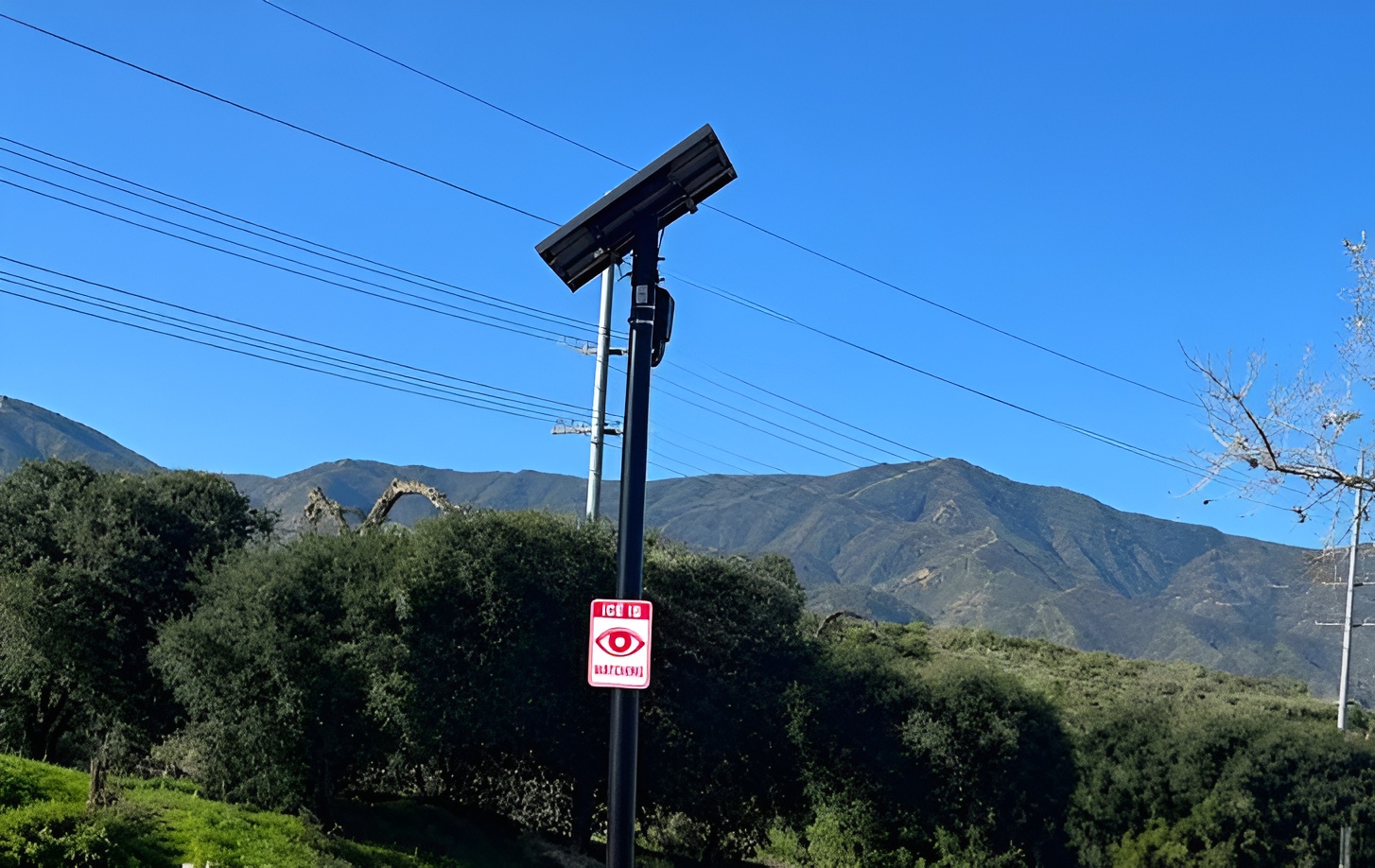
Flock False Alerts Hit Five Motorists; One Was Jailed Nearly Two Weeks
Five motorists were stopped or detained after false alerts from Flock Safety license-plate readers, according to an NBC News investigation published October 12. One person was jailed for nearly two weeks. The cases show how inaccurate vehicle data can move rapidly from an automated camera match to a police encounter carrying serious consequences.
In one documented case, Indiana electrician Danny Brooks was sitting in his company truck when officers surrounded the vehicle with guns drawn. They handcuffed Brooks and told him the truck had been reported stolen, but police had the wrong person. The mix-up was attributed to an error by a Flock plate reader.
How a plate image becomes a police alert
Flock cameras photograph passing vehicles and convert visible license-plate characters into data that can be compared with law-enforcement hotlists. Those registries can include plates associated with stolen or wanted vehicles, missing people and criminal investigations. When the system identifies a possible match, it can send officers an alert and the camera image.
The critical distinction is that an alert identifies a possible vehicle match, not the driver or occupants. It is an investigative lead rather than confirmation that the observed vehicle is wanted or that anyone inside has committed a crime.
That boundary is explicit in the joint law-enforcement principles for responsible plate-reader use. The principles state that plate-reader information must be appropriately verified before enforcement action and that an alert alone does not identify a driver, establish guilt or replace other investigative work.
A public explanation from the North Bend Police Department in Oregon describes one implementation of that verification barrier. An officer receiving a possible Flock match must locate the vehicle, physically check its plate and independently confirm the observed number through law-enforcement databases. The department emphasizes that the initial alert is not itself confirmation that the vehicle is wanted.
Manual workarounds create a second data-integrity concern
The investigation also examined logs showing officers searching for and adding plate numbers in a system containing hotlists. Some officers intentionally entered incorrect plate numbers to compensate for Flock recognition mistakes. That practice raises a separate systems question from the camera error itself.
A workaround can be understandable as an attempt to account for a recurring misread. But once an intentionally altered identifier enters a hotlist or search process, the system is no longer operating solely on the vehicle’s actual registration number. Its output depends on both the camera’s interpretation and a human prediction about how the camera may misinterpret the plate.
That expands the data chain that agencies must control. A robust process would need records showing who entered or changed an identifier, the authorized reason, the source plate, the altered value, approval status and expiration. Without a clear audit trail, a later alert may not reveal whether it arose from an exact plate, an automated recognition error or a manually created approximation.
Some agency policies illustrate the kinds of controls available. Published rules can require documented queries, supervisory approval for custom hotlists, expiration dates, user training and periodic audits. These controls do not prove what happened in any of the five cases, but they show that verification and traceability are operational requirements rather than optional technical refinements.
The missing number matters
The five documented cases establish that false alerts can carry high consequences, but they do not establish Flock’s overall error rate or show how representative the incidents are across deployments. No total number of scans, alerts or verified matches was provided, so a false-alert percentage cannot be calculated. The technical causes of the individual recognition errors also remain unidentified, and no Flock response or corrective engineering action was reported.
Those gaps define the next questions for agencies using the system: how often alerts are rejected during verification, how frequently they lead to stops, whether altered-number entries are separately tracked, and what reviews follow a false detention. Until those figures are available, the strongest confirmed finding is narrower but consequential: five people encountered police after false Flock alerts, and one lost nearly two weeks of freedom before the error was resolved.
| More aerospace and engineering stories, right in your MSN feed. Follow AMI on MSN |
By Thomas Caldwell — AMI’s senior editor for mechanical and mobility engineering, covering vehicle electronics, systems integration, electrification, chassis systems, propulsion, and safety policy.