Mercedes Expands S-Class Recall to 30,078 Cars Over Brake-Hose Leaks
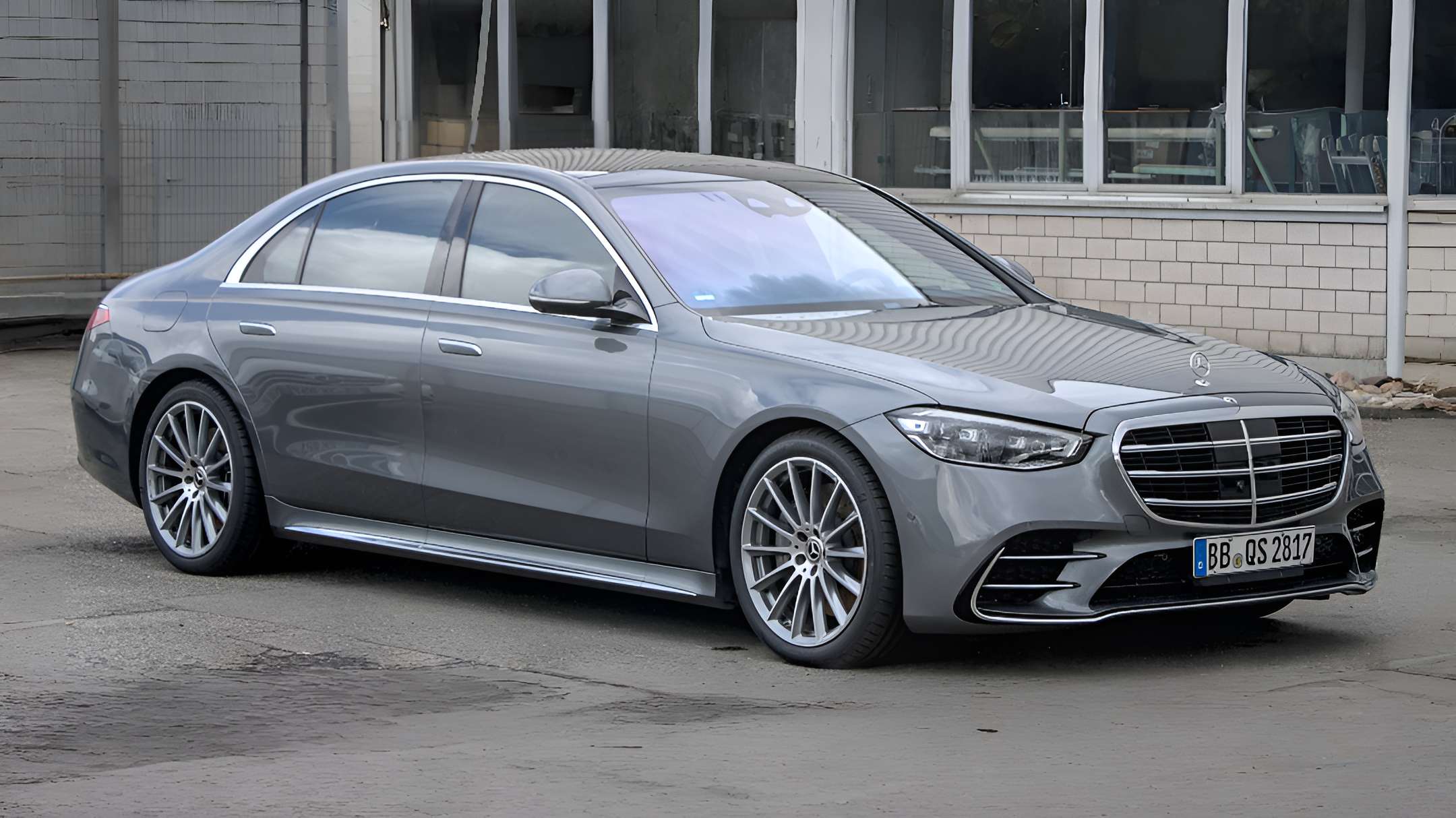
Mercedes-Benz has expanded a U.S. safety recall to 30,078 S-Class cars from the 2022 through 2025 model years because front brake hoses can fatigue, leak fluid and increase stopping distance. The campaign includes Mercedes-Maybach and Mercedes-AMG variants, extending the defect population well beyond the climate and production boundaries used for an earlier recall.

The company filed the expanded campaign with the National Highway Traffic Safety Administration on October 2, 2026. Dealers were notified on October 9, and owner notification letters are scheduled for November 27. Mercedes dealers will replace both front-axle brake hoses free of charge.
Which Mercedes models are covered
The largest group consists of 16,881 Mercedes-Benz S 580 4MATIC cars, followed by 7,143 S 500 4MATIC cars. The recall also covers 2,277 S 580 e 4MATIC plug-in hybrids, 1,760 Mercedes-AMG S 63 E Performance cars, 1,070 Mercedes-Maybach S 680 cars and 947 Mercedes-Maybach S 580 cars.
Those figures total 30,078 vehicles. The campaign applies to affected U.S. vehicles built before a modified front brake hose entered series production. Model years alone therefore do not fully describe the boundary; production records and individual vehicle identification numbers determine whether a particular car is included.
How a hose leak weakens braking
Mercedes determined that accumulated heat and mechanical loading can fatigue the hose material over time. A front brake hose must carry hydraulic pressure while operating in an area exposed to heat and repeated vehicle movement. If its material loses durability and begins leaking, brake fluid can drain from one of the car’s two hydraulic circuits.
The second circuit means a single leaking hose does not necessarily eliminate all braking. It does, however, reduce available braking performance and increase the distance required to stop. That distinction is central to the recall: hydraulic redundancy limits the failure’s effect, but it does not preserve normal stopping capability after one circuit loses fluid.
Drivers would receive a red brake-fluid warning in the digital instrument cluster once the condition develops. The recall information does not establish a reliable advance warning before leakage begins, making preventive hardware replacement more important than relying on a dashboard message to identify a deteriorating hose.
Why the original recall limits changed
An earlier campaign, recall 25V116, covered 20,339 model-year 2021–2023 S-Class vehicles. Mercedes initially associated the failures in that population with climate exposure and a defined production period. That approach effectively treated environment and build timing as useful boundaries around the defect.
Later field reports challenged those limits. Mercedes received cases involving vehicles outside the original regions and production dates, including information from markets beyond the United States. The company opened a field engineering investigation in March 2026, received returned hoses by June and reviewed supplier laboratory and durability results in July.
The investigation shifted the defining factor from where a car operated to whether it was built before the modified hose entered production. That is a materially broader basis for a recall because it treats the hose population not only a particular climate-exposure pattern as the relevant safety boundary.
Mercedes recorded three U.S. cases among vehicles newly included in the campaign, occurring in April, May and August 2026. The company reported no known crashes or injuries associated with the expanded population. Those findings do not remove the potential braking risk; they describe the confirmed record when the expansion was filed.
Why both front hoses will be replaced
The remedy replaces both front-axle brake hoses rather than waiting for an observable leak or changing only one side. From a systems perspective, that removes the potentially fatigue-susceptible hardware from both front brake positions and avoids depending on an inspection to predict remaining hose life.
Owners can contact Mercedes-Benz customer service at 800-367-6372 to determine whether their vehicle is included and arrange the free repair. The central change is not simply that another group of cars has been added: reports outside the first recall’s assumed climate and production limits forced Mercedes to redraw the campaign around every affected U.S. vehicle built before the revised hose entered series production.
| More aerospace and engineering stories, right in your MSN feed. Follow AMI on MSN |
By Thomas Caldwell — AMI’s senior editor for mechanical and mobility engineering, covering vehicle electronics, systems integration, electrification, chassis systems, propulsion, and safety policy.