Piper PA-46 Icing Report Investigated After Wisconsin Crash Kills Six
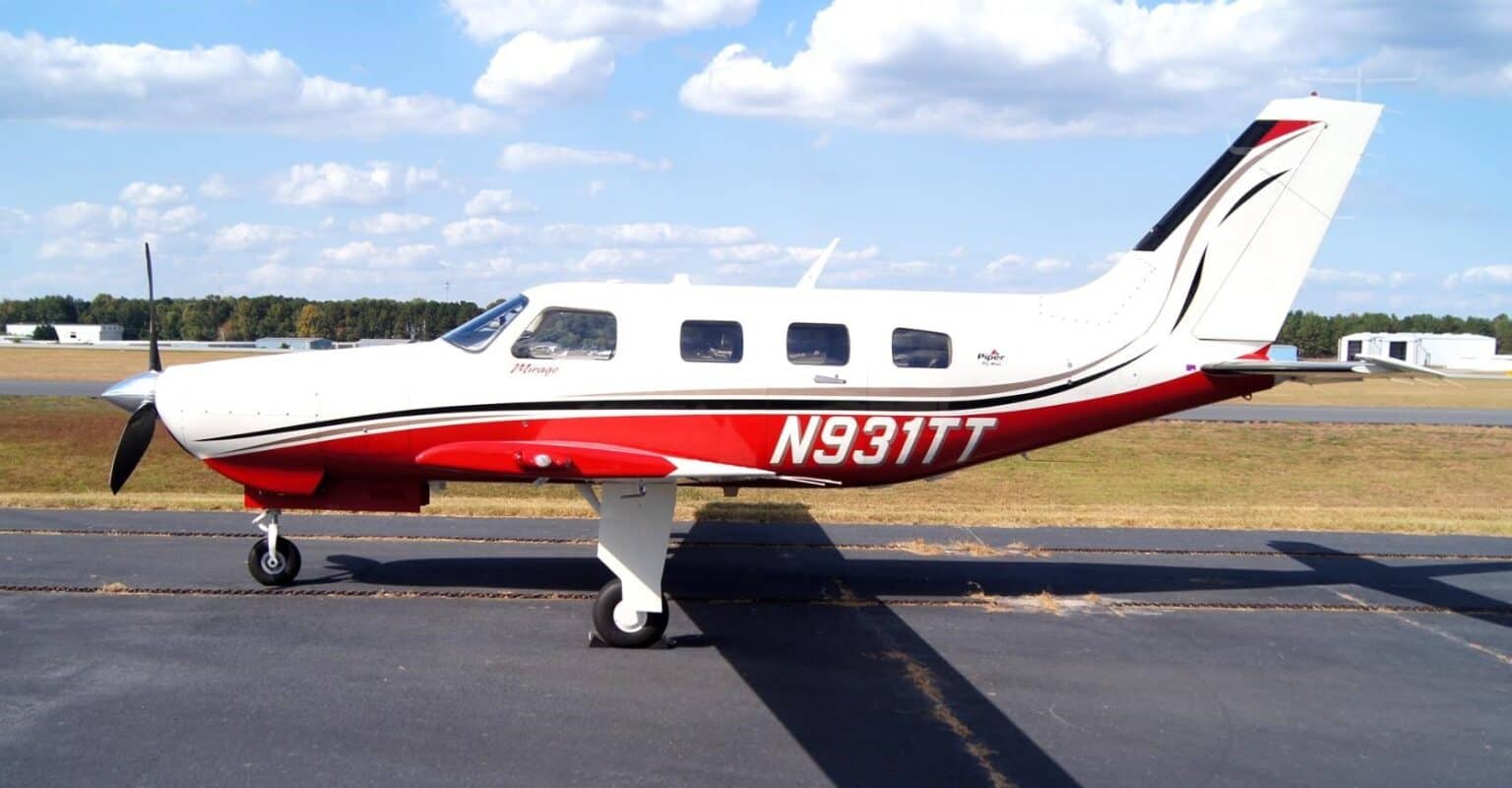
A pilot reported ice building on the wings of a Piper PA-46 Malibu at 24,000 feet before the aircraft entered an increasingly rapid descending turn and crashed in Wisconsin, killing all six people aboard. The National Transportation Safety Board is investigating the Oct. 13 accident, but it has not determined that icing caused the loss of control.
The six-seat, single-engine aircraft was traveling from Kenosha to Menomonie when it crashed shortly before 10 p.m. in woods near Mirror Lake State Park in Sauk County. Rain was falling as a thunderstorm crossed the Town of Dellona, near Wisconsin Dells. Authorities reported no injuries on the ground and no damage to structures.
The initial sequence disclosed by the NTSB establishes several important facts. The pilot reported wing icing and asked air traffic control for permission to descend. Controllers approved the request. The aircraft then began a descending right turn that increased in rate before communications and tracking data ended.
Tracking data describe the descent, not its cause
FlightRadar24 data cited in public reporting indicated that the aircraft descended at up to 4,000 feet per minute while its reported speed approached 340 mph. Those figures have not yet been confirmed through the NTSB’s official investigative records. They also cannot, by themselves, establish the aircraft’s precise aerodynamic state, the forces acting on it or why the turn accelerated.
That distinction is central to the investigation. Aircraft-tracking services can help reconstruct a broad flight path, but investigators will seek to validate time, position, altitude and speed information against other available records. Air traffic control communications will be examined alongside the flight track rather than treated as a separate narrative.
The icing report is similarly significant without being conclusive. According to Federal Aviation Administration guidance cited in reporting on the accident, airframe icing can distort airflow over a wing, increase drag and alter handling. It can also raise an aircraft’s stall speed and change the angle of attack at which a stall occurs. Those are general aerodynamic effects, not findings about this flight.
Investigators still must determine what ice was present, how rapidly it accumulated, how the aircraft was configured and performing, and how those conditions related if at all to the descending turn. The available information does not establish whether icing initiated the sequence, compounded another problem or was only one condition encountered before communications ended. It also does not establish any action or omission by the pilot as a cause.
An earlier Piper review provides context, not a verdict
The aircraft family has appeared in a previous icing inquiry. The NTSB conducted a special safety review of seven icing-related crashes involving Piper Malibu and Mirage aircraft between 1989 and 1991. That work produced recommendations addressing pilot training, aircraft checklists and manuals, as well as an indicator light for pitot-tube heating systems.
The historical review shows why investigators may examine training, procedures and ice-protection equipment as parts of a larger system. It does not demonstrate that the Wisconsin accident repeated any earlier failure mode. More than three decades separate those cases from this crash, and no connection has been announced.
The current inquiry is expected to collect flight-track information, air traffic control recordings, maintenance records, pilot information and witness accounts. Investigators also plan to document the site and move the wreckage to a facility for further examination. That work can help establish the aircraft’s condition and configuration, but the NTSB has cautioned that it will not determine probable cause during the on-scene phase.
A preliminary report is expected within 30 days and should provide verified factual information without assigning a final cause. The final report is expected in 12 to 24 months. Until that work is complete, the firmest conclusion is limited but consequential: the pilot reported a serious icing hazard, received clearance to descend and then entered a rapidly developing descent whose cause remains unresolved.
| More aerospace and engineering stories, right in your MSN feed. Follow AMI on MSN |
By Thomas Caldwell — AMI’s senior editor for mechanical and mobility engineering, covering vehicle electronics, systems integration, electrification, chassis systems, propulsion, and safety policy.