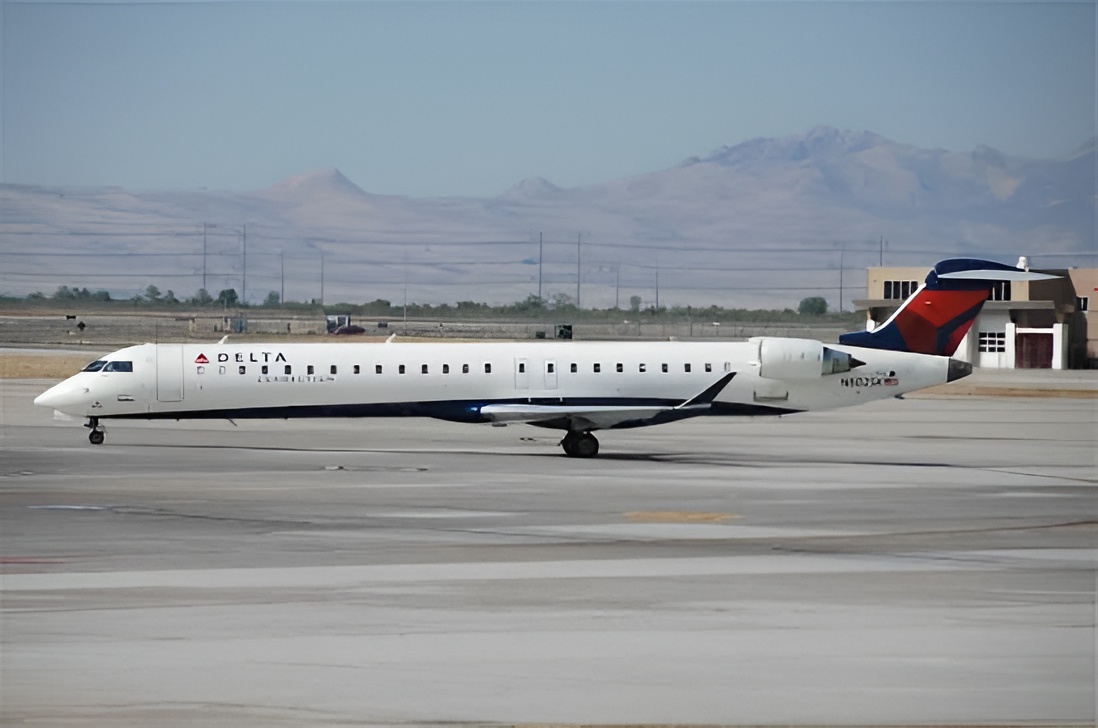
Delta Jet Pulls Up 100 Feet as Private Jet Takes Off
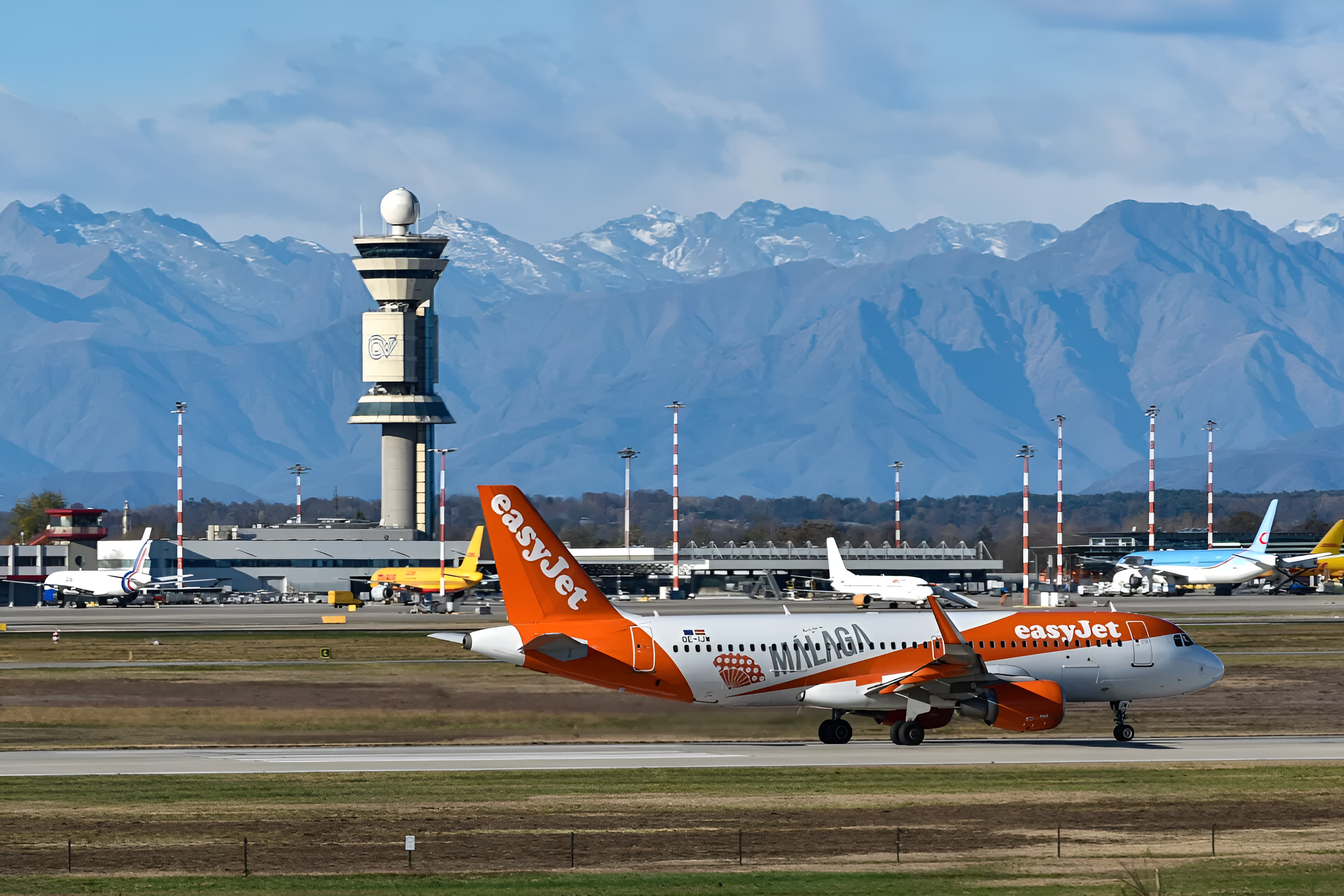
A Delta Connection regional jet pulled out of its landing about 100 feet above a runway at New York’s LaGuardia Airport after a private jet began an unauthorized takeoff across its path. The two aircraft reportedly came within roughly 1,000 feet before the Delta crew’s go-around carried the arriving jet away from the intersecting runways.

The Federal Aviation Administration said the private jet “departed on an intersecting runway without air traffic control authorization.” The agency is investigating the October 7 incident and had not publicly assigned it a severity category when details emerged.
Delta flight DL5415, operated by Endeavor Air with a Bombardier CRJ900, was arriving from Omaha Eppley Airfield at about 3:55 p.m. local time. It was approaching Runway 22 while a NetJets Embraer Phenom 300, operating for ExecJet as EJA398, began its takeoff roll on intersecting Runway 13.
Flight-tracking data put the CRJ900 at approximately 128 knots as it descended toward the runway. The Phenom was moving at about 90 knots. With both aircraft committed to paths that crossed at runway level, continuing the landing would have reduced the available distance and time between them.
The Delta crew instead initiated a go-around, adding power and transitioning from descent to climb shortly before touchdown. That maneuver stopped the CRJ900 from continuing along the landing path toward the runway intersection. A go-around is a standard and expected escape option when a landing cannot be completed safely, but performing one from roughly 100 feet leaves little of the approach remaining before touchdown.
The clearance dispute is central to the investigation
Air traffic control recordings indicate that the private-jet crew believed it had received permission to depart. After instructions were issued to another aircraft, the ExecJet pilot responded “roger that” and later stated an understanding of “cleared for takeoff, Runway 13.”
Following the departure, the controller told the crew: “I believe you were never cleared for takeoff, sir. You were cleared to line up and wait.” The pilot disputed that account, replying that “we got cleared for takeoff.”
“Line up and wait” allows an aircraft to enter the runway and take position, but it is not authorization to begin the takeoff roll. FAA operating guidance requires pilots to obtain clearance before taking off and advises them to seek clarification whenever an instruction is not understood. The investigation will therefore need to examine the complete radio exchange and how the crew formed its understanding of the clearance.
The reported 1,000-foot minimum distance is important, but it does not by itself settle the incident’s formal severity. The FAA’s runway-incursion categories range from Category D, an event without immediate safety consequences, through Category A, a serious incident in which a collision was narrowly avoided. The agency also assesses runway events using factors that can include relative position, speed and the corrective response available.
LaGuardia has surface-surveillance equipment intended to give controllers a more reliable picture of aircraft and vehicles operating around runways. Such systems combine surveillance sources and can provide visual and audible conflict alerts, but the available information does not state whether an alert occurred during the October 7 encounter.
A separate fatal collision remains part of LaGuardia’s recent context
The incident came months after an Air Canada Express CRJ900 collided with an airport fire truck at LaGuardia on March 22, killing both pilots and injuring dozens of other people. According to the National Transportation Safety Board’s preliminary findings, the truck had erroneously been cleared to cross the runway while the aircraft was on short final. The airport’s surface-detection equipment did not alert controllers before that collision, partly because emergency vehicles lacked transponders.
The October encounter involves a different reported sequence: an aircraft crew believed it had takeoff clearance, while the controller and FAA said no such authorization had been issued. Its immediate outcome also differed because the arriving Delta crew climbed away before landing. The FAA’s investigation and eventual risk classification should establish how close the operation came to a collision and which safety layers functioned or failed before the go-around created separation.
| More aerospace and engineering stories, right in your MSN feed. Follow AMI on MSN |
By David Whitaker — Associate editor for AMI’s aerospace and drone systems desk, translating flight systems, aircraft programs, spaceflight, and UAV developments into accessible technical stories.