


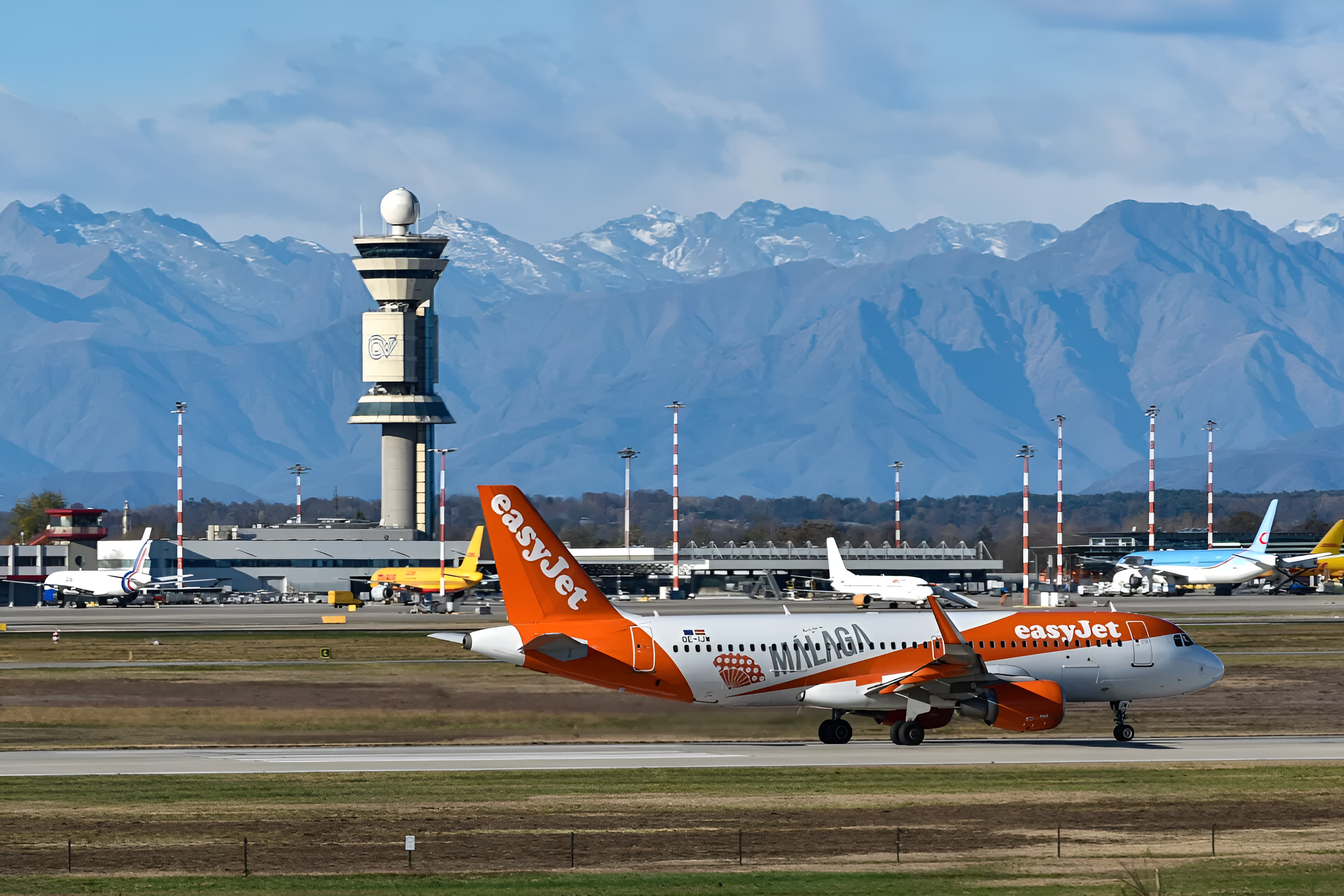
ENAV Restores Italy Flight Capacity After Network Fault Causes 192 Cancellations
Italy’s air traffic control provider restored full operational capacity on October 16 after a fault in its nationwide data transmission network forced traffic restrictions, delays and cancellations. ENAV detected anomalies overnight in the network supporting air traffic services across the country and reduced capacity while technicians addressed the problem.
By around 1000 GMT, aviation analytics company Cirium had counted 192 cancellations. Only about 31% of flights departing Italian airports had left on time, with punctuality falling to 25% at Milan Malpensa Airport and 28% at Rome Fiumicino Airport. ENAV reported full capacity restored at approximately 1325 GMT.
A supporting network became a national constraint
The disruption illustrates how a fault outside the aircraft and airport terminals can rapidly constrain an entire flight schedule. Air traffic services depend on data moving reliably between the organizations and facilities managing aircraft. When confidence in that supporting network is reduced, the practical response is to limit how much traffic the system handles rather than continue at the planned rate.
That capacity reduction affects more than the flights directly controlled during the fault. Aircraft arrive late for later sectors, passengers miss connections, and airlines must reposition crews and equipment within schedules that may have little recovery margin. Restoring the network therefore removes the immediate restriction, but it does not instantly return every aircraft, crew and passenger to the original timetable.
Authorities said the incident was not caused by sabotage. ENAV has not identified the specific hardware, software or communications component that failed, nor has it provided the underlying cause of the anomalies. That leaves the central engineering question unresolved: how a technical fault in supporting infrastructure became large enough to require nationwide traffic restrictions.
The available information also does not establish whether the primary service stopped completely, whether degraded service remained available or how backup arrangements performed. Describing the entire Italian control system as having gone down would therefore overstate what is known. The confirmed operational result was still substantial: network anomalies reduced the amount of traffic that could be safely accommodated across the country.
Outage management depends on coordination
European aviation has already been tightening the procedures used when communications services fail. Eurocontrol’s Datalink Outage Management Charter, developed with air navigation providers and communications companies including ENAV, calls for real-time detection, reporting and resolution of outages. It also defines responsibilities for coordinating incident response and issuing service-restoration and root-cause updates.
The charter does not identify the cause of this Italian incident, but it shows why restoration is only one part of resilience. Operators also need timely fault detection, clear notification across organizational boundaries and a root-cause process capable of identifying whether corrective work belongs in equipment, software, communications architecture, supplier management or operating procedures.
Reports during the disruption warned that delays were expected at Greek airports because flights to, from or through Italy can interact with the wider European network. No authoritative information provided here confirms actual disruption at Greek airports, however. The demonstrated impact remains the nationwide restriction and resulting disruption within Italy; any measured spillover into Greece requires confirmation from airport, airline or European network authorities.
Passengers retain assistance and rebooking rights
For travelers, the immediate issue is what happens after a flight is delayed or removed from the schedule. Under the European Union’s air-passenger rights rules, a canceled flight generally gives passengers a choice among reimbursement, rerouting at the earliest opportunity or rerouting later under comparable conditions. Airlines must also provide assistance in qualifying delay and cancellation cases.
Cash compensation is more conditional. Air traffic management decisions can qualify as extraordinary circumstances, and the carrier must establish the connection between those circumstances and the disruption as well as show that reasonable measures could not have prevented it. Travelers should retain receipts for necessary expenses and seek an explanation from the operating airline.
ENAV’s restoration ended the capacity restriction, but the 192 cancellations and poor departure performance show the lag between repairing infrastructure and rebuilding a national flight schedule. The next technically meaningful update will be a root-cause account identifying what failed and how the network’s resilience will be strengthened.
| More aerospace and engineering stories, right in your MSN feed. Follow AMI on MSN |
By David Whitaker — Associate editor for AMI’s aerospace and drone systems desk, translating flight systems, aircraft programs, spaceflight, and UAV developments into accessible technical stories.



