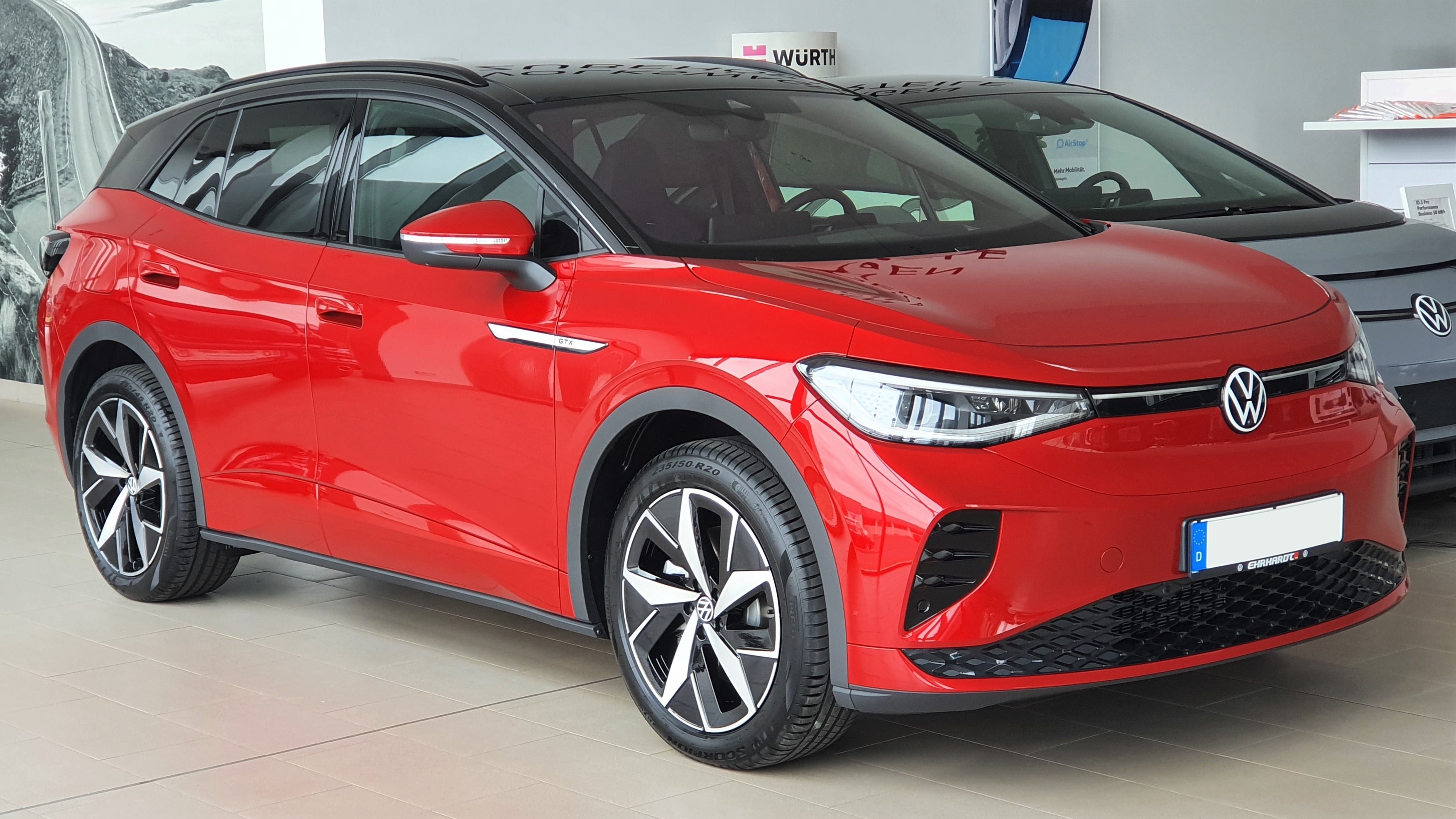
Volkswagen Cut ID.4 Prices $12,500 as US EV Sales Fell 90%
Volkswagen sold just 1,421 electric vehicles in the United States during the third quarter of 2026, a 90% decline from the same period last year. The collapse came even as the automaker cut ID.4 prices by as much as $12,500 to reduce dealer inventories.

The result was far worse than the decline across Volkswagen’s broader business. According to the automaker’s official third-quarter sales release, the brand sold 78,179 vehicles in the United States from July through September, down 10.9% year over year. Electric models therefore contracted much faster than Volkswagen’s gasoline-dominated lineup.
The two-model EV portfolio also shows where the volume disappeared. Volkswagen sold 989 ID.4 crossovers, down 92.1% from 12,470 in the third quarter of 2025. ID. Buzz sales dropped 82.5%, from 2,469 to 432 vehicles. For the first nine months of 2026, the company sold 6,107 EVs in the United States, 77% fewer than during the comparable period in 2025.
A lineup running on remaining inventory
Volkswagen’s supply position helps explain the scale of the decline, although the available figures do not isolate one cause. Production of the U.S.-market ID.4 at the company’s Chattanooga, Tennessee, plant stopped in April, releasing manufacturing capacity for gasoline-powered SUVs. Imports of the ID. Buzz also stopped, leaving dealers to sell remaining 2025-model year vans.
That changes the function of price cuts. A discount can stimulate demand, but it cannot restore a continuing flow of vehicles from a factory or import channel. Reducing the ID.4 price by as much as $12,500 supported inventory clearance rather than a normal production and replenishment cycle. As available configurations and dealer stocks diminished, Volkswagen’s practical ability to convert lower prices into sustained quarterly volume diminished with them.
The ID. Buzz faced an additional cost and range constraint. The electric minivan starts at $61,545 and has a maximum stated range of 234 miles. Those specifications do not establish why individual shoppers did or did not buy one, but they position the vehicle as a relatively expensive, specialized product rather than a high-volume replacement for the ID.4 crossover.
Volkswagen fell faster than the EV market
The wider U.S. market was difficult but did not contract nearly as sharply. Kelley Blue Book estimates published by Cox Automotive put third-quarter EV sales at 262,649 vehicles, down 39.5% from the record-setting third quarter of 2025. That comparison was affected by buyers accelerating purchases before federal incentives expired.
More revealingly, total U.S. EV volume increased 6.1% from the second quarter of 2026 and reached its highest quarterly level in a year. EVs represented about 6.4% of all new-vehicle sales, up from 5.8% in the preceding quarter. Volkswagen’s 90% year over year decline therefore occurred while the overall EV segment was recovering sequentially, reinforcing the importance of the company’s unusually constrained model and supply position.
For dealers and shoppers, the immediate consequence is reduced choice. Volkswagen still lists two electric nameplates in the United States, but both depend heavily on vehicles already built. Large discounts may make individual remaining ID.4s less expensive, yet they do not amount to a fully supplied current-production lineup.
Replacement products remain ahead
Volkswagen is expected to replace the ID.4 in the U.S. market with an updated ID. Tiguan electric crossover next year. The ID. Buzz is now scheduled to return in the first half of 2027 as a 2028 model, following an earlier plan for a 2027-model year return. Planned changes include a North American Charging Standard port, revised software, vehicle to load capability, digital-key integration and different colors.
Until those products reach dealers, Volkswagen’s U.S. electric business remains between model cycles. Its third-quarter total of 1,421 EVs is the numerical consequence: steep discounts were applied to a shrinking pool of ID.4 inventory, while the company’s only electric van continued selling without new imports.
| More aerospace and engineering stories, right in your MSN feed. Follow AMI on MSN |
By Thomas Caldwell — AMI’s senior editor for mechanical and mobility engineering, covering vehicle electronics, systems integration, electrification, chassis systems, propulsion, and safety policy.