Ukraine Says 25 F-16s Are Grounded as Drone Flights Strain Maintenance
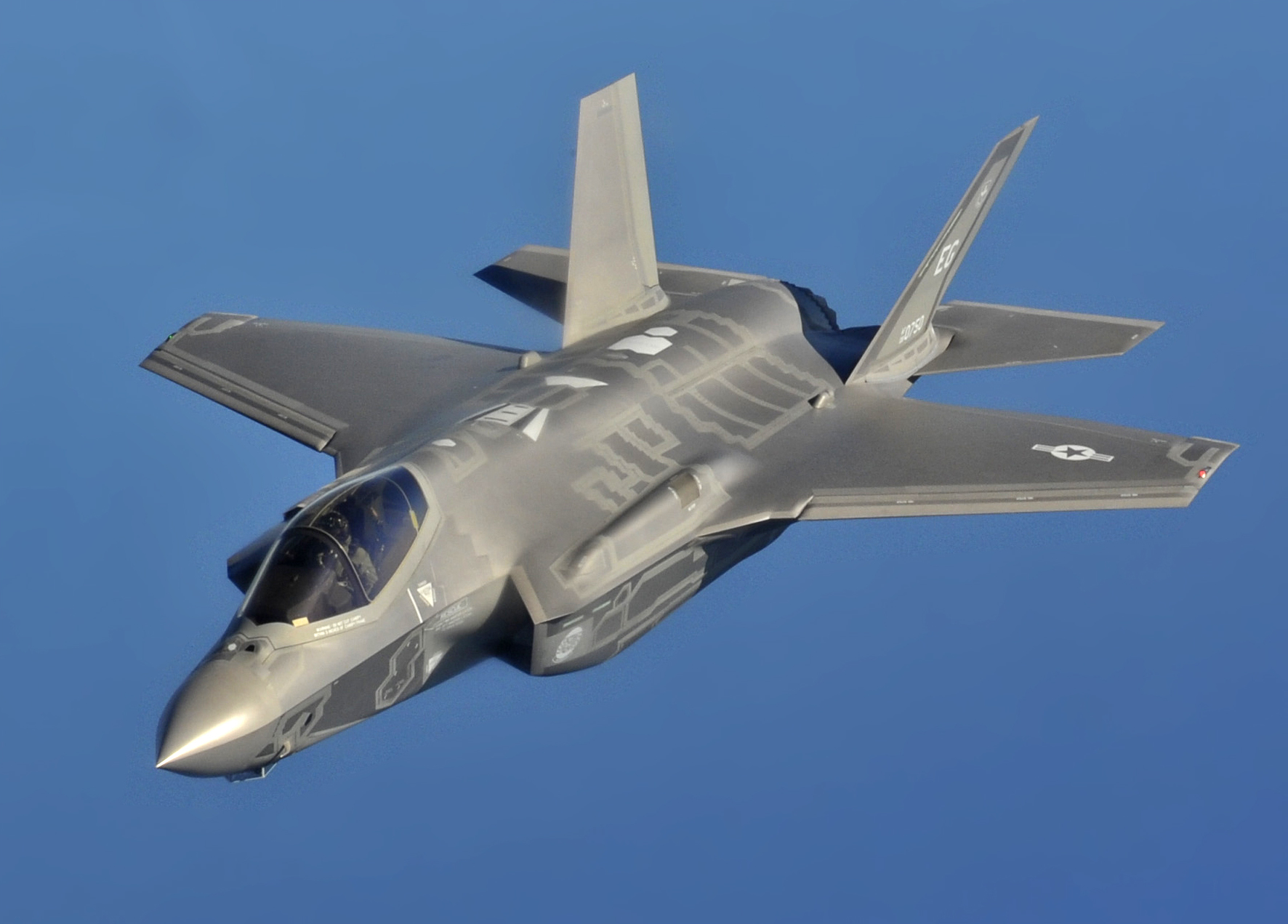
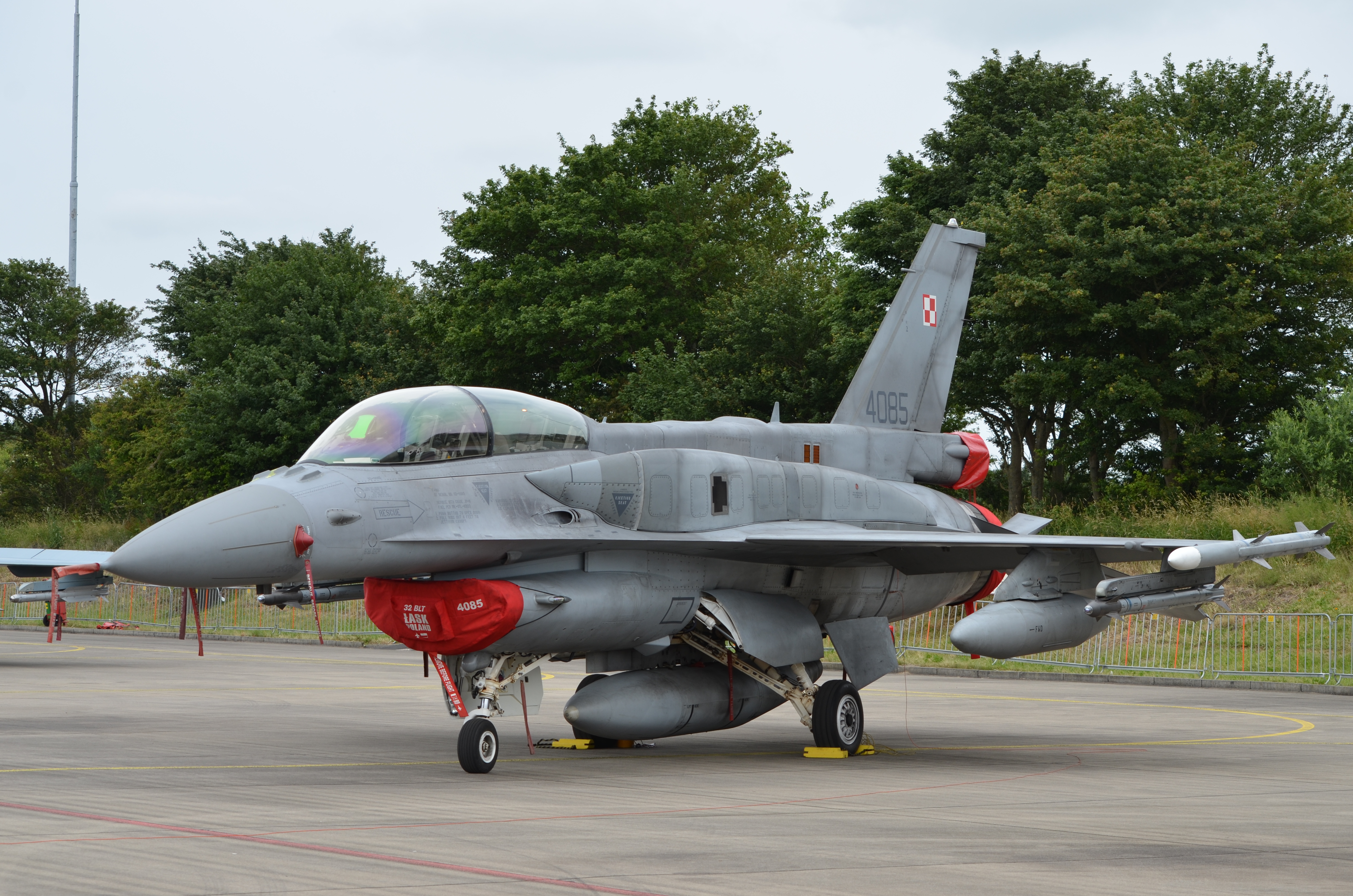
Ukraine’s F-16s are contributing to the country’s defense against jet-powered drones, but the pace of those flights is also reducing aircraft availability. President Volodymyr Zelenskyy said this month that nearly half of the Ukrainian fleet about 25 fighters was grounded for maintenance, exposing the limits of sustaining an older, relatively small force through frequent operations.

The immediate problem is not solved by aircraft alone. Ukraine is asking Western allies to move more maintenance work into the country, while its Foreign Ministry has acknowledged that some components for its older F-16s are no longer manufactured and are difficult to obtain. That combination makes repair capacity, parts inventories and supply-chain speed as important as the number of fighters formally delivered.
Frequent flights consume a limited fleet
Retired U.S. Air Force Lt. Gen. David A. Deptula described Ukraine as being “forced to use a relatively small fighter fleet day after day as a substitute for an adequately resourced, layered air defense system.” In his assessment, that approach is “consuming a finite resource faster than they should” and is not sustainable over the long term.
The pressure reflects more than fuel use or routine turnaround work. Every flight consumes service life and advances inspection and maintenance requirements across the aircraft, engine and supporting equipment. When many aircraft enter scheduled or corrective maintenance while capacity is limited, the operational fleet can shrink even if the total number of delivered airframes remains unchanged.
Ukraine’s Air Force spokesman, Col. Yurii Ihnat, said F-16s accounted for “a significant portion” of 1,900 jet-powered drones that Ukraine said it intercepted last month from 3,500 launched by Russia. Those figures are Ukrainian operational claims, but they illustrate the workload behind the maintenance concern: successful use can create its own availability penalty when a small fleet is repeatedly called upon.
Ukraine’s Foreign Ministry has disputed a Wall Street Journal account that more than half of the fleet was grounded. Spokesman Georgiy Tykhy rejected descriptions of readiness as catastrophically low, while still confirming the difficulty of sourcing discontinued components. Zelenskyy’s figure of about 25 aircraft nevertheless indicates a substantial gap between nominal fleet size and the number immediately available.
Parts and repair capacity require different fixes
The United States has awarded Belgium’s Sabena Aerospace Engineering a contract worth up to $235.5 million to support Ukrainian F-16s. The contract covers airframe and engine support, along with parts management, with work scheduled at Sabena’s Belgian facility through January 2029. That establishes deeper maintenance capacity, but its overseas location also explains Kyiv’s request to shift more work into Ukraine.
Moving maintenance closer to the aircraft could reduce the burden associated with sending jets or major assemblies abroad, but local capacity requires trained personnel, approved equipment, technical data and a dependable parts pipeline. A repair site cannot return an aircraft to service if a required legacy component is unavailable.
The United States has addressed part of that supply problem by providing retired, nonoperational F-16s for cannibalization. The aircraft were taken from storage at Davis-Monthan Air Force Base and lack critical equipment, meaning they are parts donors rather than flyable additions. This is a practical source for components that may no longer have an active production line, although donor airframes are inherently finite.
Belgium accelerates aircraft deliveries
Belgium now plans to deliver 10 F-16s by the end of 2026, Prime Minister Bart De Wever said after meeting Zelenskyy at the Oct. 15 European Union summit. That is an increase from the three aircraft Zelenskyy announced on Sept. 29. Belgium pledged 30 fighters in May 2024, with deliveries scheduled through 2028.
Those transfers had been delayed while Belgium waited to receive enough U.S.-made F-35s to replace its aging F-16s. The dependency shows how one country’s fleet transition affects another country’s available combat aircraft: Belgium must release its older jets without creating an unacceptable gap at home.
Ten additional fighters can expand Ukraine’s nominal fleet and distribute flying hours across more airframes. They do not, by themselves, manufacture discontinued parts or create additional technicians and repair bays. The $235.5 million support contract, retired donor aircraft, proposed in country maintenance and accelerated Belgian deliveries therefore address separate parts of the same constraint. Ukraine’s near-term F-16 availability will depend on whether that maintenance system can grow alongside the fleet rather than continue operating behind it.
| More aerospace and engineering stories, right in your MSN feed. Follow AMI on MSN |
By David Whitaker — Associate editor for AMI’s aerospace and drone systems desk, translating flight systems, aircraft programs, spaceflight, and UAV developments into accessible technical stories.