USS Abraham Lincoln’s Kitsap Move Will Relocate 5,000 Sailors and Families
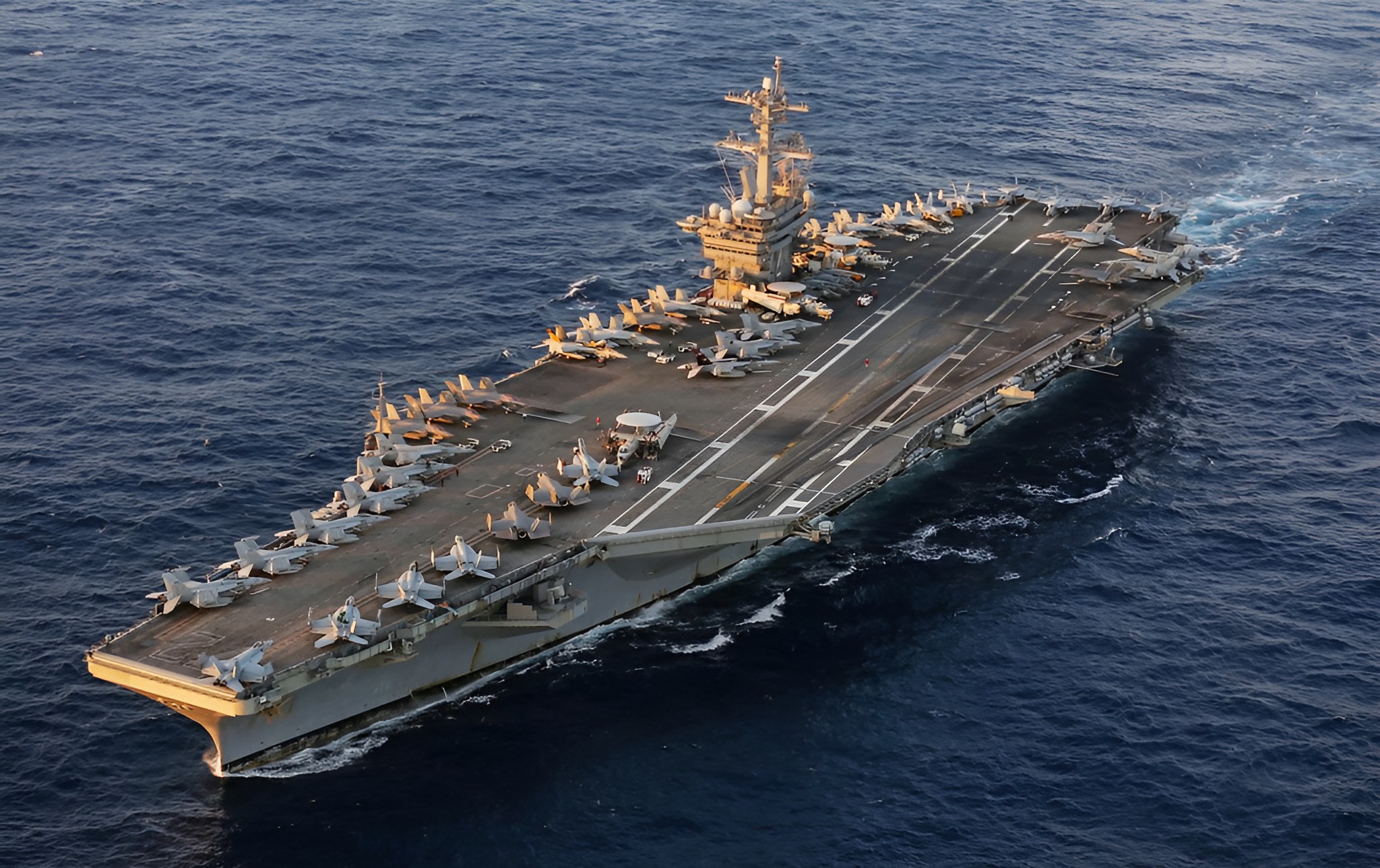
USS Abraham Lincoln will permanently move from San Diego to Naval Base Kitsap near Seattle by the end of 2026, requiring approximately 5,000 sailors and their families to relocate. The Navy announced the homeport change on Oct. 19, less than two weeks after the Nimitz-class aircraft carrier returned from a 322-day deployment.

The move will put Lincoln near the Puget Sound Naval Shipyard & Intermediate Maintenance Facility, where the Navy plans a “long-planned maintenance availability.” No start date, duration or detailed work package has been announced, leaving a firm relocation deadline ahead of a shipyard schedule that remains incomplete in public.
Before leaving Southern California, Lincoln is expected to remain at Naval Air Station North Island for crew leave, equipment offloads and family-moving preparations. For the carrier’s personnel, a homeport change means more than sailing the ship north. It initiates a permanent change of station involving housing, schools, household shipments and support services for a community roughly the size of a small town.
Shipyard access drives the next phase
Locating Lincoln at Kitsap links its homeport more closely to the industrial facility assigned to its coming maintenance period. Puget Sound is the only West Coast naval shipyard certified to perform nuclear-carrier refueling and overhaul work, and it has the dry-dock access needed to support ships of Lincoln’s class.
That capability is itself entering a costly modernization cycle. A planned $15 billion Puget Sound shipyard upgrade includes a new carrier-capable dry dock and associated waterfront infrastructure. Contractor selection is expected in 2027, while physical site work could begin as early as 2030. Lincoln’s near-term availability will therefore occur against a longer effort to expand and renew the yard’s capacity.
Carrier maintenance is an availability problem as much as a repair problem. A nuclear-powered aircraft carrier brings propulsion machinery, aviation facilities, electrical networks, crew spaces and extensive supporting systems into one large maintenance schedule. The shipyard must provide the dry dock, skilled workforce and sequencing needed to complete that work while the Navy manages the availability of other carriers.
Those industrial pressures extend beyond Puget Sound. The Navy’s long-range shipbuilding plan aims to increase the portion of shipbuilding work performed at distributed sites from roughly 10% to 50%, according to USNI News’ examination of the strategy. Distributed production does not substitute for a carrier-capable public shipyard, but it reflects the same underlying constraint: specialized facilities and workers determine how quickly large naval programs can move.
Kitsap’s carrier roster is turning over
Lincoln will enter a base already supporting USS Ronald Reagan. Its arrival also follows the departure of USS Nimitz, the Navy’s oldest active aircraft carrier. The Navy’s official history of Nimitz records that the carrier shifted from Kitsap to Norfolk in July 2026 in preparation for eventual deactivation and decommissioning.
Another transition is scheduled for 2029, when the future USS John F. Kennedy is due to change its homeport to Kitsap. The Ford-class carrier is completing East Coast testing and final work. Taken together, the changes move Kitsap from the Nimitz era toward a lineup involving Reagan, Lincoln and eventually Kennedy, while giving Lincoln direct access to its planned maintenance site.
The relocation follows an unusually demanding period for Lincoln’s crew. The carrier returned to San Diego on Oct. 8 after 322 days away, including 260 consecutive days without a port visit a span described as a Navy record. Some family members publicly raised concerns about the deployment’s length, food and lack of port calls. A letter from Acting Navy Secretary Hung Cao released by Sen. Kirsten Gillibrand said eight sailors assigned to the carrier strike group attempted suicide during the deployment; none died.
The immediate sequence is now clear: post-deployment leave and offloading in San Diego, a permanent move for thousands of Navy households by year-end, and then maintenance at Puget Sound. The date that connects the relocation to the carrier’s actual entry into the shipyard has yet to be announced.
| More aerospace and engineering stories, right in your MSN feed. Follow AMI on MSN |
By David Whitaker — Associate editor for AMI’s aerospace and drone systems desk, translating flight systems, aircraft programs, spaceflight, and UAV developments into accessible technical stories.