RTX Posts Record $340 Billion Backlog, but Missile Rebuild Takes at Least Five Years
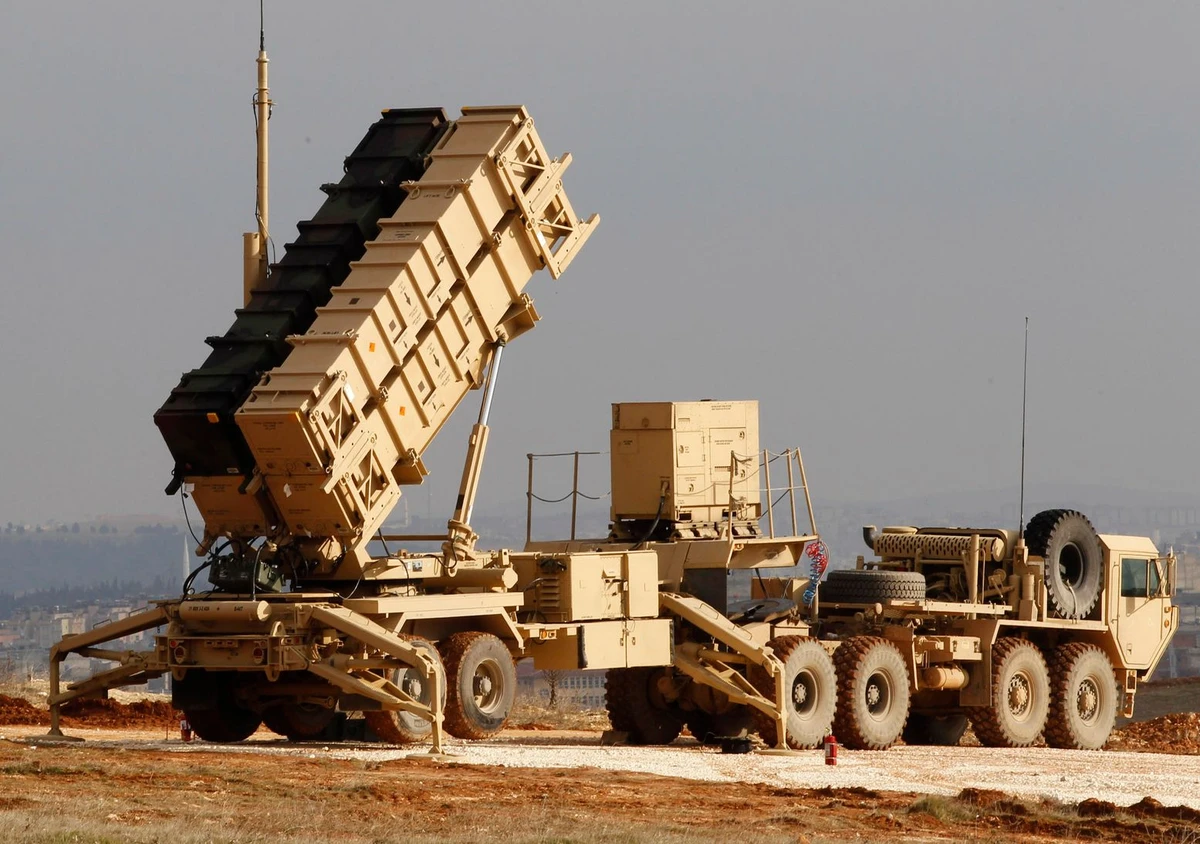
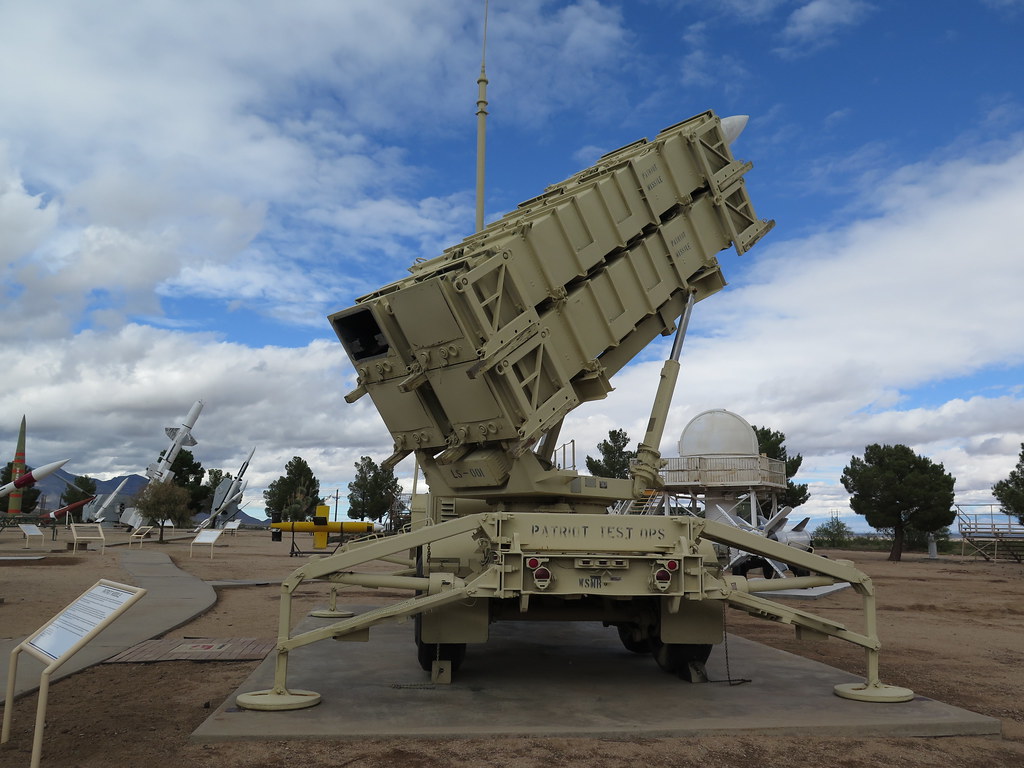
A record order book is not the same thing as a replenished arsenal. RTX reported a companywide backlog of $340 billion on Oct. 20, including $164 billion in defense work, while a congressional review of U.S. munitions and missile defense said replacing certain depleted interceptor inventories would probably take at least five years even at increased production rates.

The public-cost gap is equally large. The Congressional Budget Office estimated that replacing munitions expended in operations against Iran through Aug. 1 would cost $21.7 billion. Missile-defense interceptors represented $13.1 billion of that estimate, land-attack cruise missiles another $7.3 billion and other munitions $1.2 billion. The figure sits within an estimated $38 billion cost for the operations through the same date.
RTX’s third-quarter results show the industrial response gathering financial scale. The company secured more than $81 billion in new commercial aerospace and defense awards during the quarter. Nearly $59 billion consisted of defense bookings, with approximately $23 billion in Tomahawk contracts and more than $14 billion in orders for the Advanced Medium-Range Air to Air Missile, or AMRAAM.
Backlog measures commitments, not missiles on launchers
RTX’s $340 billion figure covers the entire company, including $176 billion in commercial aerospace orders. Neither RTX nor Northrop Grumman attributed its overall backlog to the Iran conflict. The number is useful as a measure of future contracted work, but it does not indicate how much equipment has been built, accepted and made available to military units.
Northrop’s record $109.6 billion backlog illustrates another important boundary. About $50.1 billion was funded, while approximately $59.5 billion was unfunded. A program can therefore appear in a contractor’s order book before all the money needed to execute it has been appropriated or obligated. That funding status affects how quickly suppliers can confidently hire workers, order long-lead materials and expand facilities.
Contract ceilings create a similar risk of misreading. RTX announced agreements worth up to $24.4 billion for SM-6 interceptors on Oct. 1 and up to $6.3 billion for SM-3 interceptors on Oct. 8. Lockheed Martin received a contract worth up to $35 billion in June to expand production of interceptors for the Terminal High Altitude Area Defense system. Those amounts establish the potential scale of procurement; they do not mean the full values have already become completed weapons.
Small components govern the production rate
Missile output cannot be raised simply by adding final-assembly shifts. RTX executives identified rocket motors, castings and circuit boards as production constraints. Each is part of a specialized supply chain that must expand alongside the prime contractor. New facilities, tooling and suppliers also require qualification before their hardware can enter a missile produced to controlled military specifications.
That constraint explains why ambitious annual production goals should be read as destinations rather than current output. RTX’s Pentagon agreements target eventual rates exceeding 1,000 Tomahawks, at least 1,900 AMRAAMs and more than 500 SM-6 missiles per year. Reaching those levels depends on component output and manufacturing capacity advancing together.
The backlog nonetheless gives manufacturers something valuable: visibility. Multiyear demand can support investments that would be difficult to justify under small, intermittent annual orders. It can also give lower-tier suppliers a firmer basis for adding equipment and workers. The tradeoff is that taxpayers are financing both replacement weapons and the industrial expansion needed to produce them faster.
Replenishment competes with other customers
Production increases also have more than one claimant. The United States must balance domestic inventory replacement against orders from allies and partners. RTX, for example, booked approximately $4.7 billion in Patriot interceptor orders for Ukraine and Poland during the second quarter. Finite production capacity means delivery priorities can affect both U.S. replenishment and foreign customers, with delays potentially complicating allied planning.
Congress has not yet completed the funding picture. A House budget resolution could support up to $60 billion in mandatory defense funding beginning in fiscal 2027, potentially including munitions, but it did not specify a munitions allocation. The Senate had not considered the measure when the congressional review was published. A separate administration request included $21 billion for munitions, while the Defense Department provided CBO with a higher $27.7 billion replacement estimate.
RTX and Northrop now have record order books, and production targets are moving upward. The limiting schedule, however, runs through appropriations, facilities, qualified suppliers and component deliveries before it reaches a completed missile. On the current official estimate, that chain will need at least five years to rebuild certain interceptor inventories.
| More aerospace and engineering stories, right in your MSN feed. Follow AMI on MSN |
By David Whitaker — Associate editor for AMI’s aerospace and drone systems desk, translating flight systems, aircraft programs, spaceflight, and UAV developments into accessible technical stories.